



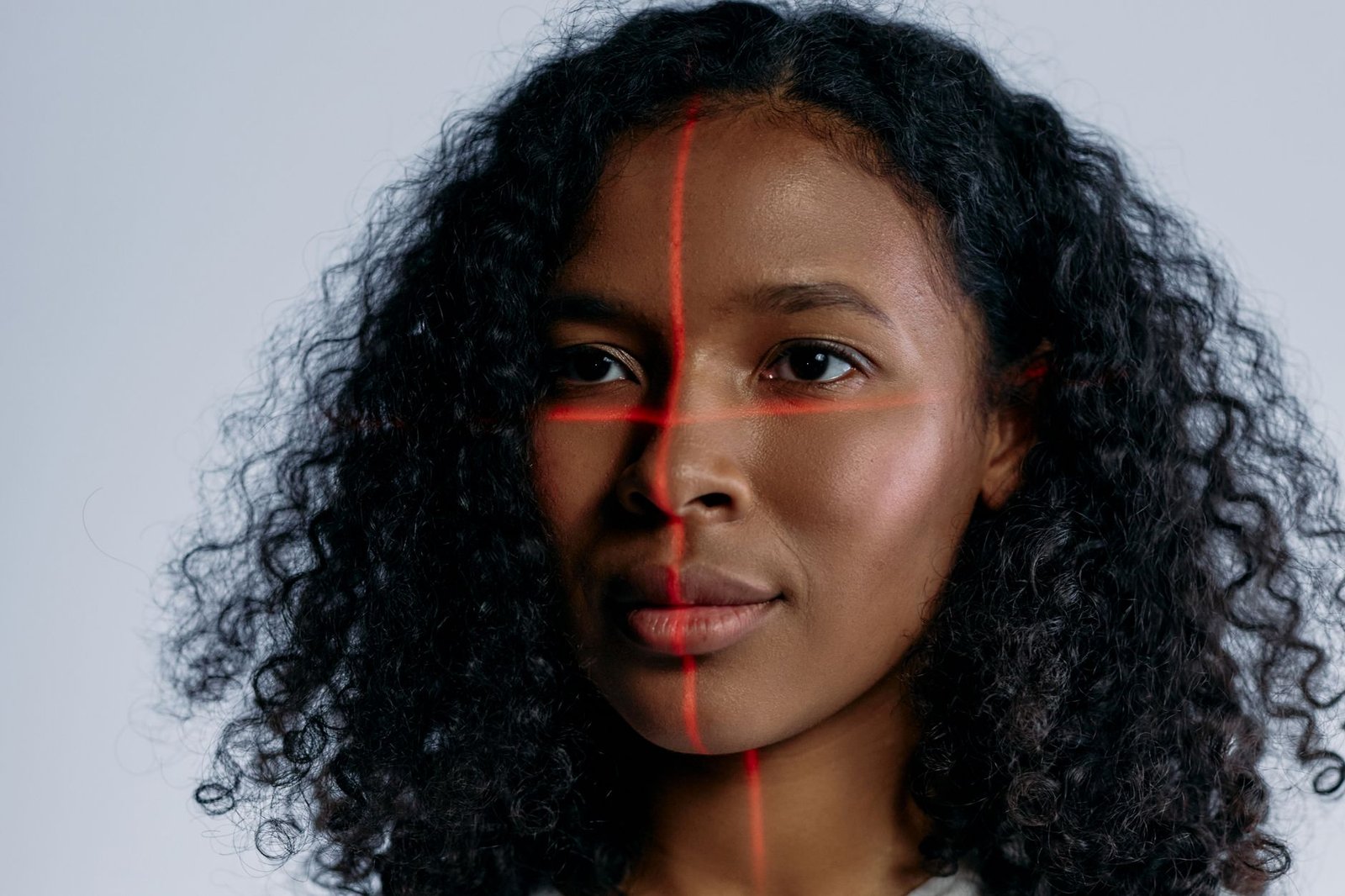
Have you ever been locked out of your Google account and wished there was a simpler way to get back in? Imagine bypassing passwords entirely and using your face to unlock your digital world. Now, that vision is becoming a reality.

Key Takeaways
- Google now allows account access recovery using facial recognition.
- Only specific account types are eligible for selfie sign-in.
- Setup requires pre-authorization and a video recording of your face.
- Privacy and data security are prioritized through encryption measures.
- This feature showcases growing trends in biometrics and AI-driven security.
Why Google is Moving Towards Face-Based Security
In our ever-digital world, securing online accounts is of paramount importance. Traditional methods, like passwords and two-factor authentication, occasionally fall short due to human error or advanced hacking techniques. **Enter facial recognition**—a cutting-edge, AI-driven solution aiming to enhance security and user convenience. By turning your unique facial features into digital keys, Google is moving one step closer to a password-less future.
How the New Selfie Sign-In Works
To leverage this feature, you must first **set it up ahead of time**. It’s not as simple as snapping a quick selfie. The process involves recording a short video that allows Google to capture a detailed map of your facial features. This video acts like a unique access card, stored under strict encryption protocols to prevent unauthorized usage.
However, **not all Google accounts can use this feature**. It’s currently unavailable for Workspace users, child accounts, and those under the stringent security regulations of Google’s Advanced Protection Program. This deliberate limitation helps Google manage security risks while gradually introducing this innovative method to the wider public.
Making Sense of Technical Jargon
The concept of facial recognition might sound complex, but it’s essentially an **AI-based identification process**. When you use face login, a computer program analyzes the structure of your face, comparing it with stored data to verify your identity. Think of it like a highly advanced lock that only responds to a very specific key—your face. This ensures both swift access and robust security.
A Practical Example of Facial Recognition in Action
To illustrate, consider how **airport security** systems have evolved over the years. Instead of relying solely on boarding passes and IDs, many airports now use facial recognition to verify passengers. This not only speeds up the check-in process but also significantly lowers the risk of fraudulent entry. Similarly, Google’s new facial sign-in aims to streamline account access, minimizing both inconvenience and security breaches.
Ensuring Privacy in a Tech-Savvy World
In embracing these advancements, Google places a strong emphasis on **privacy and data protection**. The recorded video of your face is under robust encryption, meaning unauthorized parties can’t access it without your consent. Moreover, Google assures users that this biometric data will not be used beyond account recovery unless you explicitly choose to opt in for other services. This commitment to transparency and control underscores the importance of trust between tech giants and their users.
The Future of Biometrics and AI in Security
As AI continues to grow and integrate into everyday life, the implications for security are profound. Google’s foray into facial recognition as a means of authentication highlights a broader trend toward biometric solutions—where **biological traits** rather than physical devices verify identity. As technology evolves, we can anticipate even more sophisticated methods that blend convenience with unparalleled security.
Looking forward, the potential for AI and biometrics to redefine how we secure digital identities seems limitless. What’s clear is that we’re at the threshold of a new era where AI is not merely an addition but a fundamental component of our security infrastructure.
