



Imagine a world where deploying complex software applications happens at the blink of an eye, in harmony with the pace of AI-driven innovation. This isn’t science fiction; it’s Railway’s ambitious reality. The San Francisco-based cloud platform, thriving without traditional marketing, is setting new standards with agile, AI-driven cloud infrastructure.

- Railway raised a substantial $100 million in new funding to tackle legacy cloud providers like AWS.
- Its platform offers record deployment speeds, making it compatible with ultra-fast AI coding agents.
- The company distinguishes itself by building its own data centers, allowing deeper control over infrastructure.
- Railway’s agile business model and pricing undercut larger cloud provider costs significantly.
- This move signals a pivotal shift in how software will be managed in the era of AI.
The Rise of Railway: A Cloud Challenger
Despite going unnoticed by traditional marketing standards, Railway’s journey is as remarkable as its recent $100 million funding round, backed by leaders like TQ Ventures and FPV Ventures. This funding positions Railway as a crucial player in the AI-driven disruption of the cloud computing landscape.
Disruption in Deployment
**Railway** identifies a critical issue in today’s software deployment: **speed**. Traditional cloud platforms like AWS or Google Cloud, while powerful, aren’t designed for the instantaneous nature required by AI code generators like ChatGPT. In contrast, Railway’s innovative framework guarantees sub-second deployments, keeping pace with modern AI demands. This is a vital shift because older systems take minutes, leading to unnecessary bottlenecks that hinder productivity.
Consider a race car: in a Formula 1 race, every second shaved off during a pit stop could determine the winner. Similarly, Railway’s ability to deploy applications swiftly is crucial for gaining a competitive edge in software development.
The Bold Move: Building From the Ground Up
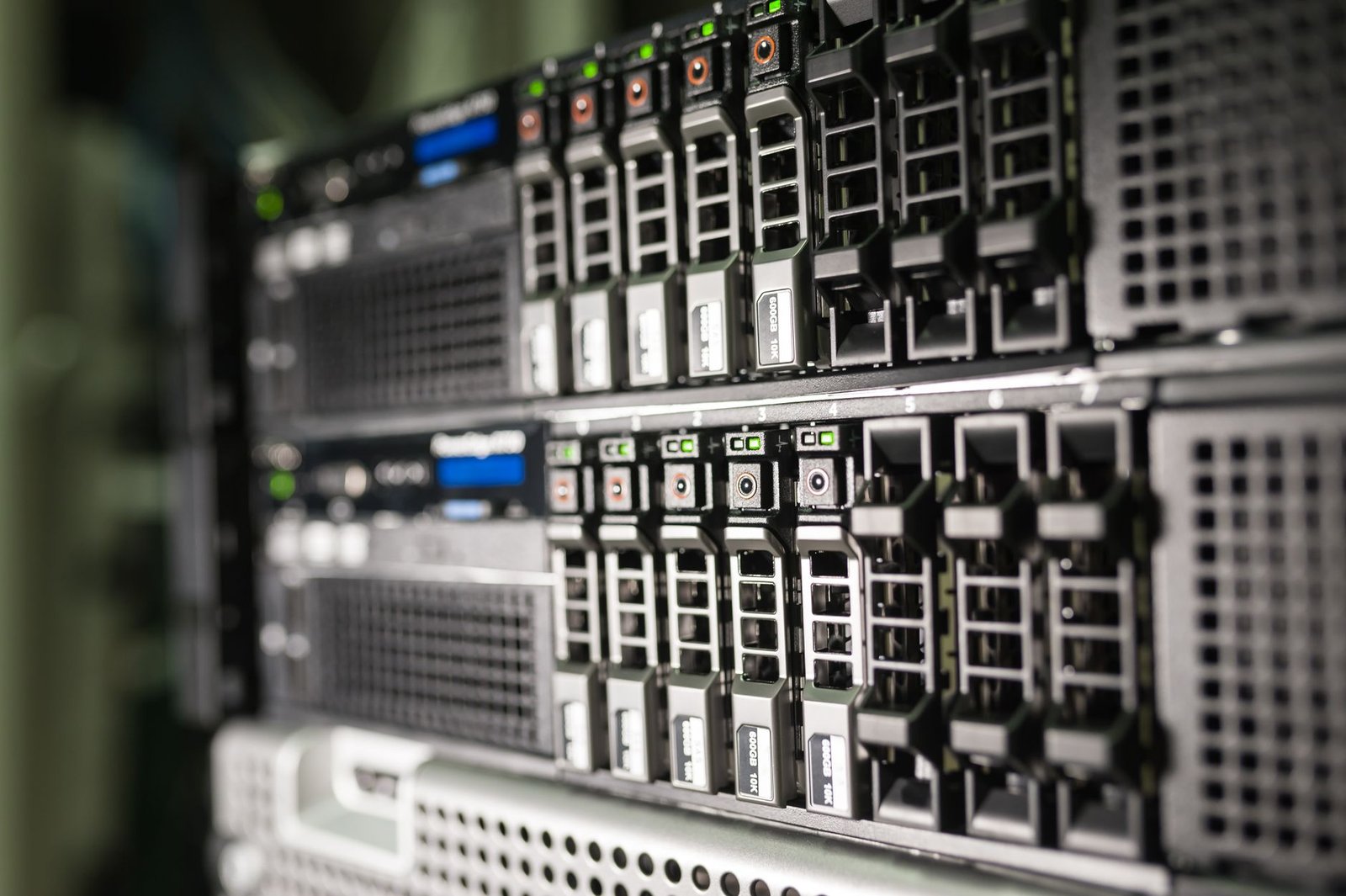
In a daring move, **Railway** parted ways with conventional cloud systems to construct its own data centers. This strategic decision grants it complete authority over critical resources like **network, compute, and storage**, distinguishing it from competitors like Render and Fly.io. The benefit? It’s akin to owning an entire factory rather than just renting a production line, providing unparalleled control, cost-efficiency, and resilience against large-scale cloud disruptions.
Dominating the Cloud Space
Despite a modest team size—just 30 employees—Railway competes fiercely against giants such as AWS and emerging cloud startups. The company boasts a decade of industry acknowledgement, producing **tens of millions in revenue annually** and achieving notable growth without a dedicated sales force. Most of its user base, which includes **31% of Fortune 500 companies**, came from organic, word-of-mouth promotion in the developer community.
Key clients like **Kernel** benefited significantly from Railway’s model. The company’s CTO, Rafael Garcia, highlights a stark reduction in infrastructure headaches and costs compared to past experiences with AWS. For organizations looking to scale dynamically and efficiently, Railway presents an appealing, streamlined alternative.
Shaping the Future of Software Deployment
Investors keenly observe this AI-led overhaul, anticipating a surge in software creation necessitated by AI’s growing role in development. Railway’s funding will support its global data center expansion, finally initiating a comprehensive marketing strategy. According to **Jake Cooper**, Railway’s visionary CEO, the company’s goal is to seize this opportunity for industry-wide transformation.
The future of AI-driven infrastructure is promising. With Railway’s pioneering approach, we stand on the brink of an age where developing and deploying software becomes as routine as sending an email. As tech evolves, the seamless integration of AI and cloud computing may well redefine the boundaries of what’s possible.
