



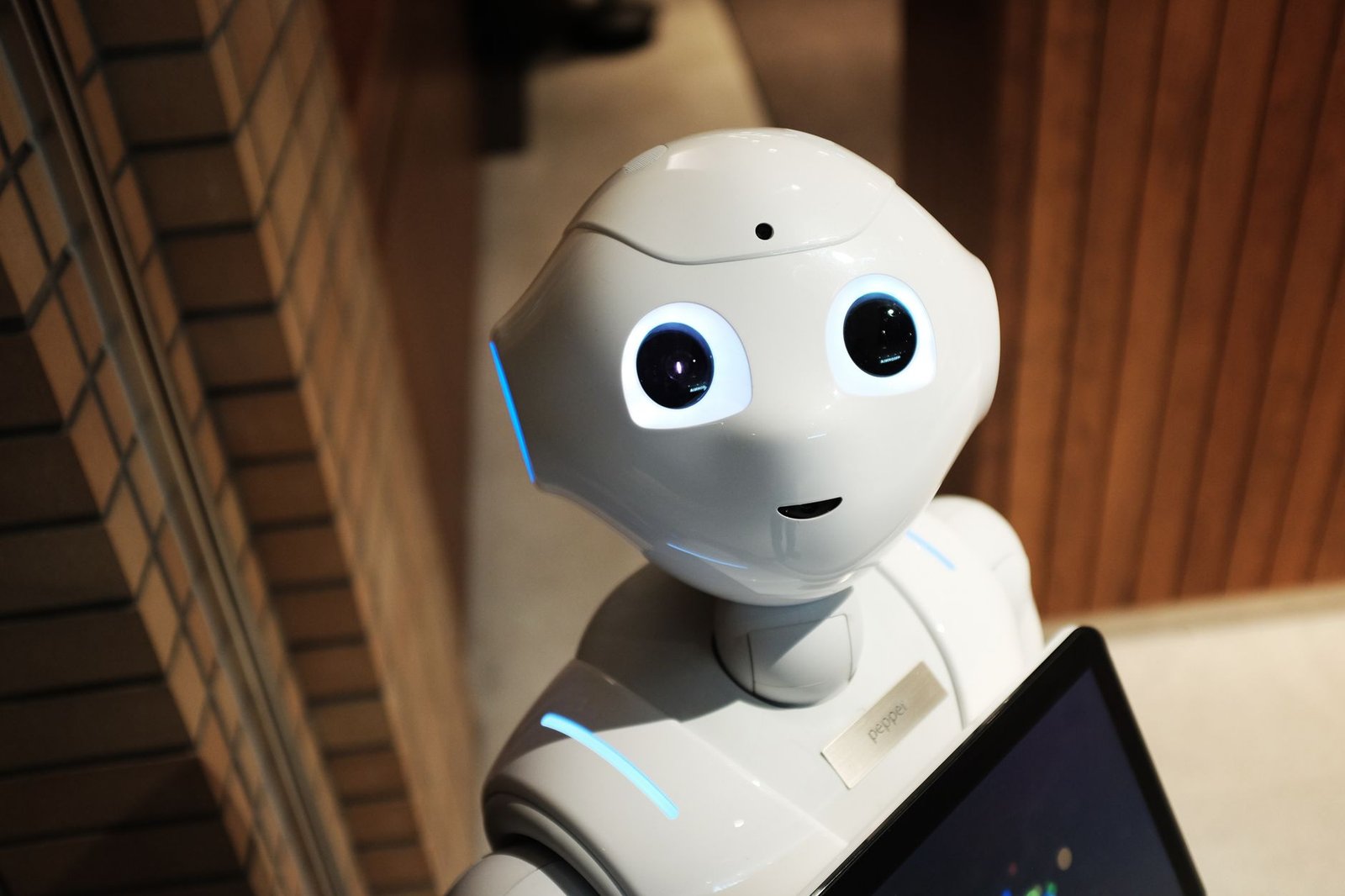
Imagine a future where every task on your to-do list is efficiently managed by a personal AI assistant. According to Mark Zuckerberg, this future is just around the corner, with billions of people expected to have personalized AI agents in just five years.

- Zuckerberg envisions a world where AI agents become as ubiquitous as smartphones.
- Meta is heavily investing in AI infrastructure to realize this vision.
- Personal AI agents could revolutionize industries like customer service, healthcare, and education.
- Understanding AI’s capabilities is essential for adapting to this shift.
The Vision Behind AI Agents
Mark Zuckerberg’s ambitious prediction hinges on the belief that AI agents will soon be as integral to our lives as smartphones. **AI agents** are digital programs that can perform tasks and make decisions based on their user’s preferences and needs, being continuously refined by their developers and data scientists. With **Meta**—Zuckerberg’s company—pouring billions into building robust AI infrastructure, the goal is to create an ecosystem where AI seamlessly integrates into daily life.
How AI Agents Work
To grasp Zuckerberg’s vision, it’s crucial to understand the mechanics behind AI agents. At their core, these agents use **machine learning**—a type of artificial intelligence that enables systems to learn and improve from experience without being explicitly programmed. These AI systems analyze data patterns and refine their operations to perform tasks ranging from scheduling meetings to providing shopping recommendations.
Consider the analogy of a personalized shopping assistant: Initially, the assistant might simply suggest products based on general trends. Over time, it learns from your feedback and choices, refining its recommendations to cater specifically to your tastes and preferences, much like an AI agent learning your habits to enhance its performance.
The Investment in AI Infrastructure
Zuckerberg’s commitment to this AI-driven future is evident in Meta’s extensive investments. The company is constructing massive data centers and developing advanced algorithms designed to handle the vast computational needs these AI agents demand. This commitment underscores the belief that the future of digital interaction will heavily rely on **automated agents.**
The Potential for Industry Disruption
Personal AI agents have the potential to revolutionize entire industries. In **customer service**, for instance, AI agents could handle routine inquiries, allowing human representatives to tackle more complex issues. The **healthcare** sector could see enhanced patient interactions and data management. Meanwhile, in **education**, AI could provide personalized learning experiences, adapting study materials to fit each student’s needs and pace.
The Road to Adaptation
While these developments sound promising, transitioning to an AI-driven world requires understanding and adaptation. For the general public, this means becoming more familiar with how AI operates and the potential benefits it can offer. As AI becomes more prevalent, the skill to interact effectively with these systems will become invaluable.
The Future of AI Agents
Looking ahead, the proliferation of personal AI agents represents a significant shift in how we interact with technology. With companies like Meta leading the charge, the next few years may see these agents becoming as indispensable as our smartphones. As these technologies evolve, the role they play in our everyday lives will likely expand, offering opportunities for innovation across various sectors.
Embracing AI’s potential opens doors to new efficiencies and possibilities, ensuring a future where technology not only serves but enhances human experience. As we edge closer to this reality, understanding and leveraging AI’s capabilities will be key to unlocking its full potential in our daily lives.
