


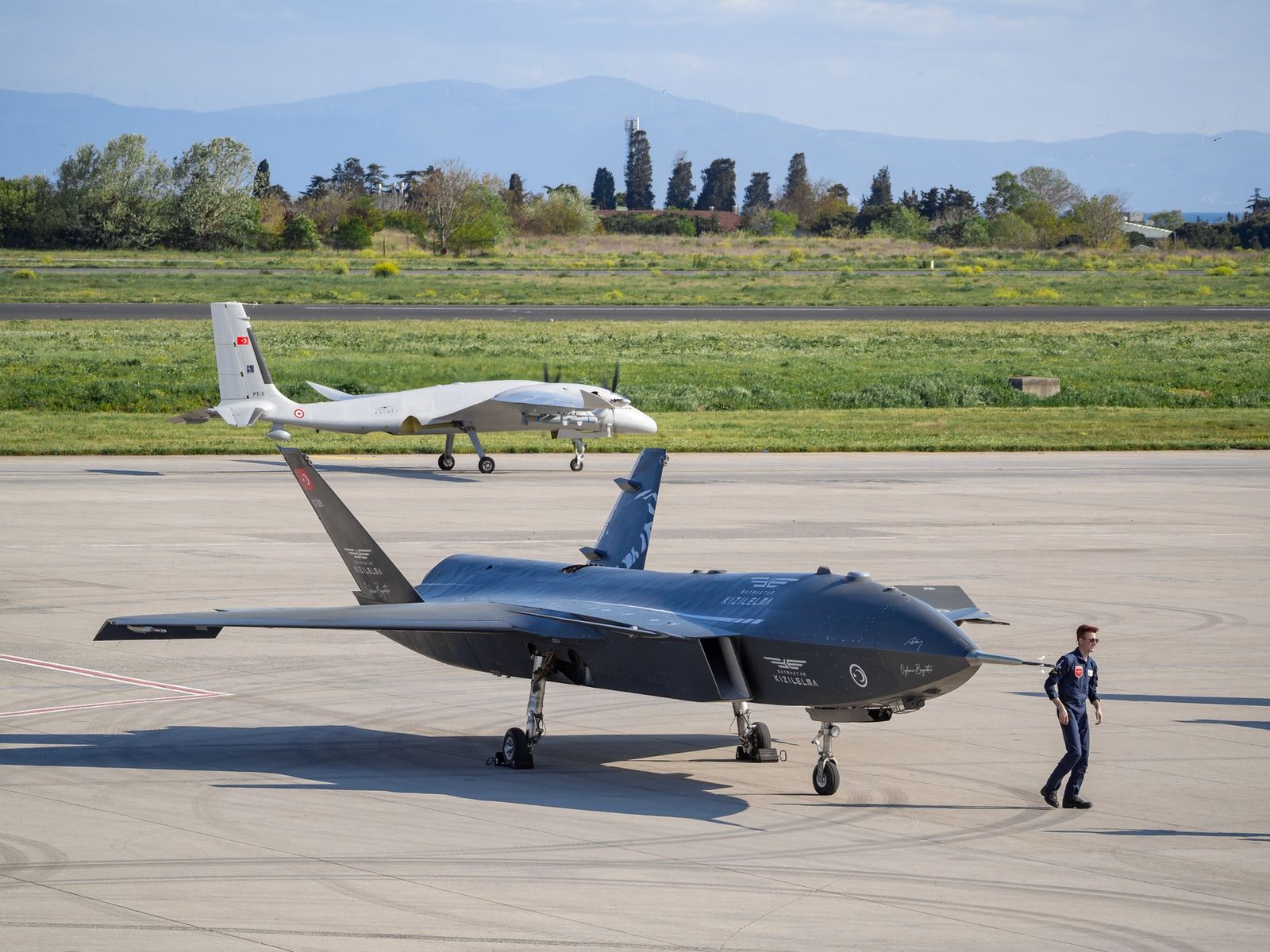
The battlefield of modern warfare is evolving, with **drones** playing an increasingly crucial role. Imagine drones that not only fly but can independently track and target adversaries. In Ukraine, this high-tech vision is becoming a reality as low-cost kamikaze drones are outfitted with cutting-edge **AI systems** that transform them into autonomous target-hunters.
Key Takeaways
- Ukrainian military uses AI-enhanced drones to target Russian forces.
- The drones, known as **Shrikes**, leverage autonomy to track and strike targets without continuous human input.
- 50,000 AI-equipped Shrikes are planned for delivery soon, amplifying Ukraine’s strategic capabilities.
- Auterion’s Skynode S technology empowers drones to switch to an autonomous mode.
The Rise of AI-Enhanced Drones
In conflict zones, technology can dictate who gains the upper hand. For Ukraine, the deployment of $400 **Shrike drones**, developed by local company SkyFall, marks a game-changer. These drones carry explosives and are now being upgraded with an AI system from the US firm Auterion. This innovation allows them to autonomously locate and pursue moving targets, fundamentally shifting how aerial warfare can be conducted.
How Do These Drones Work?
**AI** in this context means machines mimicking intelligent human behavior. Here, it enables drones to execute complex tasks without direct human oversight. Human operators navigate the Shrikes into combat areas using **first-person view (FPV)** technology, which involves a camera on the drone sending live video to goggles worn by the operator. Once a target—up to half a mile away—is identified, the operator can activate the drone’s **fire-and-forget** mode, allowing autonomous pursuit and engagement.
The Technology Behind the Autonomy
Auterion’s **Skynode S** kits are the magic behind this autonomy. These kits equip drones with capabilities that require minimal human intervention after initial target designation. Imagine a smart vacuum cleaner: initially, you set it on its path, and then it navigates your home, dodging obstacles and returning to charge when needed. Similarly, once the Shrike drone is directed, it independently follows and strikes its target.
Strategic Implications for the Future
With plans to supply 50,000 of these AI-equipped drones, the potential strategic advantage for Ukraine is significant. Their ability to deploy at scale and with minimal operator input makes them a formidable tool, capable of disrupting traditional military tactics. This development underscores the trend of leveraging AI to enhance the efficacy and precision of military operations.
Real-World Analogies
Consider a regular chess game versus a chess match against an AI opponent. While both games follow the same rules, the AI opponent can predict moves far ahead, adapting strategies with minimal input. Similarly, these drones, when equipped with AI, can adapt to evolving battlefield conditions with heightened awareness and efficiency.
The Future of AI in Warfare
Looking forward, the integration of AI in military hardware like the Shrike drones signifies a broader transformation in defense technology. The adoption of AI not only enhances the capabilities of individual drones but also sets a precedent for future autonomous systems in combat scenarios. This shift might redefine engagement rules and strategies, steering global military policies towards new norms. As AI continues to evolve, its role in warfare will likely expand, raising questions about ethics, control, and the very nature of conflict.
