



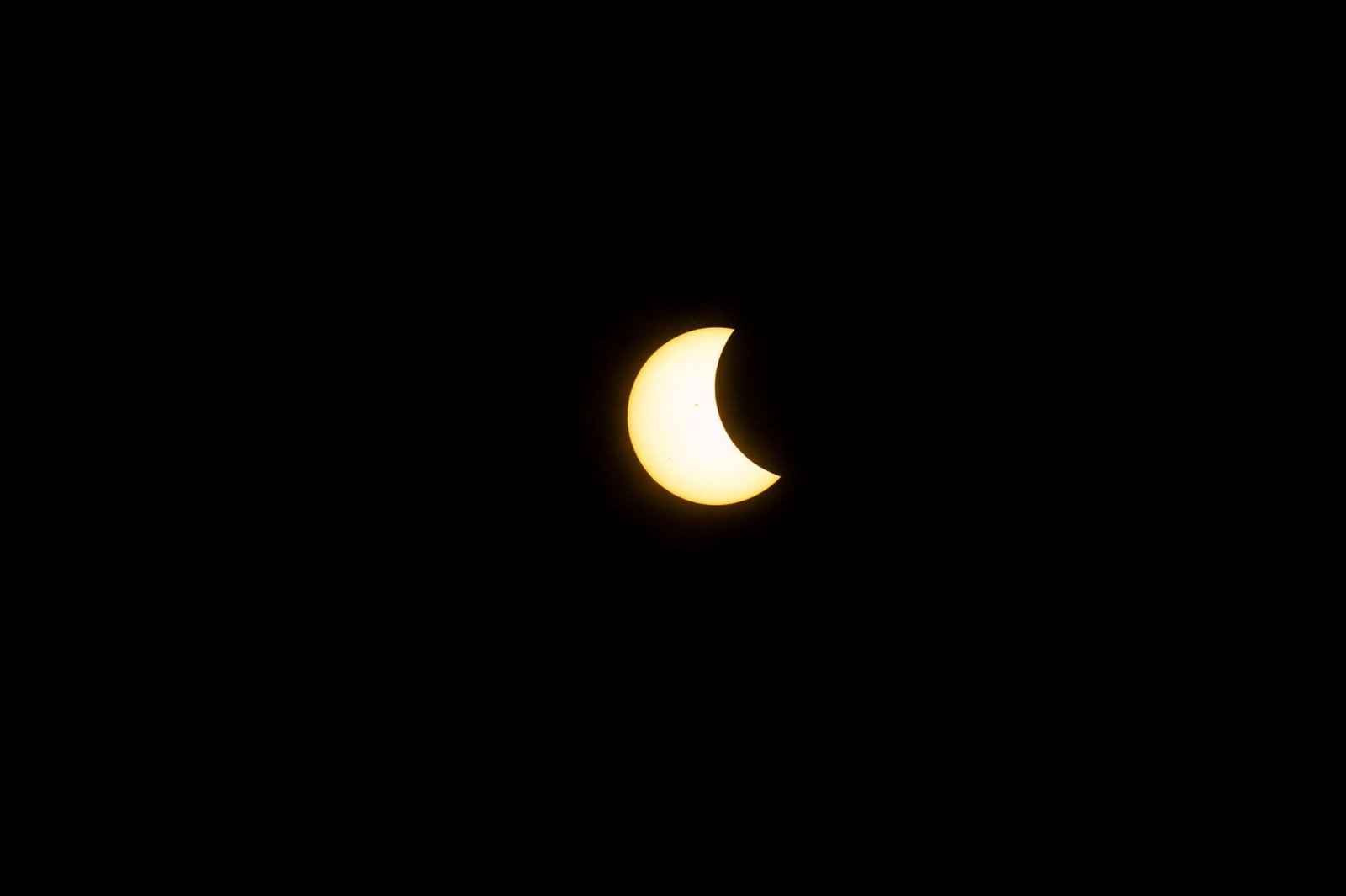
Imagine looking up at the sky and witnessing a celestial dance where the sun and moon play hide and seek. This August, the sky will host two spectacular eclipses: a solar and a lunar one. Each offers a unique opportunity to connect with the cosmic marvels, and understanding these phenomena can be as mesmerizing as watching them.
- Learn what makes solar and lunar eclipses unique and special.
- Discover when and where each eclipse will be visible.
- Understand the science behind these cosmic events in simple terms.
- Get tips on safely viewing a solar eclipse.
- Understand what these eclipses mean for future astronomical events.
Understanding Solar and Lunar Eclipses
**Solar and lunar eclipses** are events that bring Earth’s natural satellite and our closest star into a fascinating alignment. But what exactly happens during each type of eclipse?
The Magic of a Solar Eclipse
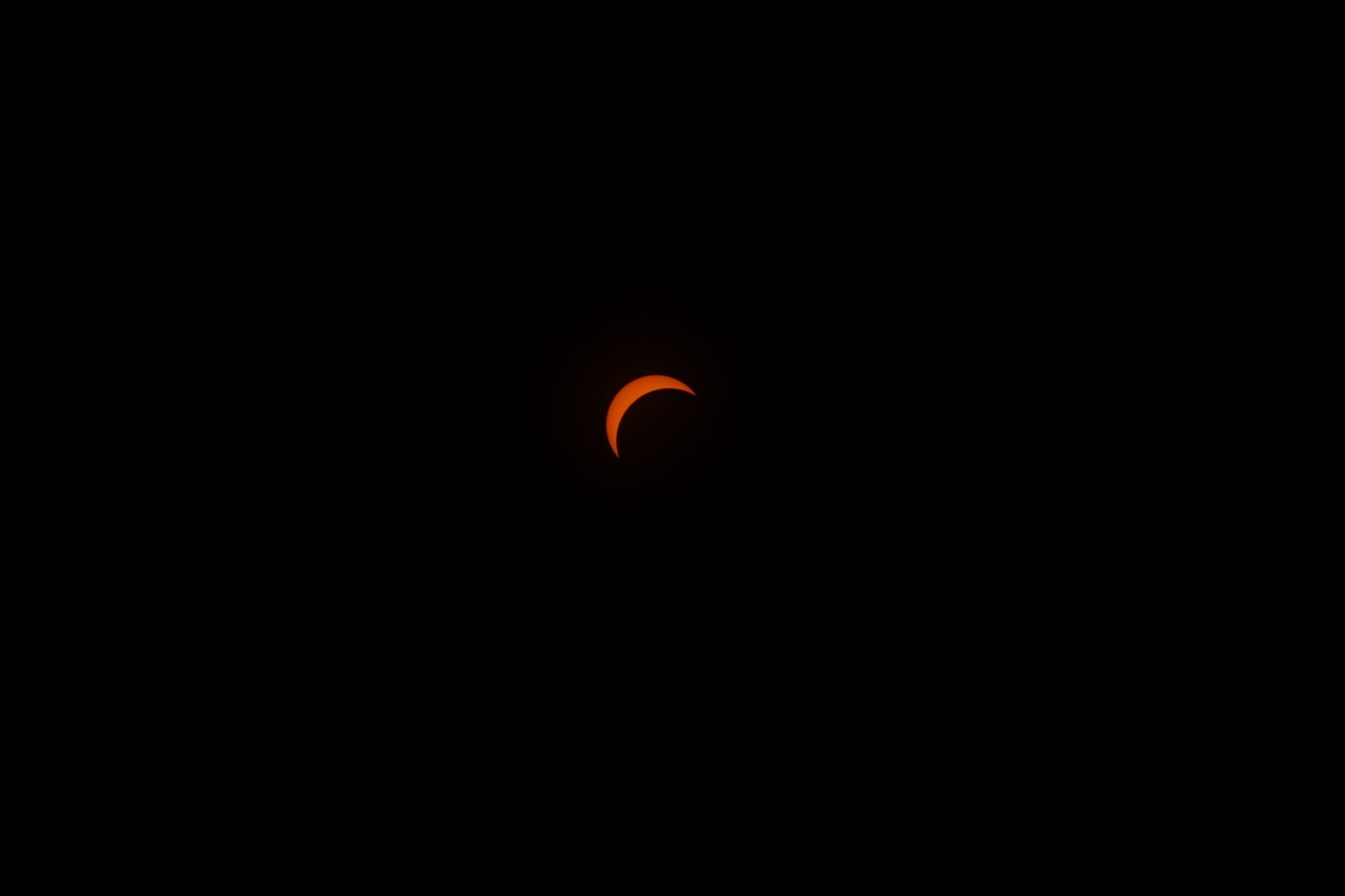
A solar eclipse occurs when the **Moon moves between the Earth and the Sun**, casting a shadow over the Earth. This can only happen during the new moon phase when the sunlit side of the Moon faces away from Earth. When perfectly aligned, the Moon can completely obscure the Sun’s face, resulting in a total solar eclipse, a breathtaking spectacle that turns daytime into twilight.
Imagine it like holding a small beach ball (the Moon) in front of a giant spotlight (the Sun). If positioned just right, the ball can cast a shadow that covers the light, creating brief moments of day darkness. It’s a cosmic coincidence that the Moon is 400 times smaller than the Sun but also 400 times closer to Earth, allowing them to appear almost the same size from our perspective.
The Serene Lunar Eclipse
In contrast, a lunar eclipse occurs when **the Earth passes between the Sun and the Moon**. Here, the Earth casts its shadow on the Moon. This can only happen during a full moon when the Sun, Earth, and Moon are closely aligned. During a total lunar eclipse, the Moon often takes on a reddish color, earning it the nickname “blood moon.” This color comes from Earth’s atmosphere bending sunlight around it, filtering out blue light and scattering red light onto the Moon’s surface.
When and Where to Witness the Eclipses
In August 2026, these celestial events will be accessible to millions as long as weather and geographic location cooperates. Many parts of the world will experience at least a partial view of each eclipse.
**Solar Eclipse Visibility**
The solar eclipse on August 12 will be visible across parts of North America and northeastern Asia. Those within the path of totality, a narrow corridor where total darkness occurs, will experience the full grandeur of this astronomical wonder.
**Lunar Eclipse Viewing**
On August 28, the lunar eclipse will gracing skies over regions including most of the Americas, Western Europe, and Africa. Being a more global event, it’s easier for more enthusiasts to enjoy this celestial show.
Safe Viewing Techniques
When watching a solar eclipse, it’s crucial to protect your eyes. Direct exposure to the sun can lead to severe eye damage. **Eclipse glasses** or special solar viewers are necessary. Unlike a lunar eclipse, which is safe to observe with the naked eye, the sun’s rays require careful protection. Think of solar viewing like wearing sunscreen for your eyes: it shields you from harm while you enjoy the view.
The Future of Eclipses and Space Exploration
Eclipses have long captivated human imagination, offering more than just a brilliant sky show. They provide scientists rich data about our solar system and Earth’s atmosphere. As technology advances, future eclipses will likely be used in **astronomical research** and simulations, possibly aiding in space navigation systems and further exploring the cosmos.
In essence, eclipses are a bridge to understanding the greater universe, signaling the perpetual dance we are all part of. These celestial events encourage us to look beyond our earthly confines and imagine what lies beyond. With future explorations in mind, these August eclipses may be yet another step in humankind’s ever-curious quest to uncover the mysteries of the cosmos.
