



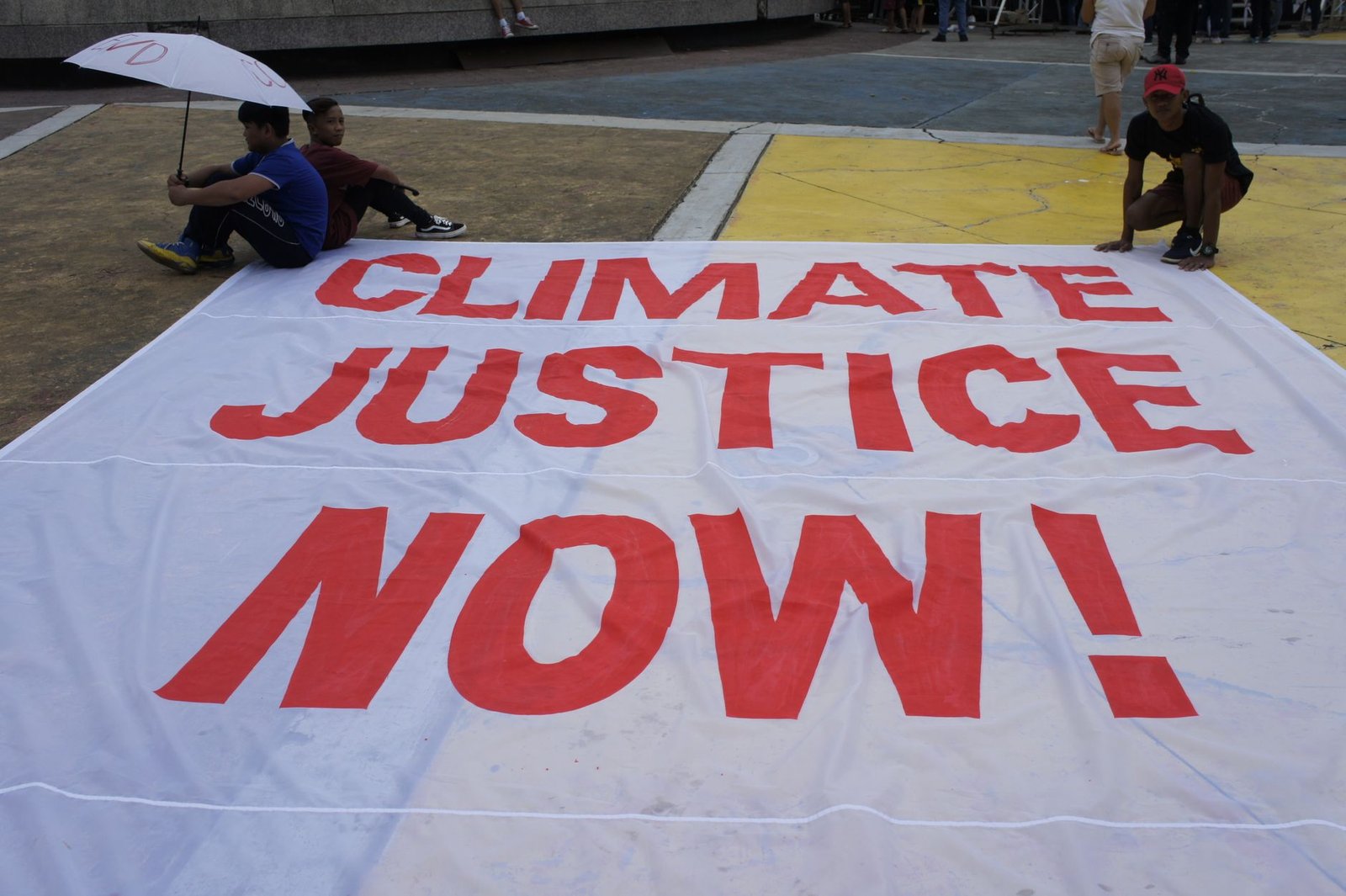
Imagine a world where anyone could take action against **environmental harm**, ensuring our planet stays protected for future generations. Over the last few decades, empowering citizens to guard the environment has become a pivotal tool in environmental law. These citizen-driven efforts, known as **citizen suits**, allow ordinary people to step in when government agencies fall short, making a significant impact on pollution control and environmental preservation.
Key Takeaways
- Citizen suits enable individuals and organizations to sue companies or government bodies not complying with environmental laws.
- These legal actions have been instrumental in shaping environmental regulations and halting harmful practices.
- Over 2,000 cases since the 1970s highlight their role in environmental enforcement.
- Citizen suits have helped protect endangered species and reduce unlawful emissions.
- The future of environmental enforcement may be influenced by political decisions regarding these legal provisions.
The Origin and Importance of Citizen Suits
When major environmental laws like the **Clean Air Act** and **Clean Water Act** were passed, Congress recognized that relying solely on governmental bodies might not suffice for effectively enforcing these laws. To supplement official oversight, they included **citizen suit provisions**. These legal instruments empower individuals and organizations to sue entities they believe are **breaking environmental laws**.
The power of these provisions lies in their democratizing force. Citizen suits offer a way for people outside of legislative and executive branches to hold polluters accountable, bridging gaps in government action. This system creates a dynamic where citizens become watchdogs, representing public interests when official channels might be inadequate.
Unpacking the Mechanism
At its core, a citizen suit is a legal action initiated by non-governmental entities. These suits can target not only corporations suspected of violating environmental regulations but also government agencies that fail to enforce existing laws. By opening the legal system to public participation, these provisions ensure continuous pressure on polluters and regulatory bodies alike.
An analogy to simplify: Imagine you’re in a community with a **neighborhood watch program**. Typically, police would patrol to ensure safety, but the watch program allows residents to report suspicious activity and even take preliminary action if necessary. Similarly, citizen suits enable citizens to step in and safeguard the environment when regulatory agencies may not act swiftly or decisively.
Real-World Impact of Citizen Suits
Since their inception in the 1970s, citizen suits have been used in over 2,000 cases. They’ve been crucial in addressing a variety of environmental issues. For instance, these legal actions have stopped the construction of dams threatening endangered species and curtailed the injection of hazardous wastewater into essential groundwater resources.
One noteworthy case led to a US$14.2 million civil penalty against a petrochemical facility for illegal emissions, a clear indication of the potency and necessity of citizen enforcement in environmental law. By holding violators accountable, these suits not only punish offenders but also deter potential violators.
The Future and Potential Challenges
As political landscapes evolve, the role of citizen suits could be subject to significant changes. While these lawsuits have been pivotal in shaping modern **environmental legislation**, their future use may fluctuate with changing political priorities and regulatory philosophies. The discussion around limiting citizen suits could impact environmental enforcement strategies, reshaping how laws protect our planet.
Looking ahead, the framework for citizen participation in law enforcement could become even more critical as AI and other technologies evolve. Innovations like **AI-powered environmental monitoring** may offer new tools for detecting violations, potentially transforming how citizen suits are initiated and argued in court. Embracing these technologies could strengthen citizen-driven environmental protection, ensuring more precise and impactful legal actions.
In conclusion, citizen suits are a powerful testament to the role of public engagement in law. They not only hold polluters accountable but also ensure governmental agencies fulfill their duties. As we forge into the future, the integration of innovative technologies with traditional legal frameworks offers exciting avenues for continued advocacy and environmental stewardship.
