



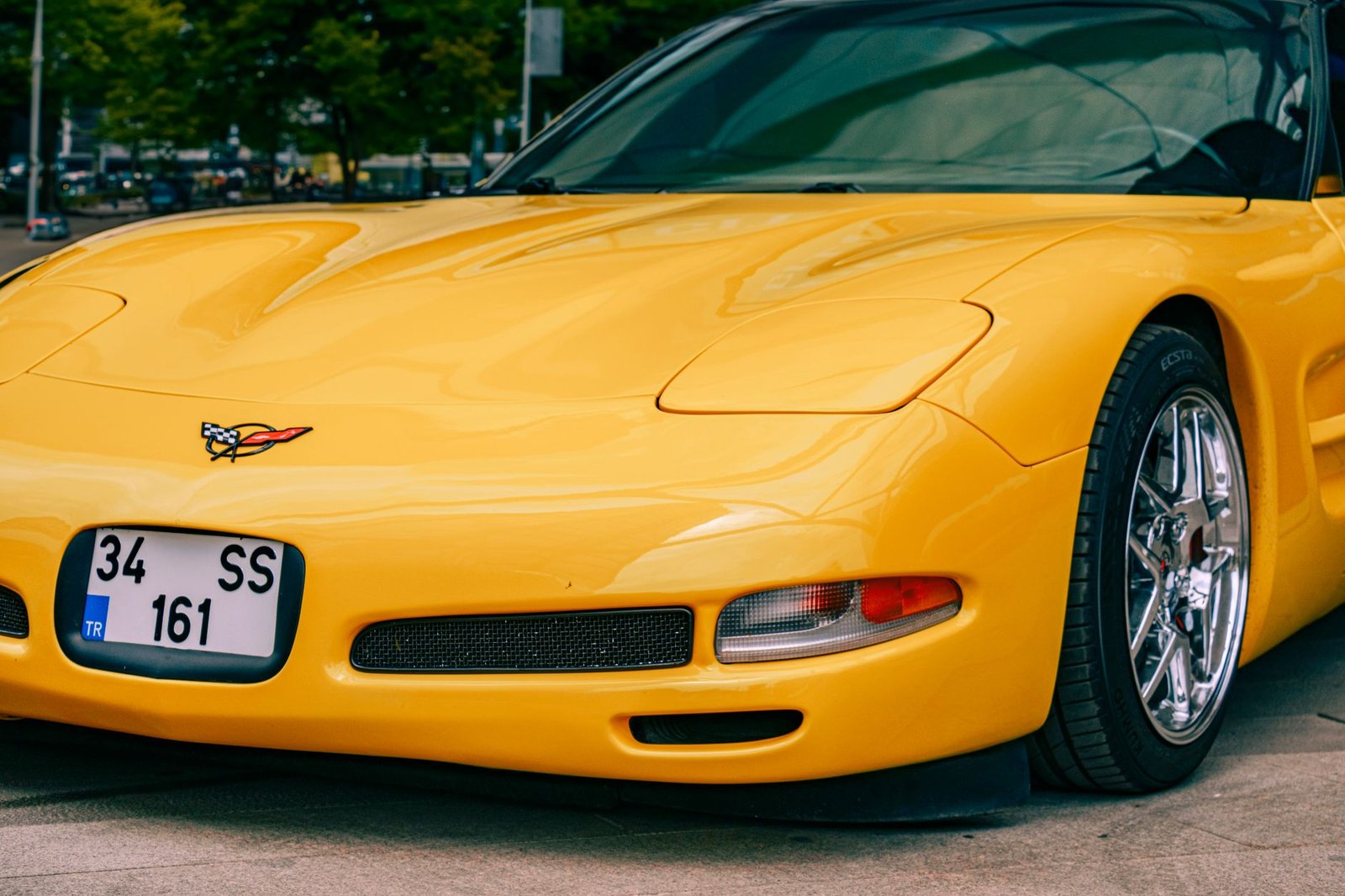
In 2027, the Chevrolet Corvette Grand Sport X made waves, showcasing that software innovation can rival hardware prowess in transforming iconic performance vehicles. This evolution not only cements software’s crucial role in automotive development but paints an exciting future for AI-driven advancements in the automotive industry.

Key Takeaways
- The hybrid system from 2023’s E-Ray lives on in the Grand Sport X, refined by sophisticated software enhancements.
- Chevrolet uses innovative drive modes and an all-new engine to elevate the driving experience.
- Software tweaks enable more dynamic and thrilling performance, showing tech’s role beyond physical design.
- Understanding AI’s impact on cars is vital for both enthusiasts and professionals in the field.
The Journey from E-Ray to Grand Sport X
In 2023, the introduction of a hybrid system into the Corvette line with the E-Ray left many enthusiasts curious and skeptical. Positioned between the high-octane ZR1 and ZR1X, the E-Ray seemed to navigate undefined territory. Was it a nod to environmental concerns or a harbinger of a more sedate Stingray? Yet, the E-Ray faced an early retirement, leaving its underlying technology to be reinvented in the form of the Grand Sport X.
Chevrolet’s new model, a departure yet rooted in the E-Ray’s legacy, introduces subtle yet impactful software refinements. These changes, including several drive modes—settings that alter the car’s behavior to suit different driving conditions—along with a novel engine, invigorate the Corvette’s performance pedigree.
Decoding the Software-Driven Transformation
Keith Badgley, the lead development engineer behind the E-Ray, Grand Sport X, and ZR1X, reflects on the pivotal role of software in this transformation. “There were some customers who didn’t necessarily understand the car,” he explained, speaking to the initial misinterpretations of the E-Ray’s capabilities.
Indeed, the Grand Sport X isn’t just about hardware upgrades—it’s a testament to the power of code. The refinements in software make the car’s acceleration sharper, improve handling dynamics, and accentuate driver engagement. Think of it like upgrading your smartphone’s operating system to unlock new features and enhance performance without changing the device itself.
AI’s Role in Enhancing Driving Experiences
This evolution in the Corvette line exemplifies how Artificial Intelligence (AI) and software algorithms can significantly revamp automotive experiences. By seamlessly integrating with the vehicle’s control systems, AI can optimize how different components interact, subtly shifting behaviors for improved efficiency and enhanced thrills. Consider the analogy of an orchestra: software functions as the conductor, synchronizing each instrument for a harmonious and impactful performance.
Such advancements showcase a future where AI’s potential is woven into the fabric of automotive engineering, constantly redefining what’s possible. This is not about simply adding electric components; it’s about a holistic transformation that leverages digital intelligence.
Looking Ahead: A Future of Possibilities
As we look to the future, cars like the Grand Sport X mark the beginning of a profound shift in how vehicles are developed and experienced. The blend of hardware and innovative AI-driven software heralds an era of smarter, more adaptable vehicles. These cars will not only react to their environments but also anticipate the needs and desires of their drivers.
For AI enthusiasts and automotive professionals alike, the potential here is both far-reaching and exciting. As AI continues to enable deeper personalization and performance optimization, the road ahead is set to be as thrilling as the cars themselves. The Grand Sport X is just one chapter in an evolving story that promises to reshape our understanding of what cars can achieve.
