



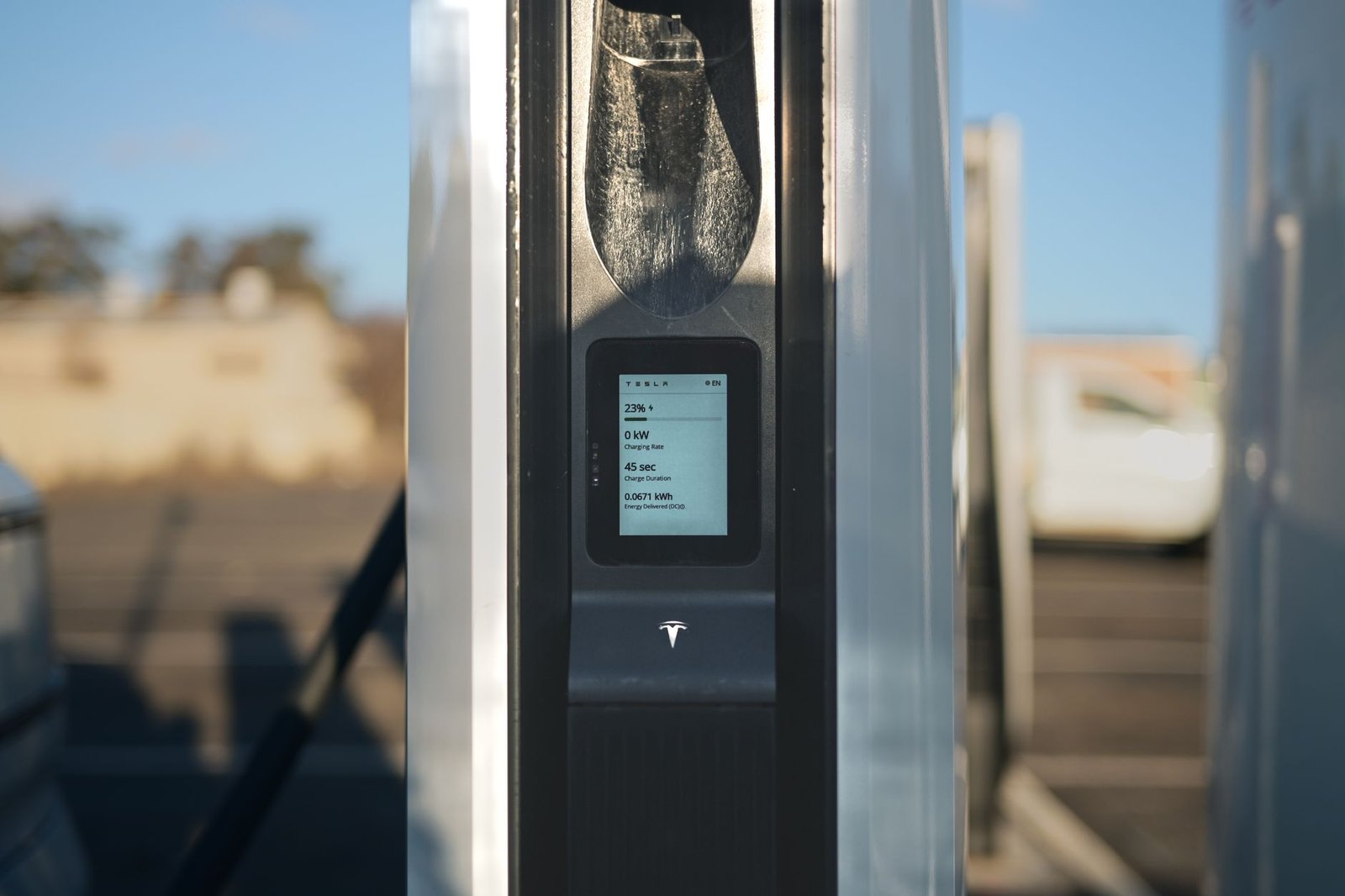
Imagine cruising down the highway, your electric vehicle seamlessly navigating from one ultra-fast charger to another, providing power in minutes instead of hours. This futuristic vision is becoming a reality as EVgo embarks on a groundbreaking journey to integrate **Tesla Supercharger technology** into its network, setting a new standard for electric vehicle (EV) charging accessibility.
Key Takeaways
- EVgo will incorporate Tesla’s Supercharger technology in its charging network.
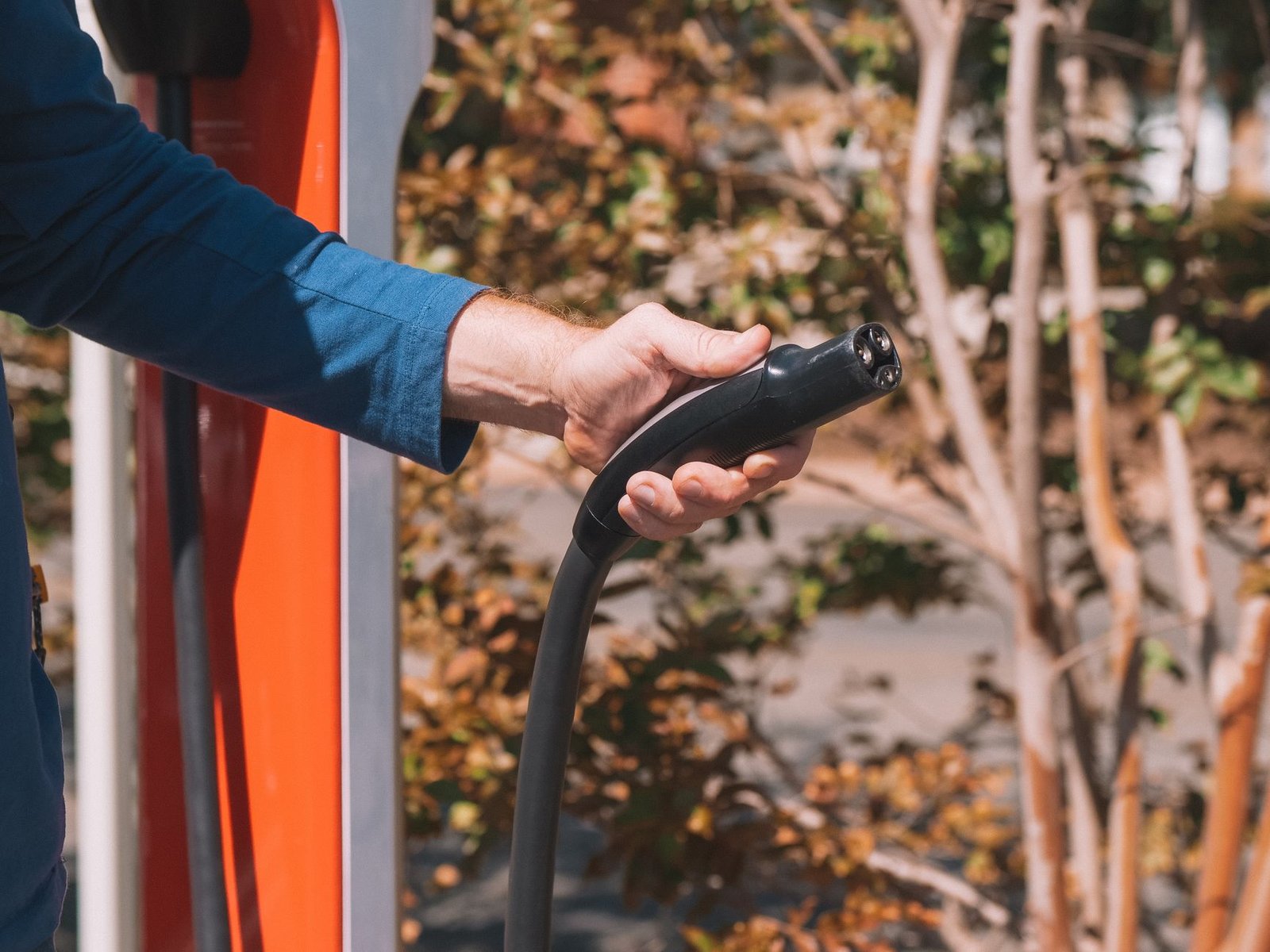
- These Superchargers will support both NACS and CCS1 charging standards.
- EVgo’s units will appear in Tesla’s navigation and route planning tools.
- The integration heralds a new era of collaborative EV charging infrastructure.
- This move could significantly enhance the public EV charging experience in the US.
The Evolution of Tesla’s Charging Network
Historically, Tesla’s **Supercharger network** acted like an exclusive club—a premium service meticulously aligned with the automaker’s vehicles, ensuring a fast and efficient charging experience for Tesla owners. Non-Tesla EV owners, on the other hand, faced a fragmented charging landscape, dependent on countless other networks that varied in performance and reliability.
Opening the Gates: A Turning Point
The year 2023 marked a pivotal moment. Tesla began opening its Supercharger network to other electric vehicles, starting a ripple effect across the industry. Ford was among the first to embrace this change. As a result, the dominant non-Tesla connector, known as **CCS1**, saw its reign challenged by the rising acceptance of Tesla’s **NACS standard** (North American Charging Standard).
EVgo’s Bold Step into the Supercharger Arena
Taking a significant leap forward, EVgo is now set to become a key player in the future of EV charging by setting up Tesla Superchargers under license. This isn’t merely about adopting another company’s technology; it represents a strategic fusion of resources and capabilities.
Technical Mastery Unleashed
At the heart of this integration are DC fast chargers capable of delivering up to 500 kW of power, operating at up to 1,000 volts. This powerful infrastructure supports both the traditionally Tesla-only NACS connectors and the versatile CCS1 plugs, enabling widespread compatibility across different vehicle brands. For EV drivers, this means quicker charge times and greater freedom to choose where to recharge, regardless of their car’s make.
The Strategic Role of EVgo
EVgo’s adaptation of Tesla’s technology isn’t just about hardware. Their role encompasses a broader spectrum of responsibilities—from engaging site hosts and managing utility connections to overseeing pricing strategies at these new Supercharger locations. This active management ensures a reliable and user-friendly experience, reinforcing their commitment to advancing the EV landscape.
Seamless Integration with Tesla’s Ecosystem
Once these chargers are operational, they will integrate seamlessly into Tesla’s in-car navigation and route planning systems. Imagine the convenience: a Tesla driver planning a long route can spot EVgo Superchargers on their in-dash map, stopping at any of these chargers with the same ease and functionality as they would a Tesla-owned station. This is synonymous with a globally recognized coffee chain allowing franchise stores that you can find and access just as easily as its own outlets.
Looking Ahead: The Broader Impact on AI and EVs
As EVgo and Tesla forge this innovative partnership, we anticipate significant ripple effects across the EV charging ecosystem. The integration symbolizes a trend towards greater collaboration, potentially leading to new standards where infrastructure is adaptable, efficient, and universally accessible. This initiative exemplifies how blending technological and strategic efforts can accelerate the adoption of electric mobility.
In the longer term, the implications for **artificial intelligence (AI)** could be profound. As charging systems become smarter, the potential for AI-driven optimizations—such as dynamic pricing models, real-time network management, and predictive maintenance—will only grow. This early collaboration lays the groundwork for a future where AI enhances everything from routine travel to grid management, ultimately shaping a more connected and environmentally responsible world.
