



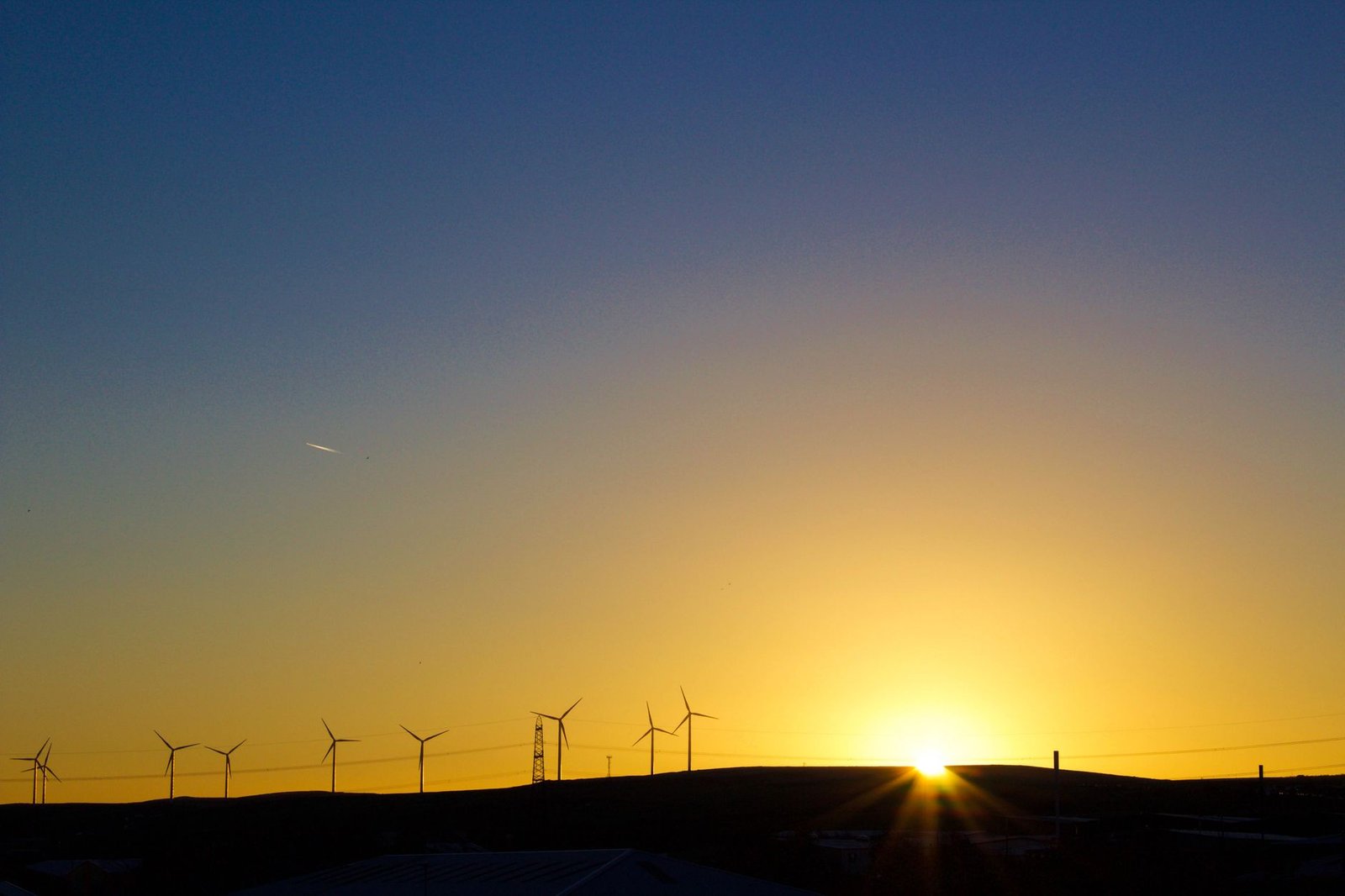
The landscape of the US power sector has been nothing short of electrifying in the past half-year. As sustainable energy continues its rapid ascendance, the dawn of cutting-edge projects is reshaping how America powers its future. But what exactly went live this year, and what does it mean for enthusiasts and experts alike?
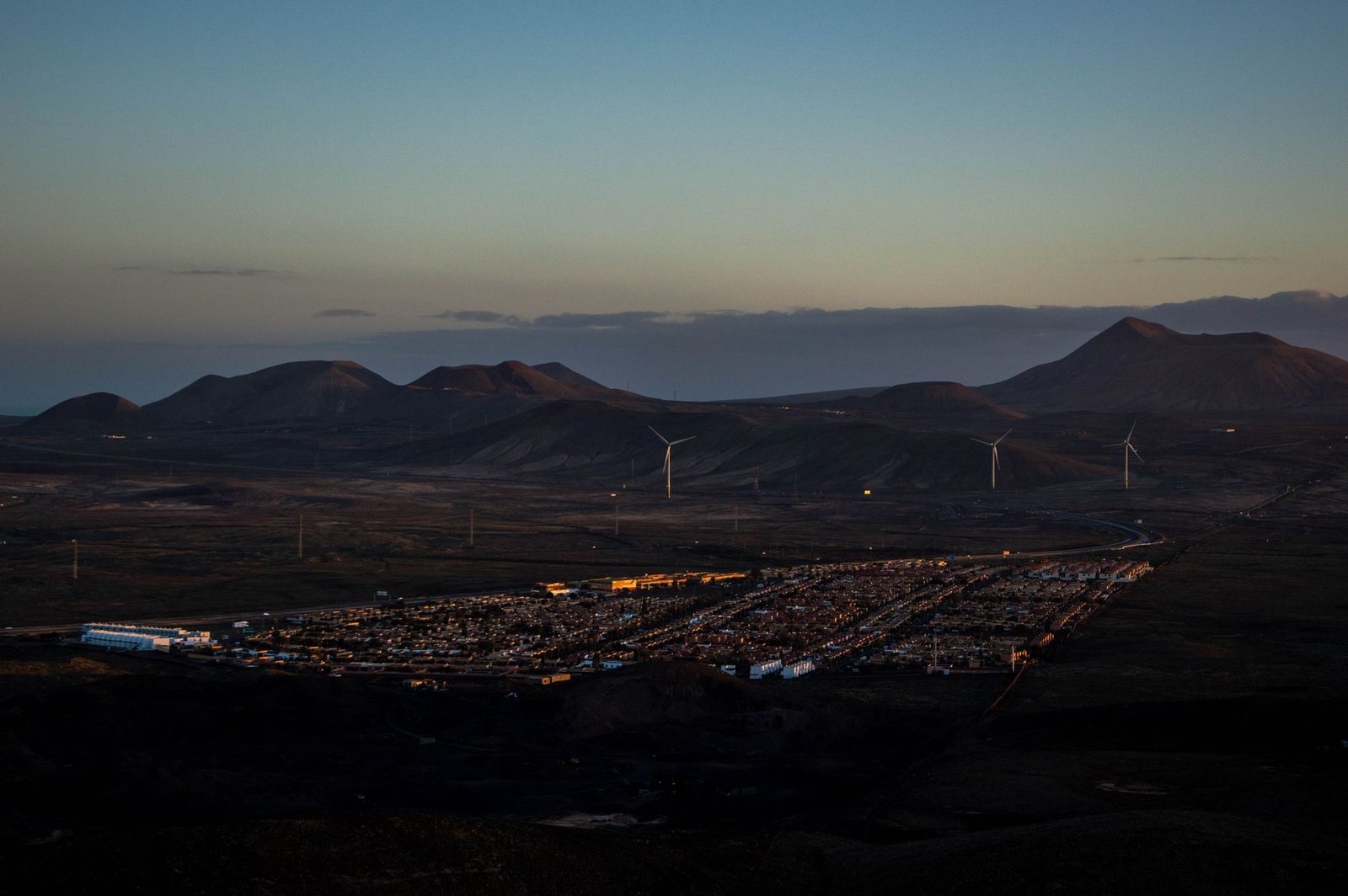
Key Takeaways
- The US power sector is witnessing significant growth in renewable energy projects.
- Utility-scale solar and wind are at the forefront of this transformation.
- SunZia Wind Farms are currently leading with a staggering capacity of 3,650 MW.
- Regulatory and public opinion challenges continue to influence project progress.
The Surge of Utility-Scale Projects
The nation’s energy roadmap for 2023 has been marked by the launch of 368 new utility-scale plants by mid-year, a tremendous achievement according to the U.S. Energy Information Administration. At the forefront is **utility-scale solar**, representing the development of solar energy systems large enough to provide power to the grid or a significant number of users. These systems are distinguished from smaller, consumer-based solutions by their ability to produce vast quantities of power.
The Winds of Change: SunZia
Among the projects making headlines is the **SunZia Wind Farm** in New Mexico. Broken into two vast fields, SunZia Wind South and SunZia Wind North have collectively emerged as the largest wind farms in the country, boasting a staggering 3,650 megawatts of generating capacity. To put that in perspective, this is enough energy to power hundreds of thousands of homes annually.
The road to realizing SunZia was far from straightforward. Spanning nearly a decade, its creation involved navigating a labyrinth of regulatory challenges and shifts in public opinion. Despite these hurdles, it stands today as a testament to perseverance and a beacon for future projects.
A Deep Dive into Renewable Energy Dynamics
The surge in renewable projects isn’t just about cleaner energy; it’s also about meeting the rising demand for sustainable practices. As many are aware, renewable energy sources like solar and wind utilize natural phenomena—sunlight and wind—to generate electricity, unlike traditional sources that rely on finite resources such as coal or natural gas. This shift is crucial in reducing carbon emissions and mitigating climate change impacts.
The Analogy of the Solar Tree
To visualize this, consider the analogy of a tree. Just as trees capture sunlight to grow and sustain life, solar panels absorb solar energy, converting it into electrical power. In both cases, the energy is renewable and continually replenished by nature.
Regulations and Market Influencers
As promising as these developments are, they underscore the complexity of advancing renewable energy. Regulations play a significant role in shaping the trajectory of these projects, from authorization and land use policies to grid integration standards. Additionally, public sentiment can act as both a catalyst and a constraint. Engaging with communities and addressing their concerns demonstrates the fine balance required to achieve large-scale acceptance and success.
The Road Ahead for AI in Energy
As these projects come to fruition, they pave the way for further innovation, including the potential integration of artificial intelligence in optimizing grid management and enhancing energy efficiency. AI can anticipate maintenance needs, adjust supply based on real-time demand, and potentially drive autonomous energy solutions. The rise of renewables offers a fertile ground for these technologies to blossom, promising a future where smart grids and AI-powered management become the norm.
The transformation of America’s power sector stands as a dynamic example of how technological progress intertwined with informed legislative action can lead us toward a more sustainable future. As the world continues to pivot toward renewable energies, the role of AI will be integral and undeniable in personalizing and optimizing our energy use, heralding a new era of intelligent and eco-friendly living.
