



The landscape of power generation in the United States is undergoing a significant transformation. As we move through the year, the spotlight is on the staggering number of utility-scale solar projects that have sprung to life across the country, marking a conscious shift toward sustainable energy. It’s a time of change, and understanding the trends within the power sector is more crucial than ever.
Key Takeaways
- The US sees a surge in utility-scale solar projects in 2023.
- SunZia Wind South and North lead as the largest wind farms in the US.
- Regulatory challenges have impacted onshore wind power development.
- Renewable energy is reshaping the future of power generation.
- The transition impacts both technology and public policy.
The Rise of Utility-Scale Solar Projects
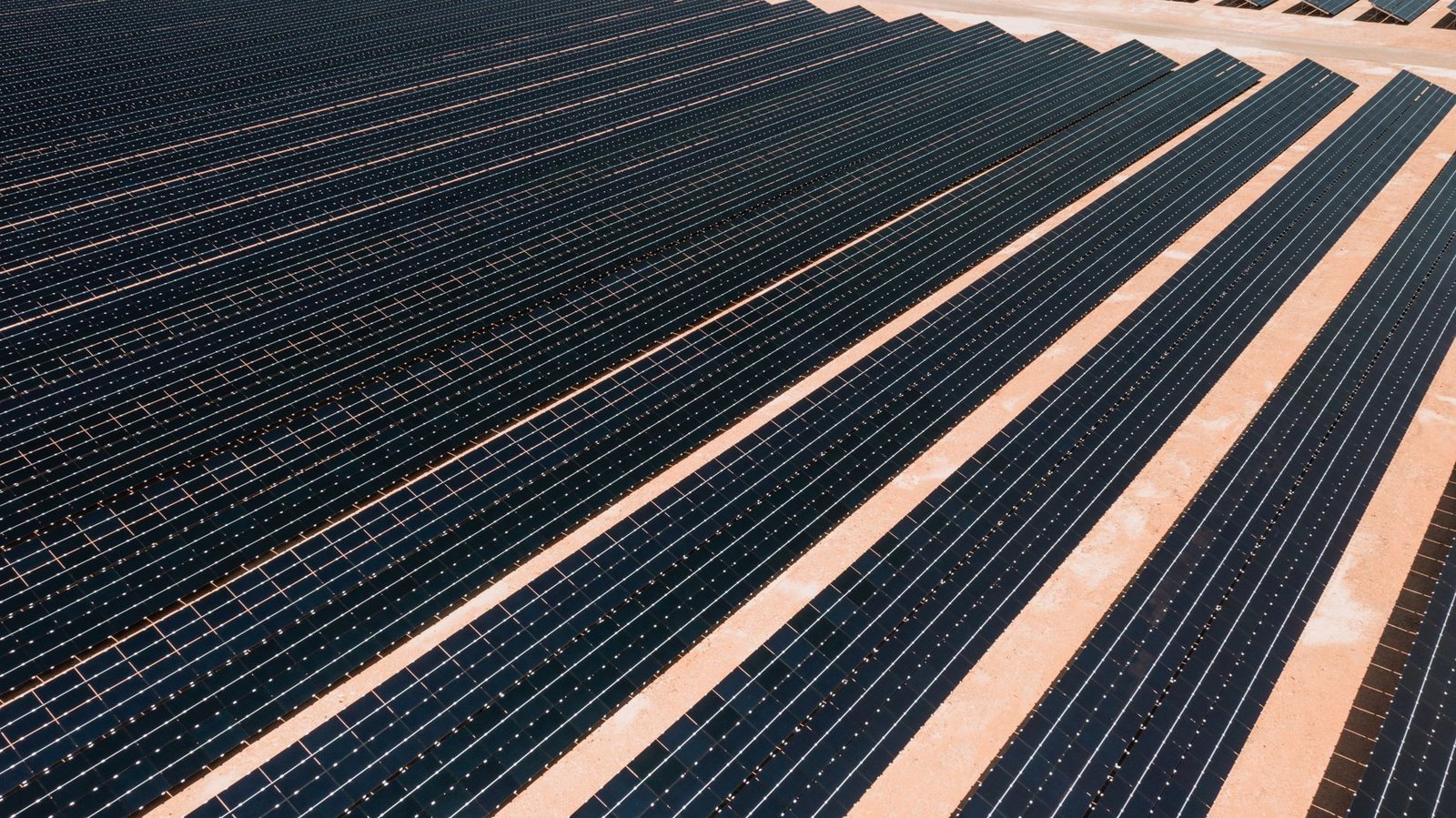
In the first half of 2023, 368 utility-scale power plants were launched in the United States, according to the US Energy Information Administration. Importantly, a significant portion of these are **solar projects**, marking a clear trend toward renewable energy sources. But what exactly is utility-scale solar? Imagine solar panels not just on rooftops but spanning entire fields, harvesting sunlight to generate power for thousands of homes and businesses.
Understanding the Shift
This monumental shift is driven by increasing pressure to reduce carbon emissions and a growing recognition of the economic benefits associated with renewable energy. Solar power, once seen as an alternate source, is stepping into the mainstream. The challenge lies in balancing this growth with existing infrastructure and regulatory frameworks.
Pioneers in Wind Energy: SunZia Wind Farms
Among the new developments, the **SunZia Wind South** and **SunZia Wind North** projects in New Mexico stand out. These installations, operational since this spring, are now the largest wind farms in the nation, boasting a combined generating capacity of 3,650 megawatts. To put this in perspective, that’s enough to power roughly one million homes, showcasing the sheer scale and potential of wind energy.
The Decade-Long Journey
The journey of SunZia is a testament to perseverance. With planning and regulatory approvals stretching over a decade, this project highlights the complexities behind bringing large-scale renewables online. Regulatory hurdles and shifting public opinions often slow down such projects, emphasizing the need for thoughtful engagement with communities and policymakers.
Changing Dynamics in Power Generation
As the power sector evolves, balancing new clean energy sources with traditional plants is critical. The rise of renewables is not just a technical challenge but also a policy and social one. How we integrate these new power sources will determine the sustainability of our energy future. Consider it like switching from typewriters to computers in offices worldwide—it’s a transformative shift that requires a systemic upgrade.
Global Implications
This transition is not isolated. The US’s move toward renewable energy is mirrored globally, with countries investing heavily in renewable infrastructure. It’s a global race to innovate and adapt, positioning nations as leaders or followers in a greener future.
The Road Ahead: What It Means for AI and Technology
The rise of renewable energy heralds a new era for **artificial intelligence** and technology. AI can optimize the integration and efficiency of these projects, analyzing vast datasets to predict energy outputs and consumption patterns, ensuring that homes and businesses receive a steady power supply. The interplay between AI and renewable energy promises smarter grids and more resilient infrastructure.
As we press forward, the synergies between AI and renewables will play an increasingly critical role in achieving sustainable energy goals. Imagine a future where technology not only drives economic growth but does so sustainably, benefiting the planet and its inhabitants.
