



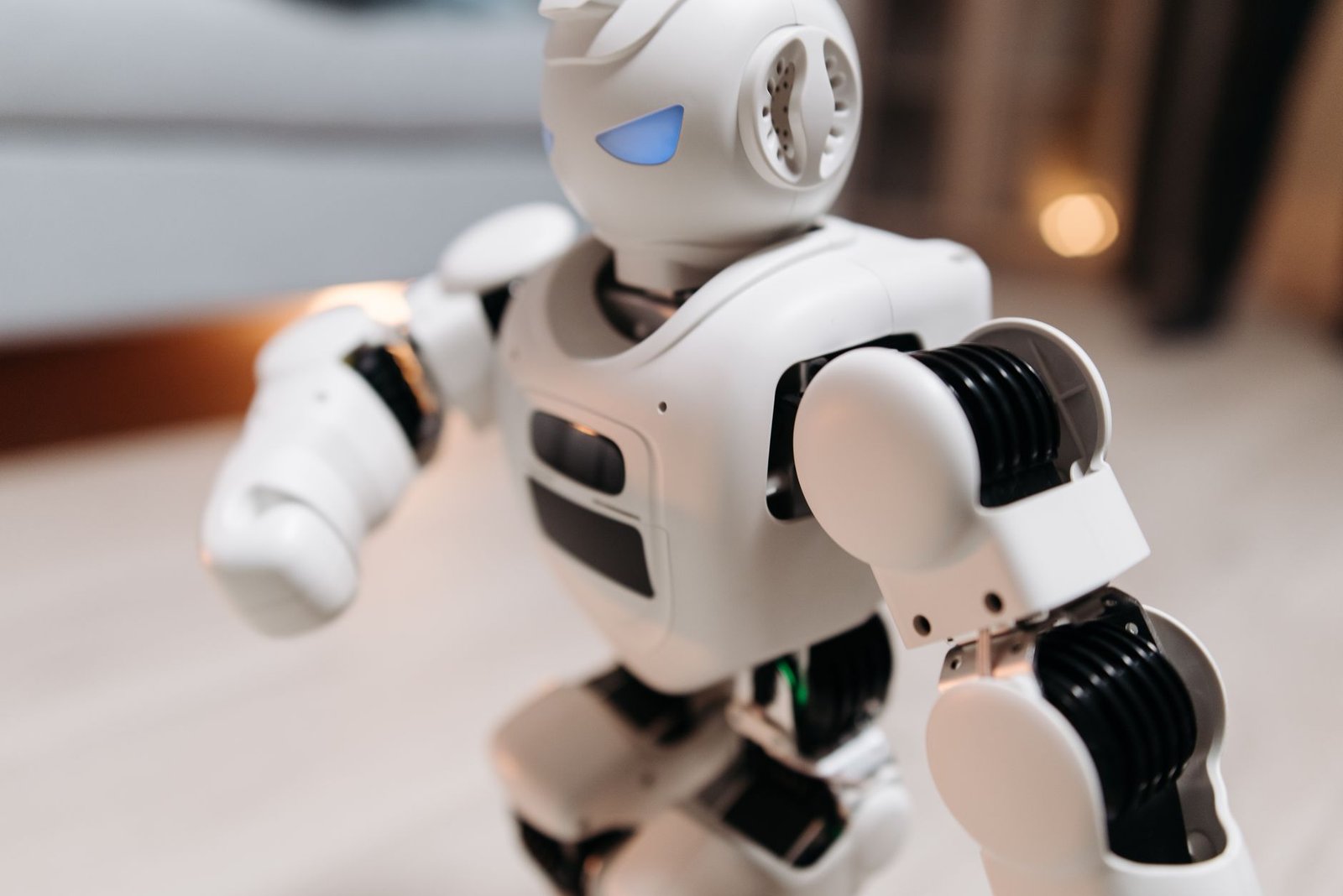
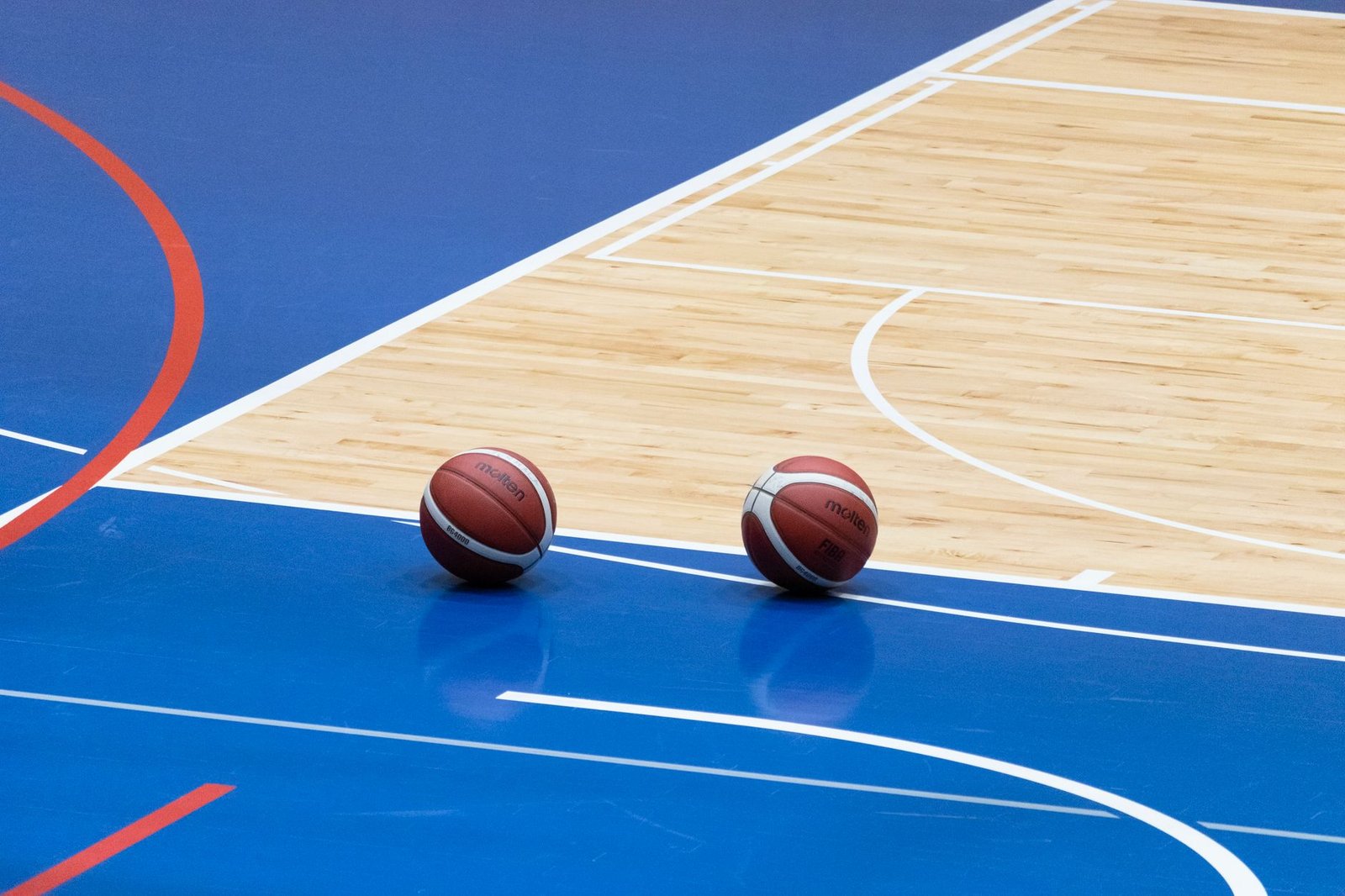
Imagine dribbling down the court, the ball bouncing to the rhythm of your ideas, and being more connected to artificial intelligence than ever. OpenAI, known for its groundbreaking developments in the AI sector, has ventured into the physical sports arena by unveiling its inaugural hardware: the ChatGPT basketball. This might sound like a gimmick, but it actually symbolizes a captivating bridge between human creativity and AI.
Key Takeaways
- OpenAI has released a hardware product: a ChatGPT-enabled basketball.
- The initiative aims to integrate AI with everyday activities, expanding human-AI collaboration.
- The basketball serves as a testing ground for innovative applications of AI in sports and beyond.
- This project challenges perceptions of what AI can be, illustrating its versatility.
The Leap from Software to Hardware
For the longest time, OpenAI has been synonymous with software, particularly with its flagship application, ChatGPT. Known for transforming the way people interact with technology through natural language processing, the organization’s pivot to a physical device is both surprising and strategic. This basketball infused with AI capabilities is more than just a sports equipment; it represents an exploration of how artificial intelligence can merge with everyday tasks.
What’s Inside This Smart Basketball?
This isn’t your average basketball. Inside, it’s equipped with sensors and a connectivity suite designed to interface with ChatGPT, allowing real-time feedback based on player interactions. Imagine having a coach that can adapt and evolve with the player, offering precise advice, tracking performance metrics, and even predicting potential gameplay strategies. By linking physical actions to AI-driven insights, OpenAI is seeking to create a seamless and intuitive learning experience, akin to having a fantastical mentor always ready to assist.
A Visionary Step in Human-AI Collaboration
At its core, the ChatGPT basketball is about enhanced human-AI collaboration. It’s designed to bring AI out of the digital space and into the palpable world. This synergy is not limited to improving sports performance but also challenges traditional approaches, urging people to consider how AI can enhance daily activities. This kind of integration illustrates OpenAI’s commitment to making AI more approachable and actionable beyond conventional settings.
Demystifying AI in Traditional Play
One might ask, why a basketball? The answer lies in accessibility. Basketball is not only a globally adored sport but also a medium where AI can demonstrate tangible benefits in tracking, analysis, and personalized feedback. Consider the analogy of an artist using a palette that suggests the perfect color blend while painting. Similarly, this smart basketball offers feedback and coaching customized to the player’s unique playing style, potentially revolutionizing training methodologies.
Bringing AI to New Frontiers
This initiative brings AI into uncharted territories, broadening horizons in how AI applications are perceived and utilized. By integrating AI in sports, OpenAI tactically nudges traditionalists to notice how technology can add depth and perspective to our daily routines without overshadowing the human element.
What This Means for AI’s Future
The introduction of a ChatGPT basketball is a mere glimpse into the potential of AI’s future roles in blending into physical activities. This could herald a new era where AI isn’t just an abstract, digital construct but an interactive partner in several aspects of life—sports, education, wellness, and so much more.
In summary, OpenAI’s innovative foray into creating a ChatGPT-enabled basketball sums up a broader narrative that AI is poised to redefine not just industries but the very fabric of everyday experiences. As AI continues to weave itself into diverse sectors, the prospects of this intelligent amalgamation hold immense promise, offering insights and capabilities that were once smugly attributed to the realm of science fiction.
