



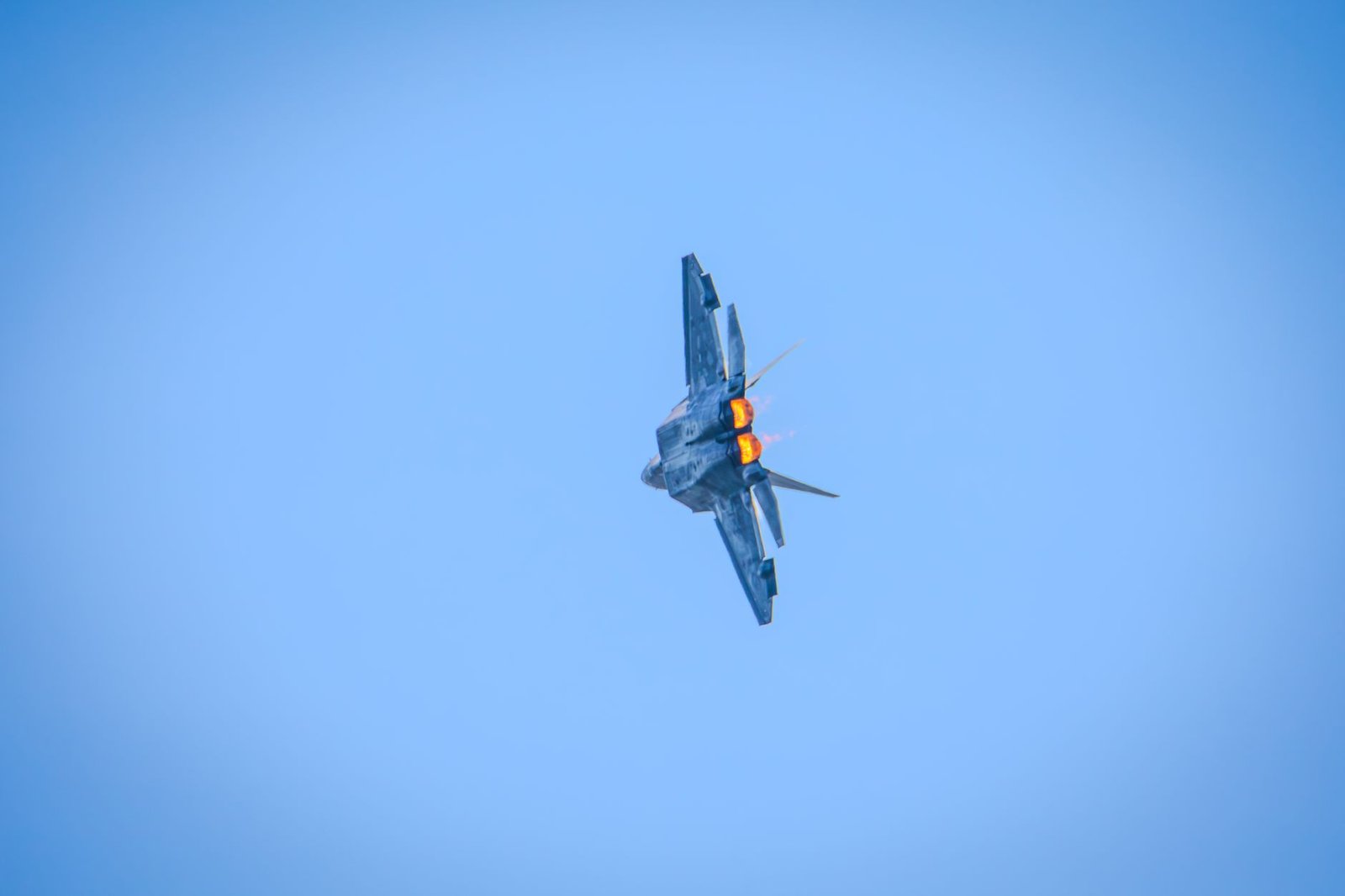
The skies over American cities might soon witness the return of **supersonic flights**—an advancement promising not only speed but also minimal disruption. A recent proposal by the US Federal Aviation Administration (FAA) could overturn a decades-old ban, opening a new chapter for commercial aviation.
Key Takeaways
- The FAA proposes to lift the long-standing ban on supersonic flights over the US.
- New regulations will focus on noise levels, ensuring minimal disturbance from sonic booms.
- Technology advancements are key to making quiet supersonic flights viable.
- Boom Supersonic, a startup, plays a pivotal role in showcasing these possibilities.
- This proposal marks a significant step toward faster and more efficient air travel.
The History Behind the Ban
Back in 1973, following alarming noise disruptions caused by military tests, the FAA banned **commercial supersonic flights** overland in the United States. These tests revealed the jarring effects of **sonic booms**, the thunderous sounds produced when an aircraft surpasses the speed of sound. The effect was particularly evident in cities like Oklahoma City and Chicago, prompting the authorities to prioritize ground-level peace over airspeed advances.
The New Proposal: Redefining Noise Standards
The FAA’s upcoming rule aims to replace the flying restrictions with a new **noise-based certification standard**. This standard requires the overpressure at ground level from a sonic boom to stay below 0.11 pounds per square foot. Simply put, the focus will be on the noise impact rather than outright speed limits. This innovative approach is inspired by advancements like those of **Boom Supersonic**, a company that demonstrated how aircraft could fly quietly by directing shockwaves upwards rather than letting them hit the ground.
Understanding the Mach Cutoff
One of the key technical terms here is the **Mach cutoff**. In simple terms, it’s a speed threshold where the aircraft flies just fast enough to be supersonic but avoids generating a disruptive sonic boom. By harnessing atmospheric conditions cleverly, these flights ensure the sonic waves are deflected away from populated areas. Think of it as whispering in a library instead of shouting; you still communicate, just without disturbing everyone around.
Technological Innovations Leading the Way
Boom Supersonic has been a trailblazer in this field, showcasing how modern aircraft design can achieve near-silent supersonic flight. Their **XB-1** aircraft, for instance, has shown promising results by utilizing sophisticated design and material technology. This development signifies how a harmonious blend of **aerodynamics** and **aeronautics** can pave the way for sustainable air travel.
A Real-World Analogy
Imagine driving a car on a highway at maximum speed. Traditionally, doing so would mean a lot of noise, like an unneeded engine roar. However, with advancements equivalent to those in aviation, it would be like having an electric car that still zooms past but silently. The propulsion technology concepts are similar, focusing on speed with peace.
A Glimpse into the Future
This proposal by the FAA, if implemented, could revolutionize how we perceive air travel. As technologies evolve, they not only make supersonic flight a viable option but set a precedent for innovative approaches across industries, including **artificial intelligence (AI)**. AI, in particular, could greatly contribute to further refining **flight algorithms** and enhancing passenger safety and comfort.
Looking ahead, the integration of AI in **aviation technologies** may redefine efficiency standards across the globe. This shift to quieter supersonic flights is just the beginning of a more advanced and environmentally considerate era in aerospace, hinting at the potential AI holds in transforming industries beyond recognition, shaping a future where speed doesn’t come at the cost of silence.
