



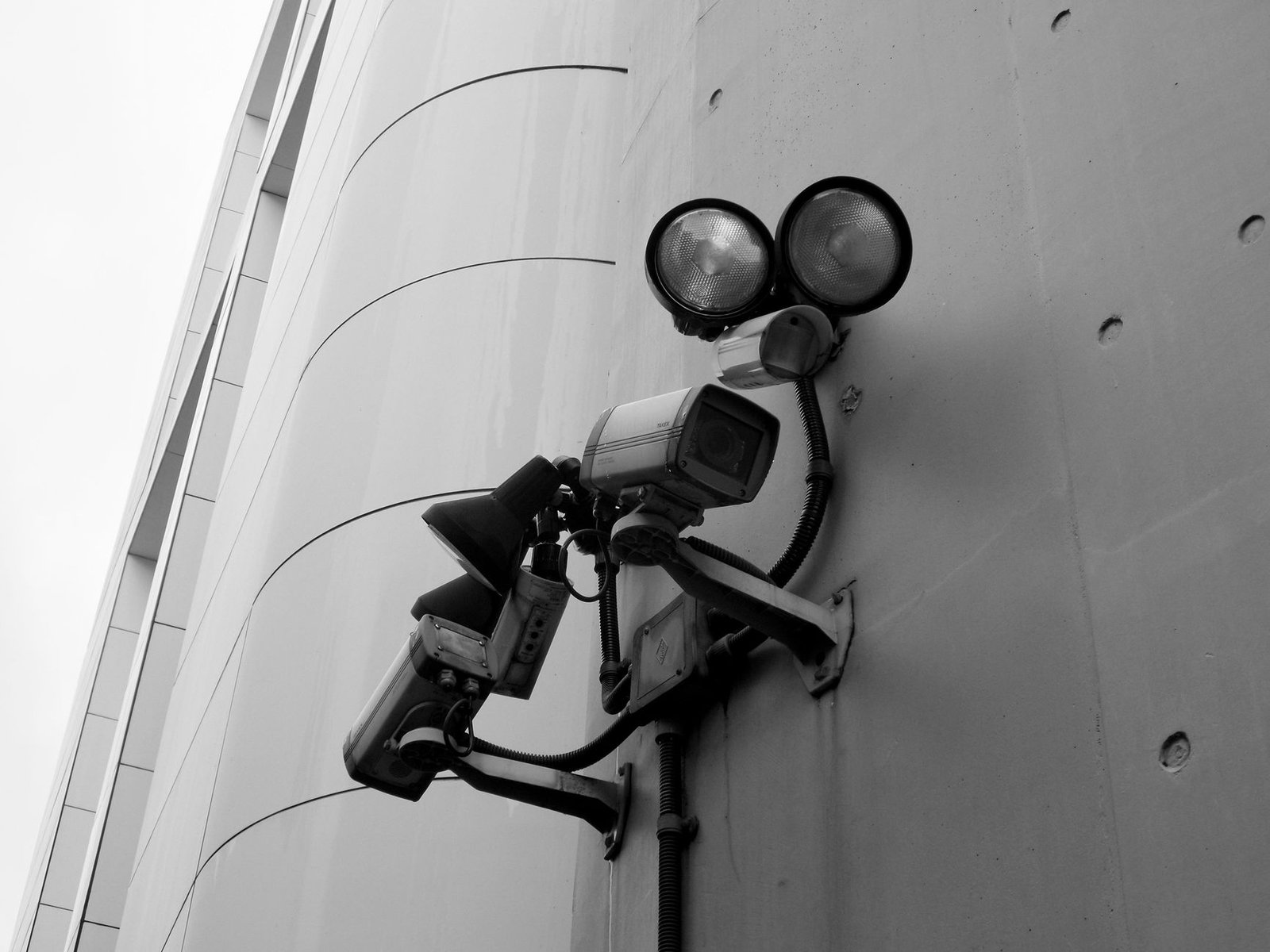
Imagine a world where surveillance extends far beyond simply watching for speeding cars. That’s exactly what **Flock** is doing with its innovative AI, transforming how police gather and analyze data. Let’s dive into how this tech evolution is reshaping law enforcement.

Key Takeaways
- Flock’s AI is not just about tracking license plates—it goes much further.
- The technology can enhance police work but raises significant privacy concerns.
- AI’s capability to analyze patterns and behaviors could redefine public safety strategies.
- Understanding AI’s role in surveillance is crucial for informed discussions on privacy.
- The future of law enforcement with AI is both promising and contentious.
The Evolution of Surveillance
**Flock’s surveillance cameras** were originally built with a primary function: identifying and tracking **license plates**. However, the introduction of their new AI system has taken this technology from the simple task of plate reading to more advanced behavior and pattern recognition. In construction, this AI acts as more than just a pair of digital eyes; it is an analytical tool that sifts through huge volumes of data to detect **anomalous activities** and potential threats.
Breaking Down the Tech
At its core, the AI technology leverages **deep learning**, a subset of AI models trained to understand patterns much like the human brain does. It involves artificial neural networks—a series of algorithms that mimic human brain connections—to interpret complex data sets. Instead of just listing which cars are on a street, Flock’s AI can now interpret what that traffic might mean, how it varies from the norm, and if any behavior looks suspect.
From Plates to Patterns
Consider an analogy: imagine a detective piecing together clues from a scene. He doesn’t just list items or people present; he interprets their meaning in context. Similarly, Flock’s AI algorithms work tirelessly to piece together a bigger picture from disparate data points. The AI identifies correlations and flags patterns that align with known criminal activities or unusual deviations, alerting law enforcement to investigate further.
The Balance of Power: Benefits vs. Privacy
While this next-gen tool can be invaluable in preventing crime and enhancing public safety, it does lead to an ethical quandary over **privacy concerns**. Critics argue that such advanced analytics extend surveillance beyond acceptable norms, potentially paving the way for misuse. Imagine a database that not only knows where your car is but could infer where you habitually park, the routes you take, and the typical times you travel.
The Future of AI in Law Enforcement
**Flock’s AI** hints at a future where policing becomes predictive, not reactive. Imagine a system that anticipates crimes and prevents them from even occurring. Although this vision holds compelling promise, it underscores the need for robust legal frameworks and ethical guidelines to accompany AI’s deployment in public life.
As AI continues to push the boundaries of what’s possible, it’s essential for communities and policymakers to engage deeply with these technologies, understanding not just their technical workings but also their societal implications. This dialogue will be vital in ensuring the growth of AI aligns with our shared values and privacy expectations.
Looking ahead, **artificial intelligence** in law enforcement will likely encounter further enhancements, leading to even more sophisticated applications. Whether this will result in a safer society or one burdened by over-surveillance depends on the legislative and ethical frameworks we establish today. It’s a future that’s yet unwritten, promising both innovation and introspection for years to come.
