



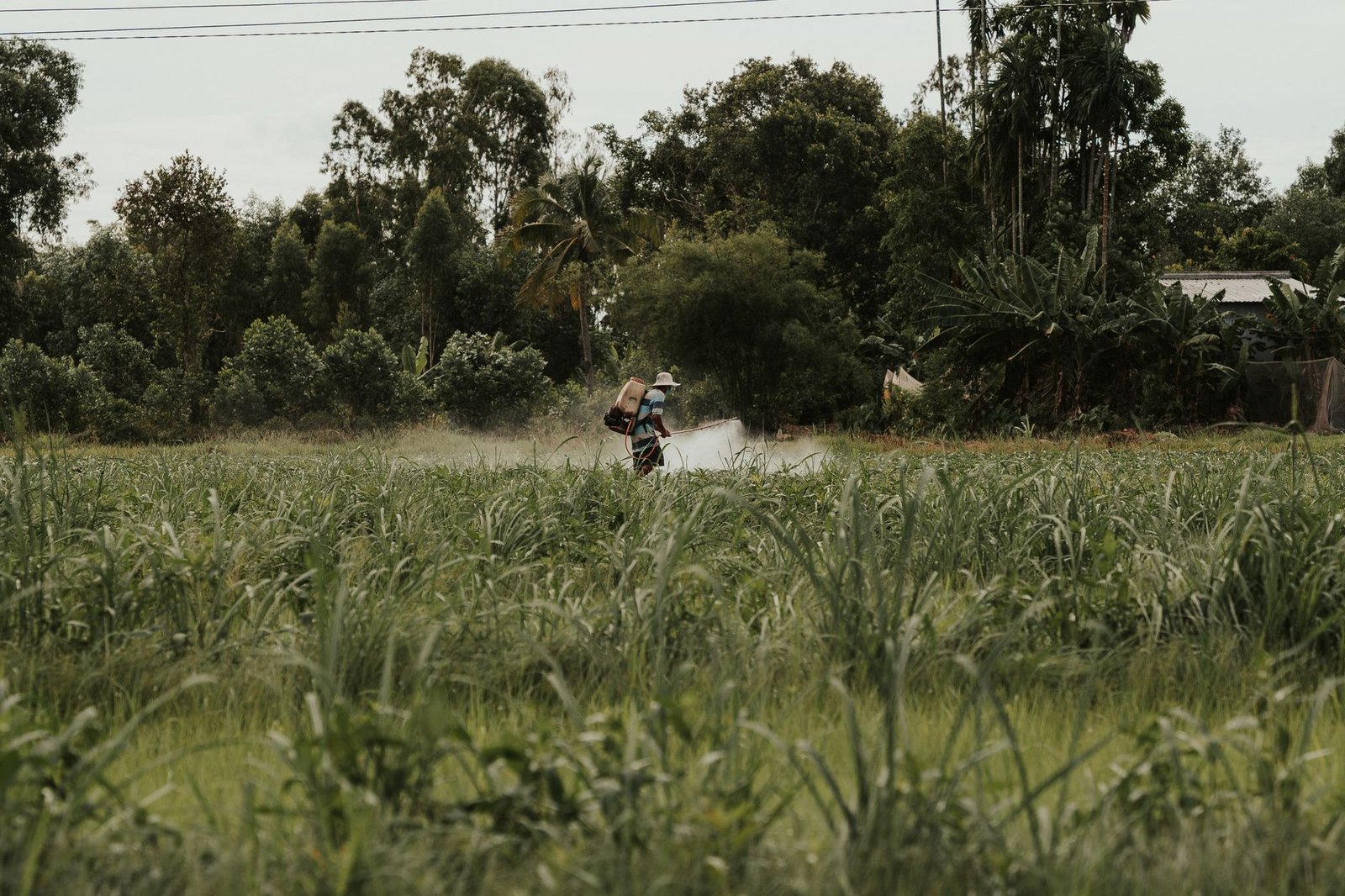
The silent storm brewing in the fields threatens those who toil under the blazing sun, as **rising temperatures** transform everyday farm work into a hazardous endeavor.
Key Takeaways
- Climate change increases the risk farmworkers face from pesticides.
- Higher temperatures amplify the **absorption** and **toxicity** of pesticides.
- Protective gear adds to the physical stress in extreme heat.
- Increased evaporation rates can lead to more chemical exposure.
- Understanding these dynamics can guide policy and technology solutions.
Heat and Vulnerability: A Dangerous Duo
As the planet warms, the agricultural sector has been forced to confront an uncomfortable truth: **heat stress** augments the dangers of pesticide exposure. The **human body** becomes more susceptible under high temperatures, making the routine spraying of pesticides not just a nuisance, but a potential health threat. Farmworkers are at the frontline, facing increased exposure as **evaporation rates** spike under the sun’s intense glare.
The Role of Protective Gear
Ironically, the very **protective clothing** meant to shield workers from chemicals can exacerbate their plight. These garments trap heat, forcing the body to work harder to maintain normal temperature, which can lead to additional stress. As temperatures climb, these already challenging working conditions become even riskier.
Chemical Transformation: A Double-Edged Sword
Not only does heat make it easier for workers to absorb pesticides through the skin and lungs, but it can also trigger **chemical transformations**. Higher temperatures can convert pesticides into more toxic forms, posing a heightened threat to those already at risk.
Omanjana Goswami of the Union for Concerned Scientists vividly describes this conundrum: “When it’s in the air, you inhale it. Your skin absorbs it, and sweating aggravates the situation by opening your pores, allowing deeper penetration.”
Real-World Implications: An Everyday Battle
Picture a marathon runner wearing a heavy coat on a hot day. Their discomfort is analogous to what farmworkers experience as they tackle their daily tasks in heavy protective gear under the scorching sun. While running a marathon, the protective gear symbolizes their determination to stay safe, even as it contributes to their exhaustion.
Next Steps: Navigating the Intersection of AI and Agriculture
As we continue to explore these challenges, the role of **Artificial Intelligence (AI)** grows ever more crucial. AI has the potential to revolutionize agricultural practices, offering solutions that could minimize pesticide use and predict heat stress events before they occur.
The Future of AI in Agriculture
In a world grappling with climate change, AI might provide the tools we need to innovate safer agricultural practices. By using AI to monitor environmental conditions, optimize pesticide application, and develop heat-resistant crops, we can pave the way for a future where technology and agriculture coexist harmoniously, safeguarding those who feed the world.
The future tugs at today’s threads of innovation, hinting at a landscape where technology not only predicts challenges but actively prevents them, marrying human ingenuity with technological advancement.
