



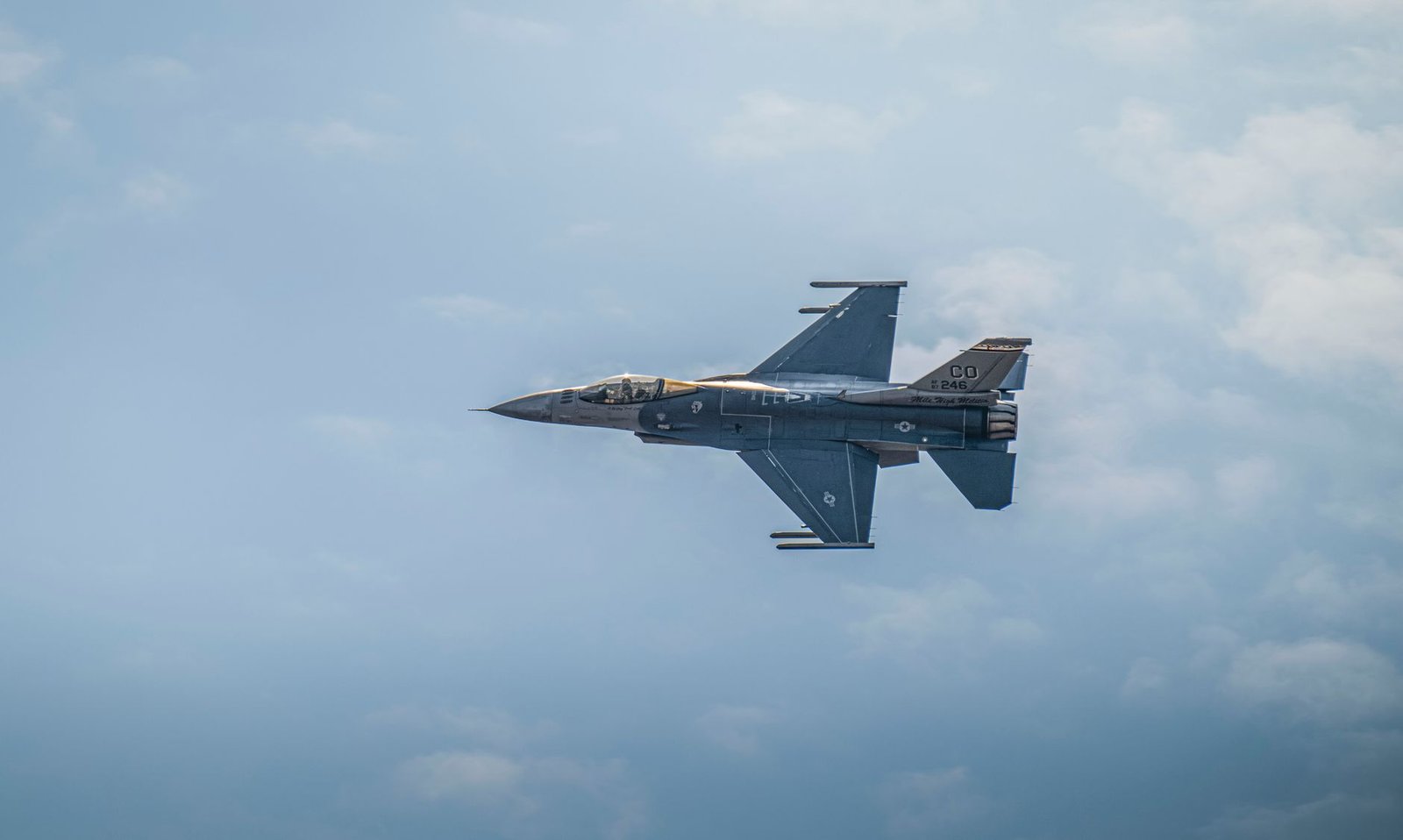
Imagine a scenario where diplomatic tensions culminate in high-stakes technological showdowns—a reality Europe is increasingly facing in the intricate theater of offshore energy resources. The recent incident involving a Romanian F-16 jet and a Russian drone boat loaded with explosives highlights not just geopolitical challenges but also the technology’s evolving role in modern warfare.

- Romania intercepted a Russian drone boat targeting a vital gas platform.
- The Romanian military deployed F-16 fighter jets to disable the threat.
- This incident underscores the rising importance of tech in safeguarding critical infrastructure.
- Automation and AI are increasingly pivotal in military defenses.
- Europe’s energy security relies heavily on technological innovations.
The Technological Battlefield: When Jets Meet Drones
The Romanian military was on high alert when a maritime drone laden with explosives headed toward the **Neptun Deep project**, a significant offshore gas installation. Recognition of this threat underscores the vital importance of technology in safeguarding critical infrastructure. So, how did a simple drone nearly cause an international incident?
Understanding the Threat: Maritime Drones
A maritime drone is an unmanned vessel often equipped with surveillance gadgets or weaponry like explosives. These drones are not mere toys; they’re capable of carrying out complex, often dangerous, missions with minimal human intervention. Just as hobby drones have changed modern photography, their military counterparts are reconfiguring the battlefield.
The Role of Fighter Jets in Modern Warfare
When Romanian radar detected the drone near Neptun Deep, the military’s immediate activation of two F-16 fighter jets was a testament to the critical role **fighter jets** continue to play. **F-16s**, renowned for their agility and precision, are often at the forefront of aerial combat. In this instance, they used cannon fire to disable the drone, showcasing the effectiveness of conventional air power combined with modern warfare technology.
Making the Concept Tangible: The Chess Strategy
Think of the fighter jets and drones as chess pieces; the board is Europe’s complex geopolitical landscape. Just as in chess, each move is strategic, aimed at outsmarting the opponent while protecting valuable assets. A deployed drone represents a pawn advancing with the aim to disrupt, whereas the fighter jet acts as a knight, versatile and decisive.
The Aftermath: Controlled Detonation and its Implications
Following the jet engagement, **explosive ordnance experts** were tasked with a controlled detonation of the drone. This action reflects the nuanced interplay between human expertise and technological tools. It’s akin to defusing the tension on the chessboard by removing a potential source of conflict.
What This Means for Future Technological Defenses
The successful intervention by the Romanian military underlines the pivotal role technology plays in modern defense strategies. Europe’s gas projects, such as Neptun Deep, are not just economic hubs but also strategic focal points in an era where energy security is paramount. Technologically savvy militaries offer a safeguard, ensuring the continuity of energy supplies in volatile times.
Looking Ahead: AI’s Role in Evolving Defense Mechanisms
As we move forward, **artificial intelligence** (AI) and automation will increasingly become cornerstones of defense strategies. From AI-driven surveillance systems to autonomous drones that can make on-the-fly decisions, the battlefield is not just shifting but transforming. With AI’s potential to preempt threats and respond with precision, the future looks both secure and exciting for the proponents of technological and energy security. This evolving landscape is where AI truly shines, providing opportunities for innovations that keep our world safer.
