



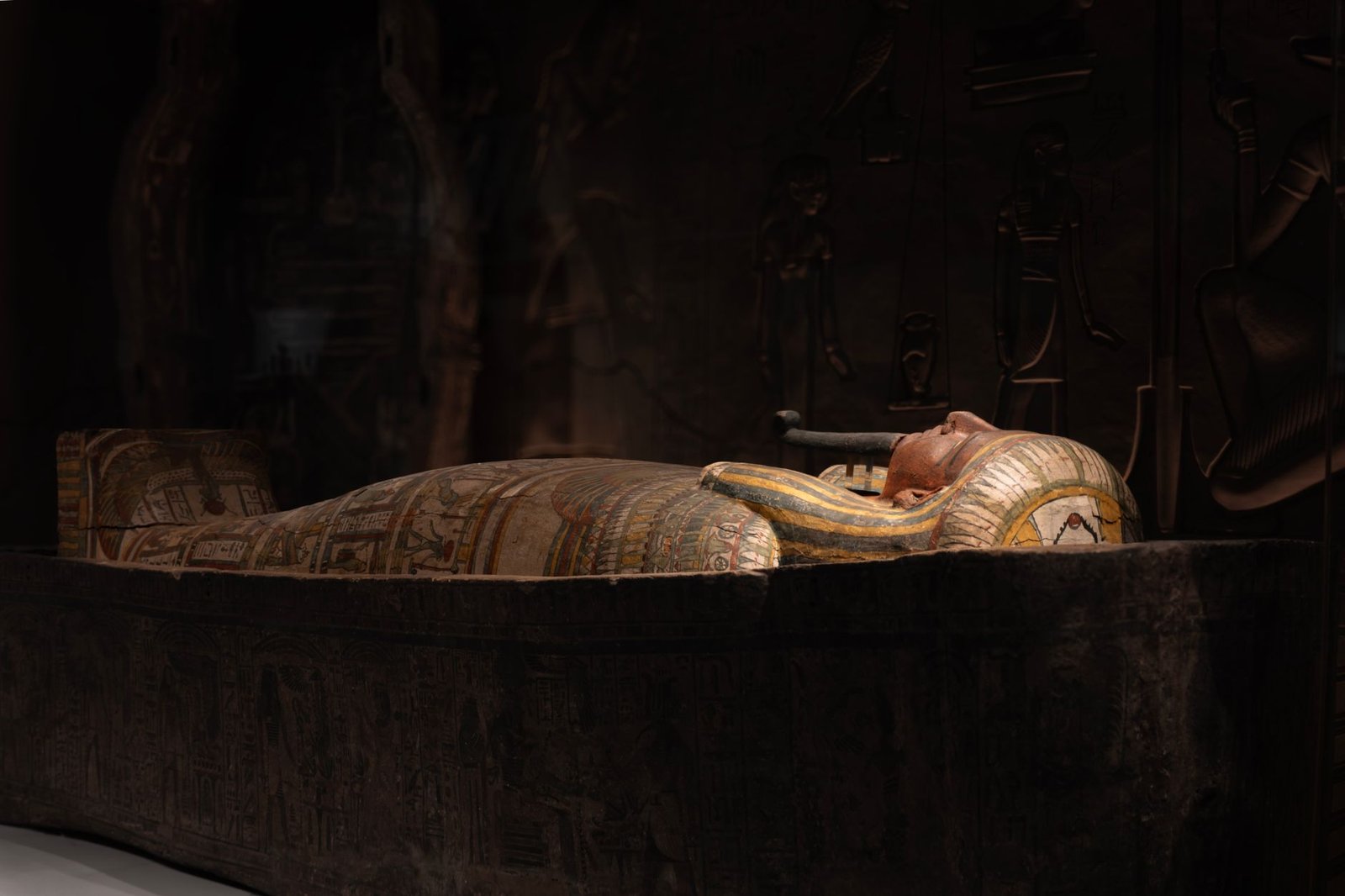
As researchers uncover layers of history buried beneath Egypt’s Theban necropolis, they reveal transformative shifts in ancient burial practices that document an evolving cultural tapestry. Delve into these ancient mysteries as we journey through time, witnessing the ebb and flow of Egyptian burial customs.
- Understanding changes in burial customs reveals deeper insights into ancient Egyptian culture.
- A high-ranking official’s tomb offers clues to evolving practices over centuries.
- Environmental factors like flash flooding significantly affected burial sites.
- Advanced archaeological techniques provide a clearer historical timeline.
- Insights into ancient practices shape modern understanding and technology in archaeology.
Theban Necropolis: A Historical Repository
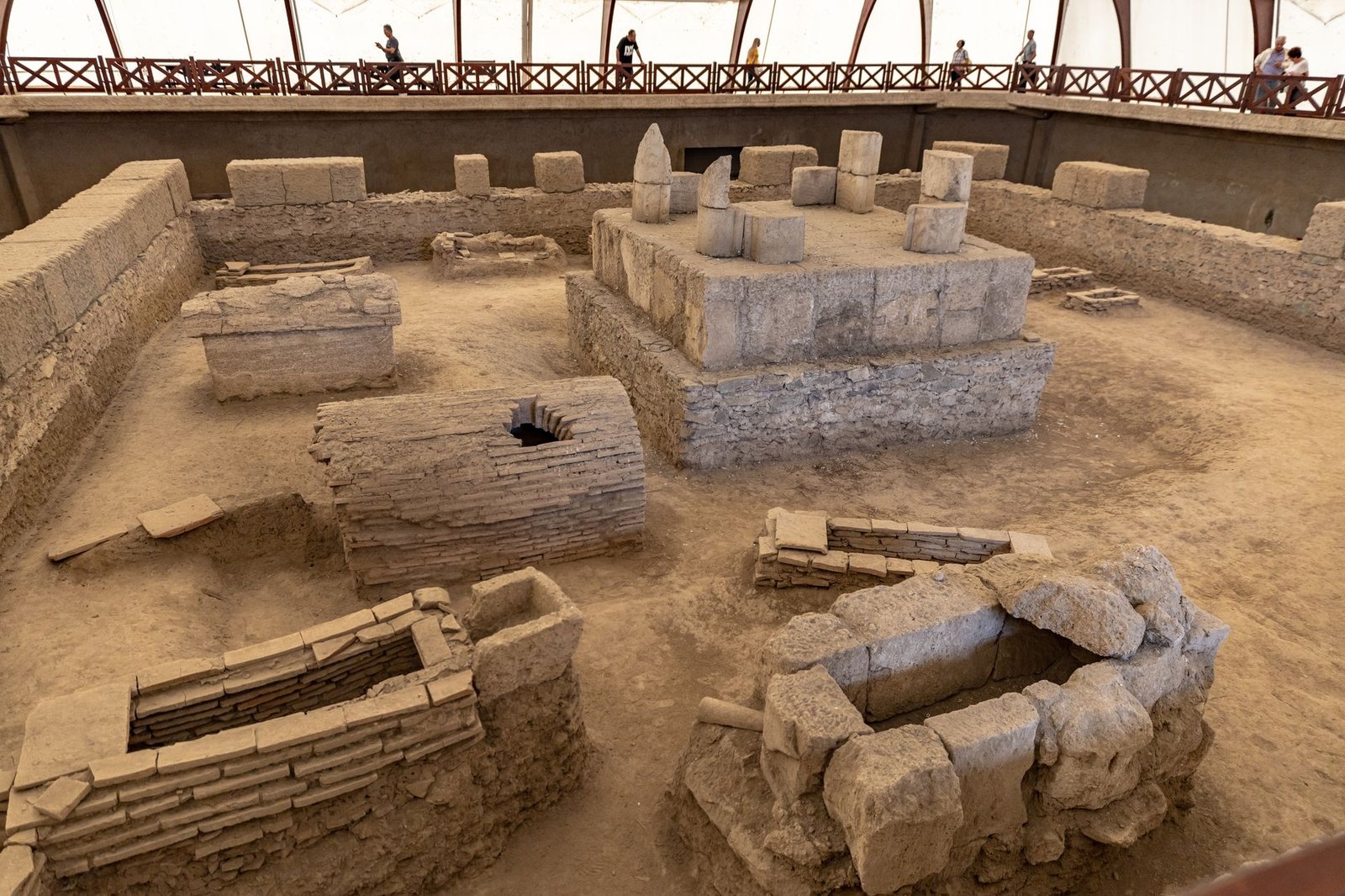
The Theban necropolis is a sprawling ancient burial ground that comprises more than 400 tombs. These tombs are a treasure trove not only for Egyptologists but for anyone eager to understand the ancient world’s intricacies. Each grave holds a narrative, a chapter in the rich anthology of Egypt’s storied past.
From Individual Elegance to Crowded Resting Places
Early Egyptian burials were marked by elaborate, individualized tombs, often tailored with precision and artistry that befit the deceased’s status. However, over the centuries, there was a noticeable shift towards reutilizing these spaces, leading to more densely packed burial sites. This can be likened to urban cities today, where land scarcity leads to high-rise buildings that maximize space efficiency.
Tomb 209: A Silent Witness to Change
Amidst this vast necropolis, one tomb stands out: **Tomb 209**. Dating back to the early 25th Dynasty, this burial site belonged to a Nubian official named Nisemro. Over time, the tomb was affected by its placement within an active drainage channel, making it an exemplary site for studying the implications of environmental changes on burial practices.
The Integrated Archaeothanatological Approach
To unravel the complexities of Tomb 209, researchers employed an **integrated archaeothanatological approach**. This methodology involves examining how bodies were positioned and layered, assessing coffin usage, and understanding the stratification or layering of the remains. By analyzing these components, alongside bone studies (osteological analysis), scientists can chronologically reconstruct burial sequences. It’s analogous to solving a historical jigsaw puzzle, where every piece (or bone, in this case) offers a clue to the larger picture.
Lessons from Egypt for AI’s Future
The intricacies of Egypt’s burial practices, particularly how they adapted to environmental and social changes, offer valuable analogies for the current landscape of **Artificial Intelligence (AI)**. Much like archaeologists use advanced techniques to decode the past, AI technologies are increasingly utilized to analyze vast datasets to predict future trends.
The insights from Tomb 209 emphasize the importance of adaptability and innovation in response to changing circumstances—a lesson readily applicable to the evolving field of AI. As we continue to refine AI’s capabilities, developing flexible models that can adjust to new data and societal shifts becomes crucial. This adaptability is vital as AI expands its role in interpreting complex human behaviors, analyzing large datasets, and providing tailored insights across various sectors.
