



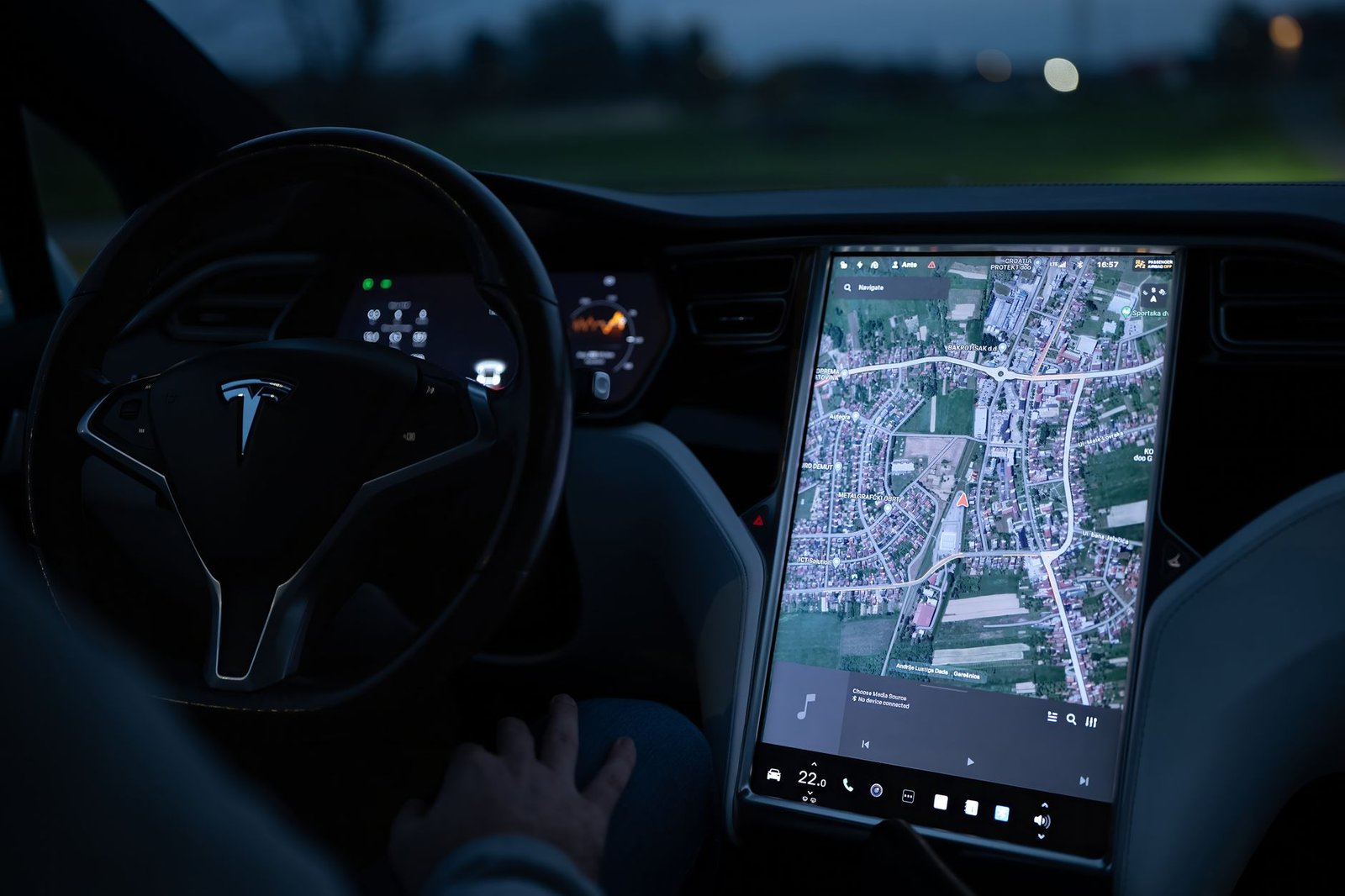
The landscape of automotive safety is evolving, and **Tesla** finds itself amid a significant regulatory demand in China. This scenario isn’t just about cars—it’s a compelling chapter in the story of how technology and regulation intersect to shape the future.
Key Takeaways
- Chinese regulators mandate Tesla to address emergency procedures in nearly 3 million cars.
- The focus is on enhancing safety features in Model 3 and Model Y vehicles.
- New regulation requires clear instructions and an emergency update for electronic doors.
- This move represents China’s proactive stance on automotive safety through tech.
- Tesla’s response could influence global automotive industry regulations.
The Challenge: Ensuring Safety with Electronic Innovations
In recent years, **electronic door controls** have become common in modern vehicles, signaling an embrace of technology for convenience. Yet, this innovation comes with unforeseen challenges—especially during moments when rapid exit from a vehicle is crucial. China’s increasing reports of accidents where individuals were unable to exit quickly from electronically controlled cars highlight this very issue.
Understanding China’s Regulatory Focus
With nearly 3 million Tesla cars traversing Chinese roads, regulators demand a solution for improved emergency responsiveness. Specifically, the request involves adding **warning labels** inside car cabins, ensuring occupants understand how to operate door controls even when power is lost. Moreover, Tesla will update its software so that windows automatically lower during collisions—a crucial feature potentially life-saving in dire circumstances.
This push aligns with China’s new comprehensive safety protocols, which will soon dictate the dimensions and functionalities of door handles for all new vehicles. Existing models, however, like Tesla’s **Model 3** and **Model Y**, are temporarily exempt, allowing time for necessary adjustments until the end of 2028.
Technical Concepts Made Simple
For those new to the auto-tech world, you might wonder why electronic doors pose such a challenge. Simply put, these systems rely on the car’s battery to function. In an accident, if the vehicle’s power supply fails, it can render these systems unresponsive, trapping occupants inside. The latest regulations insist on manual override options or at least clear instructions for passengers to navigate these emergency situations.
An Analogy for Clarity
Think of it this way: Imagine an uber-smart home system controlling your doors. It works flawlessly, locking and unlocking at your command until there’s a power outage. Now, without a manual key, you’d be trapped inside. Similarly, in vehicles, without clear manual options or guidelines, getting locked in becomes a serious concern during emergencies.
Tesla’s Response and its Global Implications
Tesla’s swift move to comply by adding visible warning labels and updating software reflects a blend of regulatory adherence and technological adaptation. This approach isn’t merely a response to China’s regulatory landscape but could also act as a blueprint for global standards in vehicular safety.
The company’s focus on **software updates** demonstrates how tech can quickly adapt to regulatory challenges, emphasizing a crucial advantage electric vehicle manufacturers have over traditional automakers: the ability to rapidly deploy safety updates remotely, enhancing customer safety without extensive recalls.
Looking Ahead: What This Means for AI and Automotive Safety
This regulatory evolution in China presents a fascinating opportunity to harmonize technology with safety, compelling the automotive industry to innovate responsibly. As AI continues to enhance automotive features, the emphasis on ethical and safety considerations will shape how these innovations unfold.
In the coming years, similar regulatory actions, inspired by technological advancements, are likely to become a staple worldwide. By leading these changes, China signals a shift where technology isn’t merely about exciting features but also about ensuring peace of mind on every road. Tesla’s proactive adjustments could indeed become a case study, illustrating how marrying tech enhancements with regulatory compliance can spearhead the future of safe, automated mobility.
