



In the ever-evolving landscape of autonomous vehicles, the stakes are rising swiftly as top players battle for supremacy. One standout contender, Waymo, is revving its engines, doubling its lobbying efforts to secure the future of its robotaxi aspirations.
Key Takeaways
- Waymo has significantly increased its lobbying budget, aiming to influence U.S. regulators.
- The rivalry with Uber underscores different approaches to introducing autonomous taxis.
- Spending over $1 million on lobbying, Waymo edges closer to Uber’s influence levels.
- Waymo’s vision emphasizes a rapid shift to entirely driverless taxis, contrasting with Uber’s mixed model.
- The rise in lobbying reveals the growing importance of regulatory decisions in the autonomous vehicle sector.
The Fierce Rivalry: Waymo vs. Uber
Autonomous vehicles are no longer just a futuristic dream; they are on the cusp of reshaping urban landscapes. At the heart of this transformation is a heated rivalry between Waymo and Uber. Both companies are setting the stage for a driverless world, but they have divergent philosophies on how to get there. For Waymo, it’s about fast-tracking the evolution towards fully autonomous taxis. In contrast, Uber envisions a gradual integration where robotaxis share the road alongside traditional human-operated cabs.
Lobbying: An Essential Upgrade to the Strategy
As the battlefield spreads to regulatory corridors, Waymo has made a calculated move—doubling its lobbying expenditure. In stark economical terms, this means an investment of over $1 million from April to June, positioning them nearly on par with Uber’s influence, as suggested by federal filings. This strategic splurge highlights the necessity of navigating regulatory landscapes adeptly. By significantly upping its political game, Waymo is ensuring it has a pivotal seat at the table where future-shaping conversations befall.
Understanding the Technical Jargon: What is a Robotaxi?
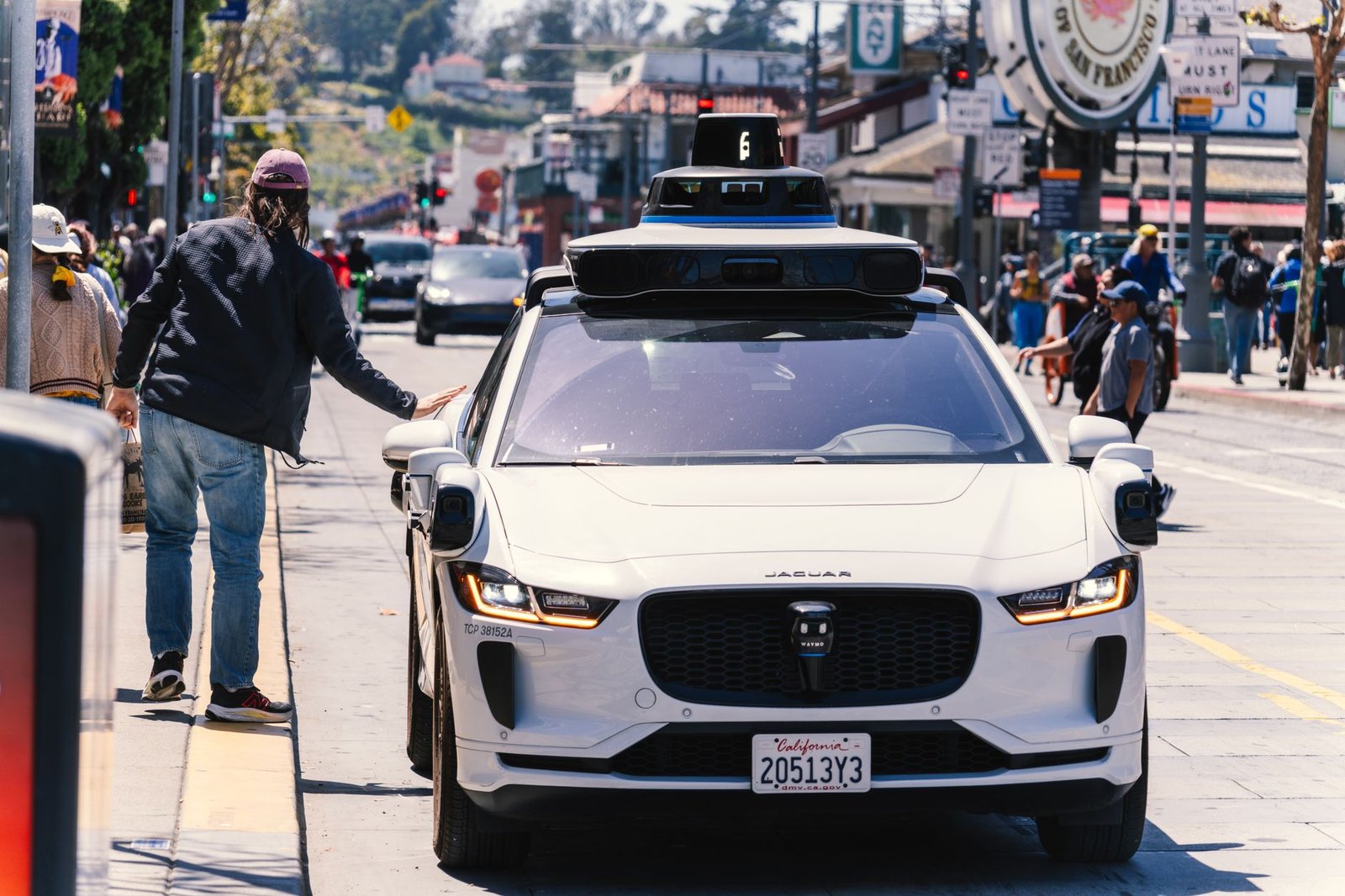
A robotaxi is shorthand for a self-driving taxi, a vehicle that can autonomously navigate without the need for a human driver. These vehicles use a blend of AI, sensors, GPS, and real-time algorithms to maneuver through traffic. Picture your daily taxi ride, but without the person behind the wheel. This month, your tech-savvy friend was talking about how Jeff Bezos’ Zoox is also in the race, but Waymo’s recent investment suggests they might be trying to outmaneuver their competitors.
A Real-Life Example: Navigating Complexity Like a Chess Match
Think of the competitive landscape as a game of chess where each move has long-lasting implications. Just like chess masters anticipate challenges and strategize counteractions, companies like Waymo and Uber are forecasting regulatory decisions and adjusting their tactics. Waymo’s recent lobbying surge is akin to a strategic ‘knight’ maneuver, capturing critical advantages in the game of technology regulation.
A Glimpse into the Future
What does this intensified tug-of-war mean for the future? One thing is clear: the race to dominate the autonomous taxi market is only accelerating. As Waymo and Uber sprint ahead with distinct approaches, regulators and policymakers will wield considerable influence over the timeline and dynamics of self-driving adoption. The outcome of these battles will shape how we experience transport in cities across the globe.
The path to an autonomous future is laden with hurdles and opportunity, but one constant remains: pioneering companies like Waymo and Uber will continue to push the boundaries of what’s possible, and their journeys will significantly dictate the rollout and integration of autonomous technologies worldwide.
