



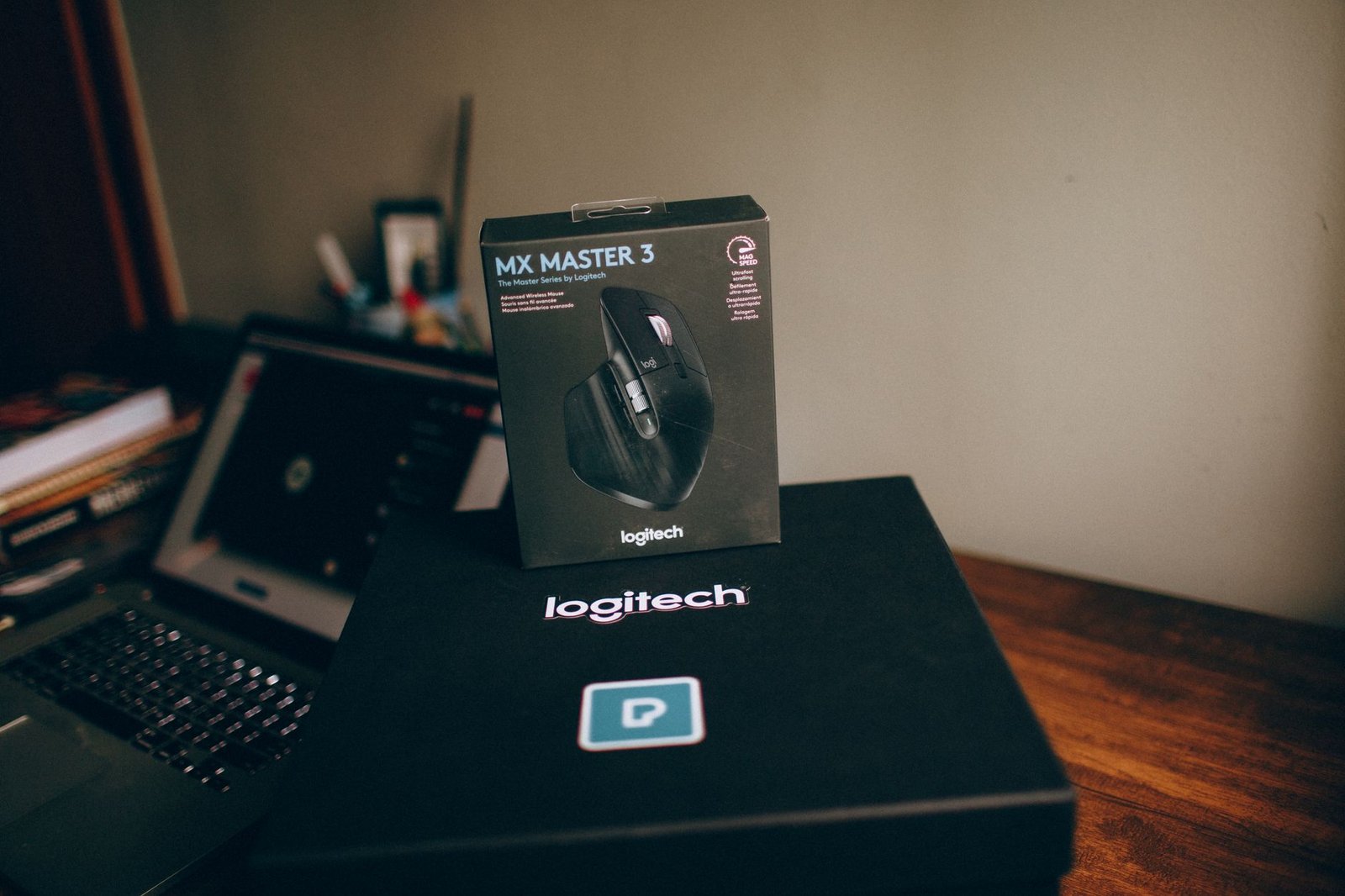
In a move that could redefine consumer rights in tech, Logitech is caught in a proposed class action lawsuit. The crux? Customers demanding refunds for tariff-related price hikes, showcasing the intricate dance between global politics and technology consumers.
Key Takeaways:
- Logitech is facing a class action lawsuit for not reimbursing customers following unlawful tariff price hikes.
- Prices were raised on over half of Logitech’s products, some by as much as 25%.
- The lawsuit aims to recoup funds extracted from customers due to these tariffs.
- Tariffs were declared unlawful by the U.S. Supreme Court, putting Logitech in a position to be reimbursed by the federal government.
- This case highlights the complex intersection of trade policies and consumer pricing.
The Impact of Tariffs on Tech Prices
In April 2025, Logitech announced a noticeable rise in the prices of 51% of their product line. These adjustments, influenced largely by imposed import tariffs, saw certain items surge by a hefty 25%. But what exactly are tariffs? Think of tariffs as taxes levied on imported goods; they are designed to encourage consumers to buy domestically by making imported goods more expensive.
The Legal Conundrum
Despite their initial intention to protect local industries, these tariffs were scrutinized. The U.S. Supreme Court eventually declared them unlawful, shaking the foundations of the tech industry that had passed these costs onto consumers. Logitech, now set to receive a reimbursement from the federal government due to these illegal tariffs, still clutches to the raised earnings procured from consumers during this period.
The Heart of the Lawsuit
The lawsuit against Logitech is more than just a legal battle; it’s a quest for financial justice. It seeks to retrieve the funds that American consumers unwittingly paid as a result of price hikes caused by these invalid tariffs. Imagine paying for a sandwich at a restaurant, only to discover later that the sales tax charged was illegal. Wouldn’t you want your money back?
Why This Matters
This case isn’t just about one vendor and its customers; it highlights a significant tension in global trade policies. It illustrates the ripple effect that policy decisions have on consumer costs in tech sectors. When the Supreme Court judges a tariff unlawful, companies benefiting from these tariffs must decide whether to pass reimbursements back to their consumers or keep the gains.
Real-World Analogy
Consider this: you’re driving on a toll road, but later it’s announced that tolls were wrongfully charged and declared void. Many drivers would expect refunds for the money spent each time they used that road, and Logitech’s customers are essentially demanding the same fairness.
Looking Ahead: The Future of AI and Consumer Fairness
This lawsuit underscores a critical need for transparency in pricing, especially as AI technologies increasingly influence consumer choices and pricing algorithms. As tech companies navigate this landscape, it’s essential for them to maintain customer trust by aligning price policies with ethical standards. The outcome of this lawsuit could set a precedent, influencing not only future trade tariffs but also how AI models manage and justify pricing actions. Ultimately, this challenge could steer the development of more consumer-friendly AI pricing frameworks.
