




The landscape of space exploration is evolving, and the new national **space transportation policy** introduced by Donald Trump aims to pave the way for monumental growth. Imagine a future where over 1,000 space launches a year become a norm. This isn’t just science fiction—it’s a feasible target by 2030. This vision marks a significant shift, one that seeks to ensure American predominance in the cosmos.
Key Takeaways
- The new policy aims for over 1,000 launches and reentries yearly by 2030.
- President Trump’s memoranda emphasize the expansion of **spaceports**.
- There’s a push for assured and more frequent access to space, enhancing commercial opportunities.
- SpaceX’s trailblazing efforts highlight the rapid evolution of the launch sector.
- This policy shift can signal broad opportunities for innovation in space technology.
A New Horizon for Space Exploration
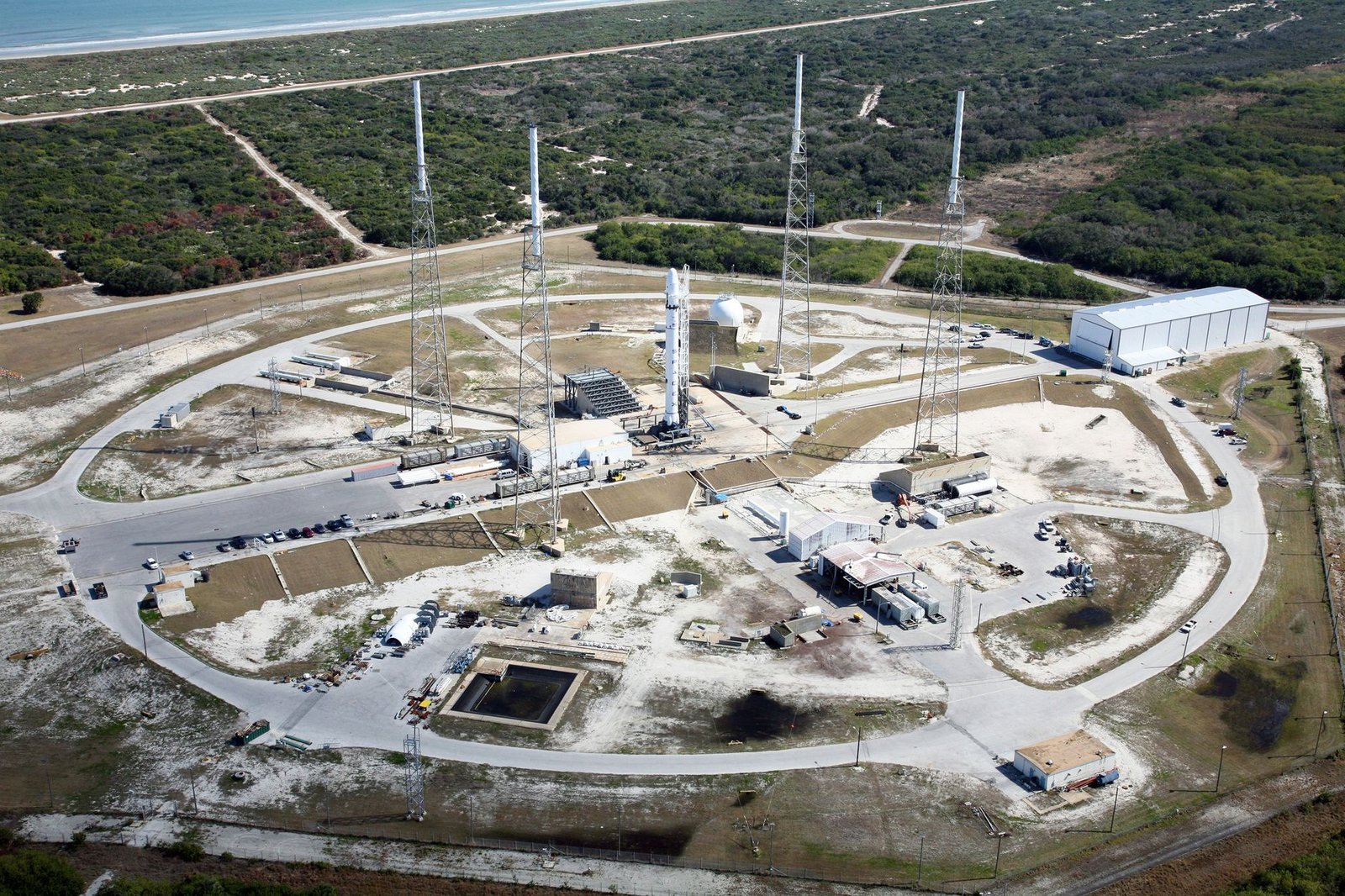
The recently signed presidential memorandum updates the 2013 space transportation directive, dramatically shifting gears. With a high ambition for over 1,000 annual launches, this policy demands not just ambition but infrastructural evolution. The **spaceport**—a designated site for launching spacecraft—is at the heart of this transformation. Imagine a modern airport, but for rockets. These facilities will be strategically located on federal land across the U.S., offering access points to the stars.
The Evolving Launch Sector
The space launch landscape has changed remarkably since 2013. Back then, the launch count was minimal, but we’ve witnessed almost tenfold growth. Last year, SpaceX spearheaded this transformation with an impressive 165 launches of their **Falcon 9 rocket**. The company’s success demonstrates the meteoric pace of technological development and operational expansion within the industry. This sets a vivid precedent for what the country can achieve by 2030.
Facilitating Commercial Expansion
A key element of the new policy is its support for the commercial space industry. Encouraging private sector involvement opens avenues for technological advancements, job creation, and economic growth. The vision is clear: transform outer space into not just an exploration frontier but a thriving commercial realm. Through assured access—having reliable, ongoing routes to and from space—companies can launch more innovations safely and repeatedly.
A Real-World Analogy
Consider the growth in the world of aviation from the early 1900s to the bustling air traffic today. Just as small airfields evolved into international airports that bolster global connectivity, spaceports could revolutionize how humanity interacts with space. These gateways enable more frequent flights, driving down costs, increasing accessibility, and ultimately democratizing space travel and research.
Looking Ahead: AI’s Role in Future Space Endeavors
As we look to the stars, **artificial intelligence** stands poised to play a significant role in optimizing space transportation. From automating launch sequences to ensuring precise landings and managing space traffic, AI will be critical in shaping efficient and safe operations. Imagine AI algorithms mapping the optimal conditions for a launch, predicting potential hazards, and dynamically adjusting protocols for safety and efficiency.
This ambitious space policy, envisioned by Trump, not only underscores the importance of remaining a leader in the current space race but also paints a picture of America prioritizing innovation and exploration. The future of space is bright, and with AI integrating deeper into these systems, the blend of human ingenuity with advanced technology could well be the catalyst for unprecedented cosmic achievements.
