

If you’ve ever used the internet—and who hasn’t—you’ve interacted with Google’s iconic search box. Now, this familiar gateway is undergoing its most significant transformation in over 25 years. The change isn’t just cosmetic; it could redefine how we interact with information online.

Key Takeaways
- Google’s search box is evolving from a text-only input field to a dynamic, AI-driven interface.
- Users can now input text, images, PDFs, videos, and browser tabs directly into the search box.
- AI Overviews and AI Mode are merging to offer a seamless search experience.
- Gemini 3.5 Flash, Google’s latest AI model, powers the new speed and capability of search.
- The redesign prompts significant changes for publishers, advertisers, and SEO professionals.
An Iconic Interface Reimagined
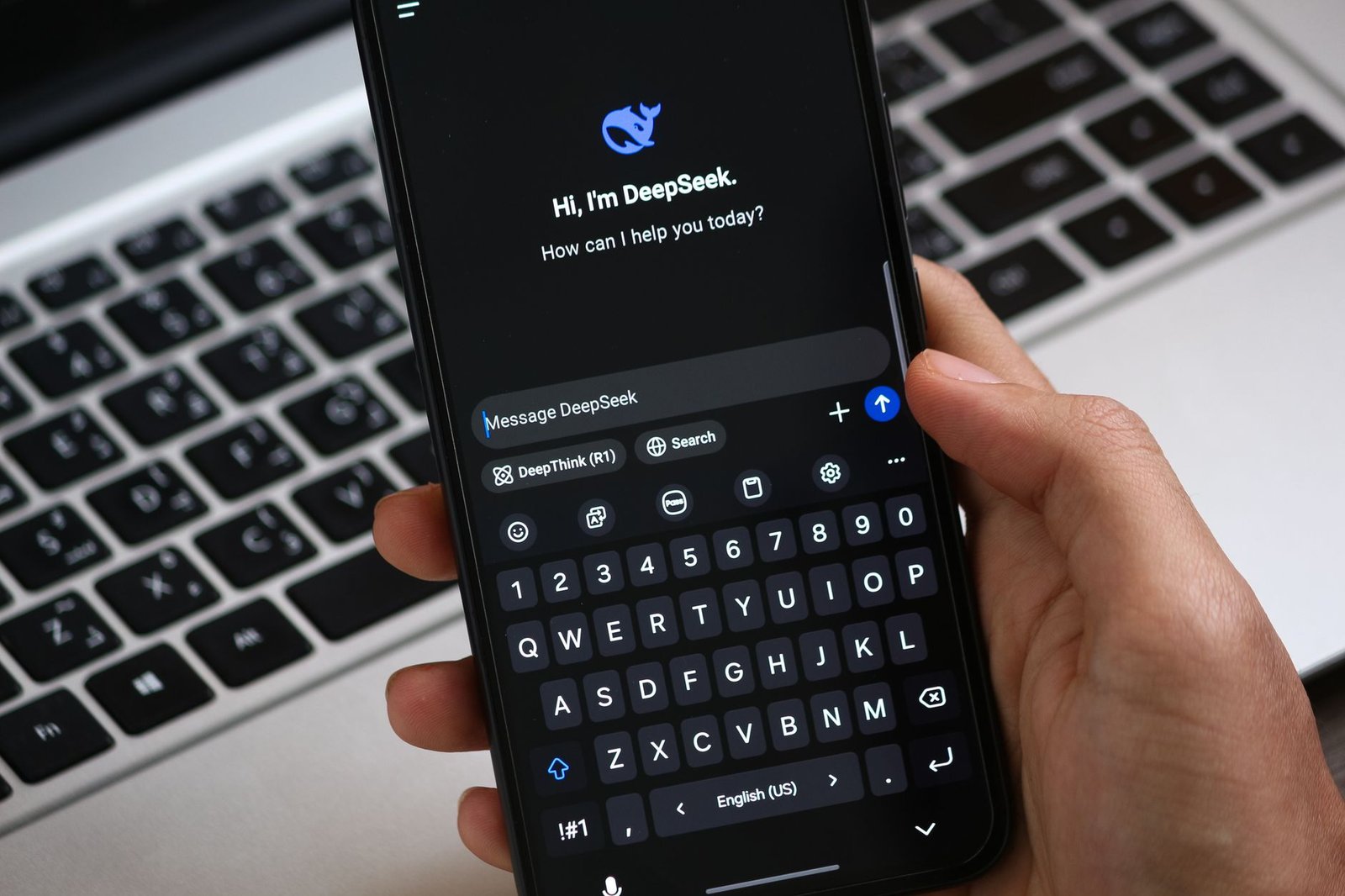
The search box’s iconic narrow rectangle, designed for quick two or three-word queries, is being replaced by a more expansive and interactive version. This new design encourages users to ask detailed questions, reflecting a shift towards more conversational interactions with technology. Imagine a tour guide at a museum, not only answering questions but also suggesting insightful follow-ups to enhance your visit.
The Multimodal Leap
No longer just a keyword field, the search box now supports multimodal inputs. Users can drag and drop files, images, or videos into their queries, greatly broadening the scope of searches. Previously, this functionality was confined to Google’s dedicated AI Mode, requiring additional navigation. Now, it’s conveniently integrated into the main search entry point, streamlining the process.
AI-Powered Query Suggestions
Google’s enhanced search box also introduces a more intelligent query suggestion system. Unlike traditional autocomplete, which predicts common search phrases, this system actively helps in crafting intricate and meaningful questions. It’s like having a skilled coach who guides your research process, ensuring you maximize the depth and breadth of information gathered.
A Unified Search Experience
Beyond the box itself, Google is merging its AI capabilities into a single flow. The merging of AI Overviews—those helpful summaries at the top of search results—with AI Mode allows for a seamless transition between traditional search results and a deeper, discussion-based AI interaction. Users can dive into back-and-forth dialogues with AI without changing interfaces, making for a fluid and engaging search experience.
Powered by Gemini 3.5 Flash
The power behind these features is Gemini 3.5 Flash, Google’s latest AI model. This system is engineered for speed and efficiency, ensuring that AI-driven conversations are as responsive as traditional search experiences. Running faster and more effectively, it supports Google’s ambitious upgrade to its search engine’s capabilities.
From Text to Interactive Visuals
Google’s generative UI is another leap forward, allowing search to create interactive visuals and mini applications on-the-fly. For instance, asking about black holes won’t just yield text results but could generate a visual simulation, helping to clarify complex astronomical phenomena right there on the results page. This technology draws from real-time code generation, offering tailored visual answers to your queries.
Implications for the Digital Ecosystem
The transformation holds profound implications for publishers, SEO experts, and advertisers. As users lean towards full-sentence queries, SEO strategies must shift from simplistic keyword optimization to content that thoroughly answers questions and engages users. This move could redefine how web content is created and ranked.
A Glimpse into the AI-Powered Future
Google’s reimagined search box isn’t merely a redesign; it’s a preparation for the next generation of digital interaction. By inviting us to speak naturally and think broadly, Google sets the stage for a world where AI handles complexity on our behalf. This evolution suggests a future where AI is not just a tool but an integral part of how we gather and process information. As we step into this new era, the way we interact with technology—and each other—may never be the same again.
