




Data centers power the internet, enabling everything from streaming your favorite show to conducting complex AI computations. But as these digital fortresses grow, so do the concerns regarding their environmental impact, efficiency, and sustainability. Curious about how they fit into our future? We’ve got the insights you need.
Key Takeaways
- Data centers are critical for modern technology, handling and storing immense amounts of data.
- They require significant energy resources, raising environmental and sustainability issues.
- Innovations like liquid cooling and renewable energy sources are being explored to reduce their carbon footprint.
- Data centers play a crucial role in the advancement of AI and machine learning capabilities.
- Understanding these facilities helps in appreciating the infrastructure behind our digital lives.
Understanding Data Centers
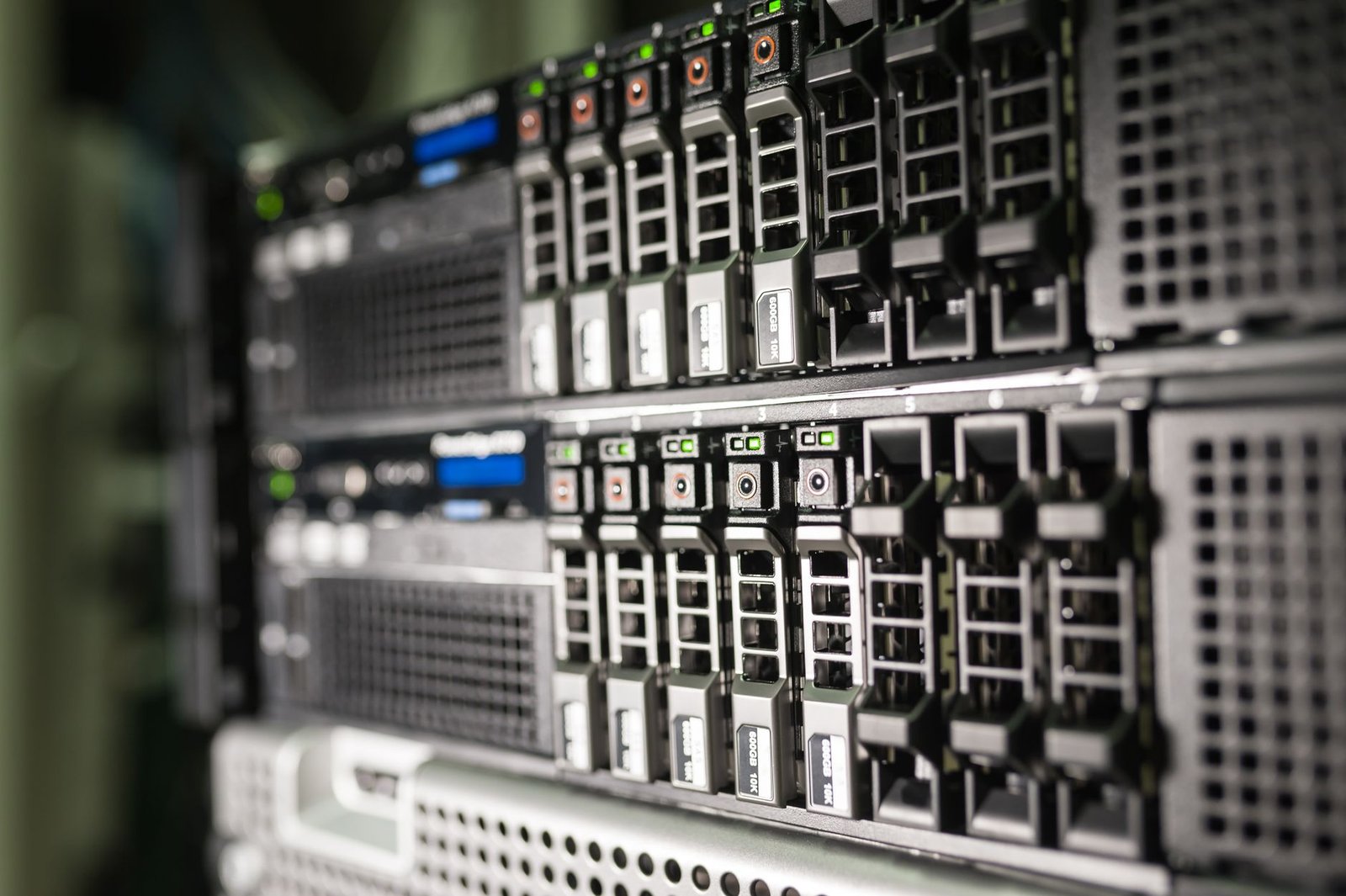
At their core, data centers are facilities used to house computer systems and associated components, such as telecommunications and storage systems. They play a pivotal role in the internet ecosystem, serving as the backbone that supports many digital services.
When you think of how massive amounts of information are processed every second worldwide, it’s the data centers making this possible. For example, every time you upload a photo or stream a video, it travels through a complex network of these centers, reflecting their importance in daily digital operations.
Power and Efficiency Concerns
While data centers are undeniably essential, their energy consumption is a growing concern. They require large amounts of power to operate servers and keep systems cool, often leading to significant carbon emissions. The demand for data storage and processing grows exponentially with the advancement in AI and cloud computing, amplifying these concerns.
Consider this analogy: Think of a data center like a bustling city, where servers are akin to businesses running continuously, demanding resources and attention. Both must manage their energy usage efficiently to avoid adverse effects on the environment.
Innovations Reducing Environmental Impact
To mitigate these impacts, the tech industry is exploring several cutting-edge solutions. One such innovation is liquid cooling, where servers are cooled using specially designed liquids, rather than traditional air. This method enhances energy efficiency, as it requires less power than air cooling systems.
Furthermore, companies are increasingly turning to renewable energy sources. By integrating wind, solar, and hydroelectric energy, they aim to reduce the carbon footprint of data centers. These green technologies are crucial as we move towards a more sustainable digital future.
The Role of Data Centers in AI
Artificial Intelligence thrives on data, needing vast amounts for training models and running algorithms. Data centers provide the computational horsepower required, acting like the unsung heroes behind AI breakthroughs. Whether it’s the development of self-driving car algorithms or natural language processing applications, data centers are indispensable.
AI’s Dependence on Robust Infrastructure
The relationship between AI and data centers is mutually reinforcing. As data centers become more efficient, AI processes can run faster and with greater precision. Conversely, advancements in AI can also contribute to optimizing data center operations, such as predicting maintenance needs or improving energy distribution through intelligent analysis.
Looking ahead, the future of data centers and AI is intertwined. As AI evolves, it necessitates even more powerful data centers, albeit with a push towards sustainability. The challenge will be to balance this growth with ecological stewardship, ensuring these hubs of human ingenuity do not inadvertently contribute to global environmental challenges.
In essence, understanding data centers isn’t just about delving into the technology behind your screen; it’s about appreciating the complex ecosystem that supports our digital and intelligent future. As technology continues to advance, keeping informed about these backend infrastructures is more crucial than ever, promising an exciting journey for tech enthusiasts and professionals alike.
