


Imagine if parts of a powerful AI data center could operate right from the comforts of your home. This intriguing possibility is being explored by a company looking to redefine how we think about AI infrastructure by decentralizing data power.

Key Takeaways
- A solar company is turning homes into mini data centers.
- Participants will be paid to host these compute units.
- This model aims to decentralize AI computational power.
- It could revolutionize the way we view renewable energy and AI synergy.
- This initiative opens new doors for AI infrastructure scaling.
The Intersection of Solar Power and AI Computing
Leading the charge is Sunrun, a dynamic player in the solar and home energy storage industry. Instead of constructing massive AI data centers, Sunrun has taken a novel approach by utilizing existing resources—people’s homes. These homes, equipped with **Sunrun solar panels and battery storage systems**, become the ideal candidates for hosting AI compute units.
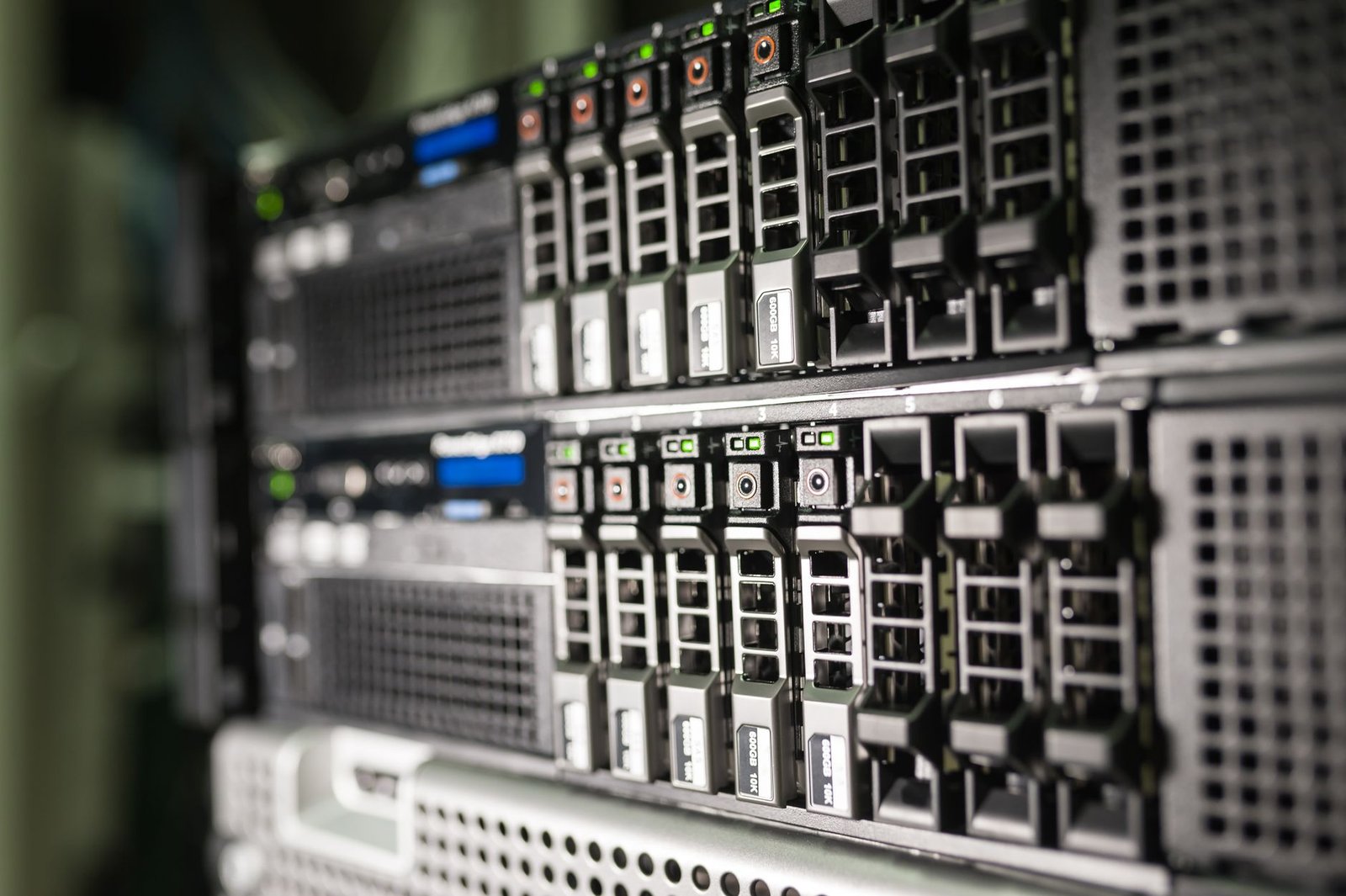
So, how does it work? Homes fitted with Sunrun’s solar technology can join a “distributed AI compute” program. This initiative involves placing **compute nodes**, which are essentially small servers, in each participating residence. These nodes will operate quietly, drawing power from the solar installations, and contribute to a broader computational network.
Participants Become Micro-Data Centers
Homeowners who join the pilot program will receive compensation, effectively allowing them to convert a portion of their dwelling into a mini data center. This payment incentivizes users to offset the personal costs of hosting the compute units, making the venture mutually beneficial.
To put it in simpler terms, envision each participating house as a piece of a much larger puzzle. Individually, each home may only perform a fraction of what a full-scale data center does, but collectively, they form a robust network capable of tackling substantial computational tasks.
An Innovative Solution to AI’s Growing Demands
**Enterprise compute buyers**, such as burgeoning AI companies, stand to benefit from this arrangement. By purchasing distributed computational power, they can support the intensive data processing tasks essential for developing cutting-edge AI algorithms. This model alleviates the need for costly investment in physical infrastructure and fosters a more agile environment for technological advancement.
Relieving the Pressure on Traditional Data Centers
Traditional data centers face escalating demands due to the explosive growth of AI. By outsourcing some of this computational load to residential units, pressure on these data centers can be mitigated. This not only optimizes resource use but also enhances the sustainable footprint of AI endeavors.
Consider comparing this to a smart work-from-home model, where instead of traveling miles to an office, employees contribute to their organizations from their own spaces. Similarly, these home-based compute nodes provide local support to a global AI infrastructure.
The Future of AI and Renewable Energy Synergy
As technology progresses, the blending of AI and renewable energy resources offers a promising avenue. By tapping into existing home energy systems, AI development becomes more sustainable, maximizing energy efficiency while minimizing carbon footprints.
Looking ahead, this initiative by Sunrun could signal a seismic shift in how AI infrastructure is built and maintained. It paves the way for more distributed models that capitalize on the potential of **renewable energy sources** in tandem with advanced computational needs.
This nexus of solar power and AI not only empowers individuals to contribute to technological growth but also sets a precedent for innovative approaches to tackling the infrastructural challenges of emerging technologies. The future is bright with possibilities, and as more homes might soon host pieces of the digital brain of tomorrow, we edge closer to an interconnected and sustainable digital age.
