



In an era where digital giants are pledging to combat climate change, a recent report reveals that Microsoft’s carbon emissions have taken an unexpected turn. This is a story about ambitions, challenges, and the delicate balance tech companies must maintain between growth and sustainability.
Key Takeaways
- Microsoft’s carbon emissions increased by 25% last year, totaling 34 million metric tons.
- The primary cause cited is the expansion of datacenter infrastructure.
- The decision to stop purchasing certain renewable energy certificates influenced this rise.
- Microsoft aims to become carbon negative by 2030, a challenging but crucial goal.
- Understanding emissions and sustainability in tech is vital for future innovations.
Exploring the Surge in Emissions
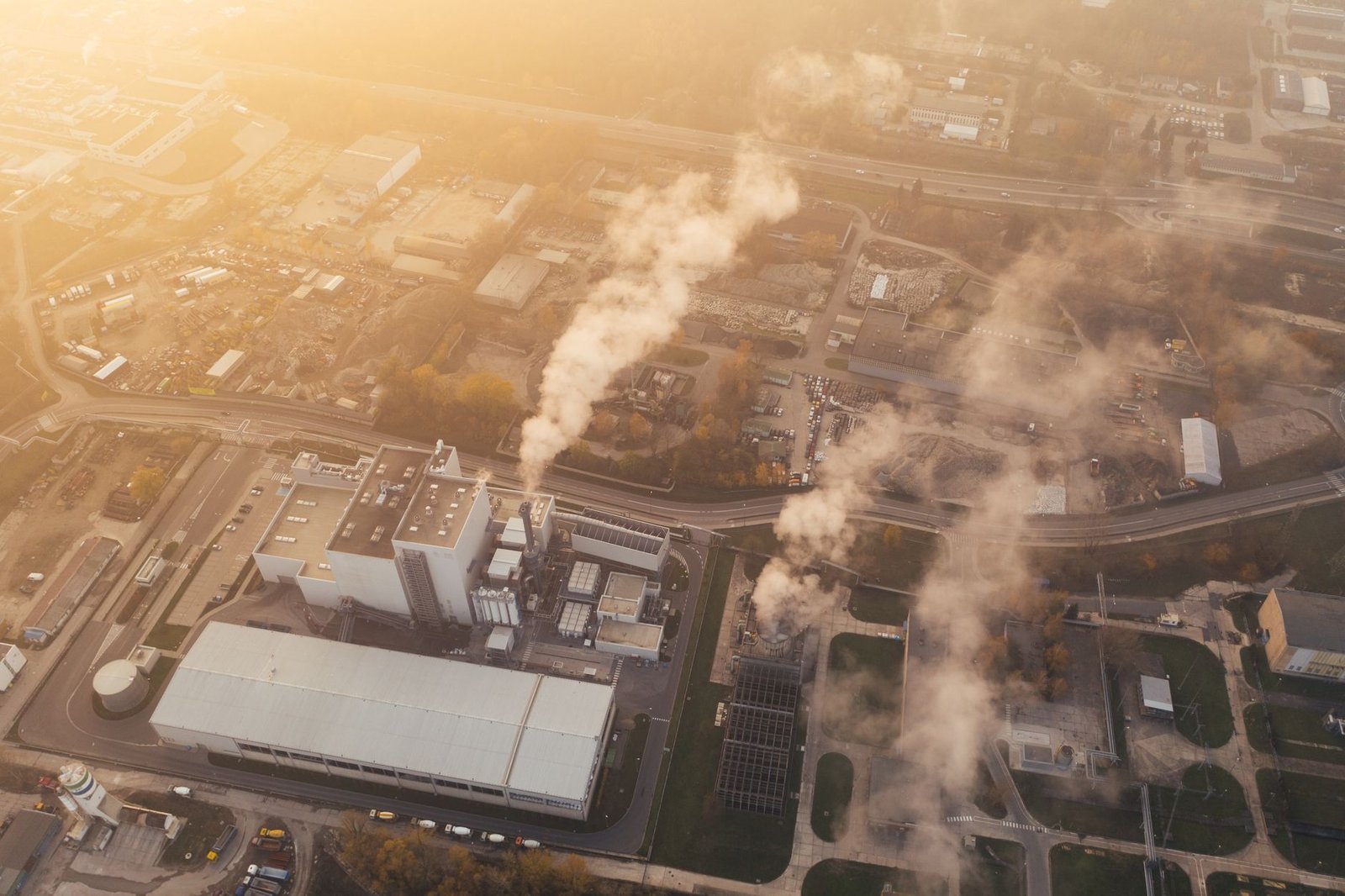
Microsoft’s latest sustainability report, as highlighted by GeekWire, brings attention to a significant 25 percent rise in carbon emissions. This increase is substantial, with emissions reaching an astounding 34 million metric tons. But what exactly drove this spike? The report points primarily to the expansion of the company’s datacenter infrastructure, a crucial backbone in processing and storing the vast amounts of data modern services require.
Understanding Datacenter Impact
Datacenters are like the digital factories of today, hosting information that powers everything from social media to e-commerce. However, the power required to keep these centers running and cool contributes significantly to carbon footprints. As Microsoft scales its infrastructure to meet growing digital demands, emissions naturally rise unless effectively managed.
Renewable Energy Certificates and Market Shifts
In an interesting turn, Microsoft’s emissions strategy was also affected by a change in purchasing strategy for renewable energy certificates (RECs). These certificates allowed companies to claim renewable energy use by supporting clean energy projects. Microsoft decided to phase out non-additional, unbundled RECs, which do not directly add new renewable energy but merely reflect existing production.
Why This Matters
Think of this like buying a ticket to an already scheduled concert instead of funding a new music festival. While the first supports artists financially, the latter actively increases the volume and diversity of the music scene. By aiming for more impactful environmental actions, Microsoft acknowledges the need for change but faces immediate challenges in emission metrics.
Looking Ahead: Carbon Negative by 2030
Despite the recent rise in emissions, Microsoft remains committed to its visionary goal of becoming carbon negative by 2030. This means the company intends to remove more carbon from the atmosphere than it emits, a bold strategy requiring innovative technologies and robust planning.
This ambition reflects a broader industry trend where technology companies are integrating sustainability into their long-term strategies. It’s a reminder that the future of technology is inseparable from the health of our planet.
The Implications for AI and Sustainability
The surge in emissions highlights the complexities involved in merging technological advancement with environmental responsibility. As AI capabilities expand, the infrastructure to support such growth must align with sustainable practices. This balance is crucial, not just for Microsoft, but for the entire tech industry.
In the coming years, AI’s evolution will potentially offer solutions for enhancing energy efficiency and reducing emissions. However, it will also require a careful examination of its environmental footprint. Innovations in AI could spur new methods for monitoring and minimizing the carbon impact, thereby creating a cycle of sustainable technological advancement.
In the end, the path forward is clear: technological progress and environmental stewardship must go hand in hand. As Microsoft and others in the industry navigate these challenges, the outcomes could set important precedents for how AI-driven growth and eco-consciousness can coexist. The choices made today will shape how sustainable our technological futures will be.
