


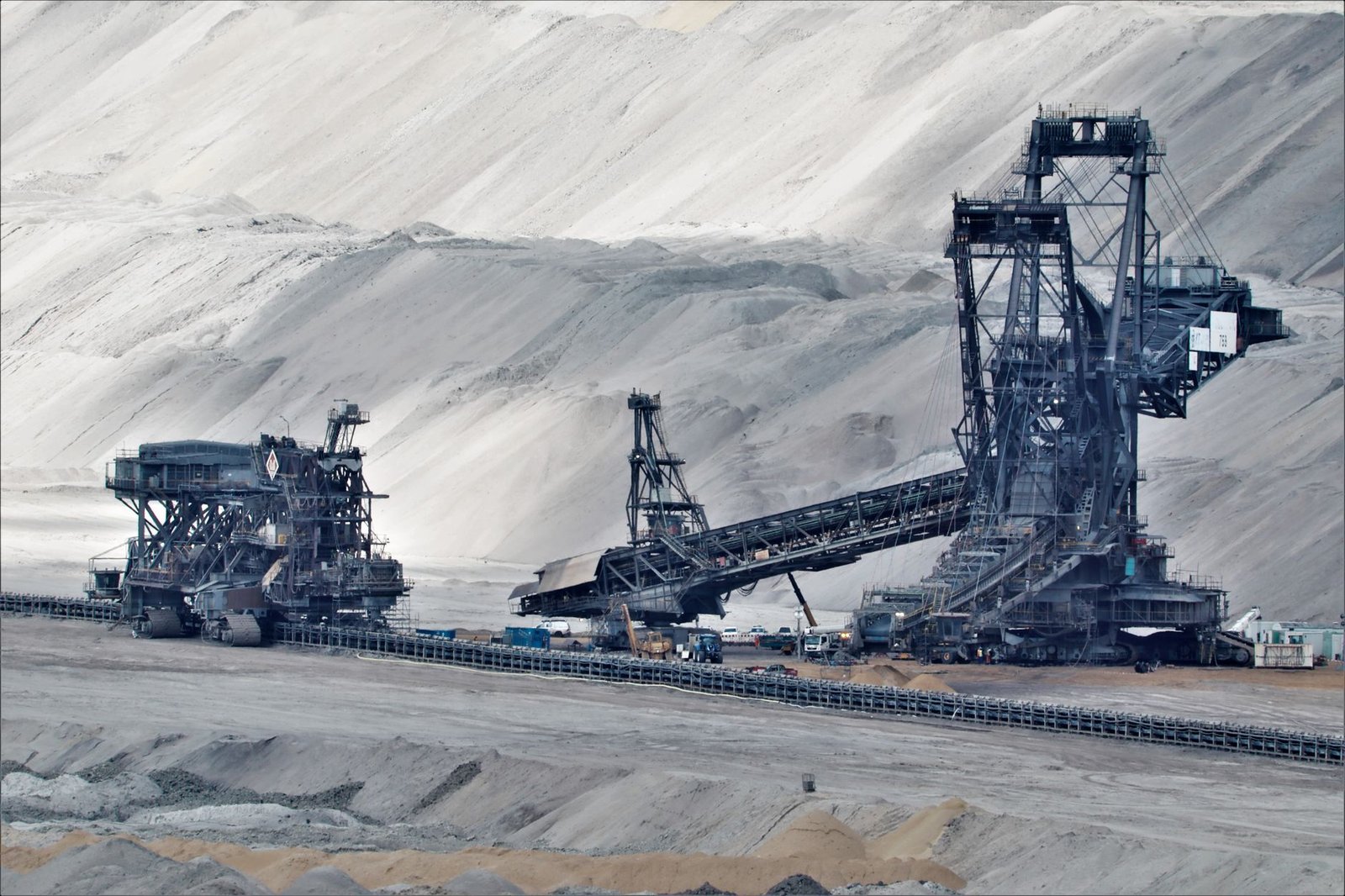
Imagine remotely controlling machines that operate independently, accomplishing tasks that require precision and endurance in extreme environments. This vision isn’t a distant sci-fi dream; it’s how Caterpillar has revolutionized the mining industry over decades. Now, the company is channeling this expertise into the dynamic world of AI deployment.
Key Takeaways
- Caterpillar extends its mining automation experience to AI deployment.
- Autonomous operation knowledge is being adapted for AI solutions.
- The approach promises efficiency and reliability in various industries.
- Technical innovation is crucial for staying competitive in AI development.
- The future of AI draws insights from proven engineering practices.
Digging Deep: From Mining to AI
Decades of pioneering automation at distant mining sites have equipped Caterpillar with a unique set of tools and insights. The task of automating massive machinery to perform in some of the earth’s most challenging environments translates seamlessly into the world of AI deployment. Just as autonomous bulldozers and trucks navigate treacherous terrains without direct human intervention, AI systems can be taught to function autonomously in virtually any setting.
Learning from the Underground
Let’s delve into how Caterpillar’s mining automation informs AI strategies. A crucial aspect of mining automation is creating systems robust enough to tackle unpredictable variables like weather, material density, and equipment fatigue. In the realm of artificial intelligence, these challenges translate to developing highly resilient algorithms capable of handling diverse inputs and unexpected disruptions.
The Mechanics of Automation
At the heart of Caterpillar’s innovation is its extensive expertise in autonomous systems. For an autonomous system, the core principle is to perform tasks without continual human oversight. This involves machine learning algorithms that enable systems to “learn” from patterns and make decisions independently. The same principle applies to AI deployments across various industries:
Adaptation and Learning
Caterpillar’s machines utilize sensors and cameras to assess mining sites, akin to how AI uses data to make informed decisions. Think of it as training a new employee to handle a complex task by gradually giving more responsibilities. Over time, these machines, much like AI systems, become adept at recognizing situations and responding effectively.
Real-World Applications: The Broader Context
Imagine a busy urban environment instead of a remote mining site. Autonomous cars, guided by AI, need to navigate traffic, sudden pedestrian crosswalks, and variable weather, much like the miner’s autonomous drill facing underground hazards. The principles guiding these cars derive from the very foundations developed by companies like Caterpillar for isolated mining operations.
Efficiency and Reliability
Just as efficient operations are critical to mining—where delays can cost millions—AI systems require precise programming and testing to ensure they function reliably. Caterpillar’s lessons from mining automation help inform these processes, increasing the reliability and efficacy of AI solutions in industries ranging from logistics to healthcare.
The Future: New Horizons for AI
Caterpillar’s journey from mines to machines not only showcases adaptability but also highlights a growing trend in AI: leveraging proven industrial practices for technological evolution. As AI technology matures, drawing on the depth of industrial experience like Caterpillar’s will only become more integral. This fusion of industrial grit and digital innovation promises not just advancements in AI, but also safer, smarter, and more resilient operations across the globe.
