


In a significant move to ensure online safety and transparency, the European Union is stepping up efforts to regulate artificial intelligence technologies. With ChatGPT now officially classified as a Very Large Online Search Engine under the EU’s Digital Services Act (DSA), OpenAI will face stricter requirements to mitigate certain risks. But what does this mean for AI as we know it?

Key Takeaways
- ChatGPT is now considered a Very Large Online Search Engine under the EU’s Digital Services Act.
- This classification requires OpenAI to address issues related to minors’ safety, user mental health, and the spread of illegal content.
- Other platforms like Reddit and Roblox have also been given stringent regulations under this act.
- The DSA restricts the use of targeted ads based on sensitive information like sexual orientation and political beliefs.
- These regulations signal a pivotal shift in how AI technologies will be managed in Europe and beyond.
The EU’s Stance on AI Regulation
In recent years, the rapid expansion of AI technologies like ChatGPT has sparked both awe and concern. As these systems grow more prevalent, questions about their impact on user privacy, misinformation, and ethical use have gained traction. Recognizing these challenges, the EU has taken a proactive approach by implementing the Digital Services Act—a comprehensive framework aimed at keeping major online service providers in check.
What Does Being a ‘Very Large Online Search Engine’ Mean?
Under the Digital Services Act, being classified as a Very Large Online Search Engine comes with increased responsibilities. These platforms must now put in place rigorous measures to curb the dissemination of harmful or illegal content. This includes taking steps to safeguard minors and prevent negative impacts on user mental health. Admit it, you’ve probably wondered what would happen if your favorite AI chatbot started offering questionable advice. This regulatory framework aims to prevent such scenarios.
To put this in everyday terms, imagine if your local library suddenly had a vast number of controversial or harmful books. The library staff would need to monitor its collection carefully, possibly even rearranging or removing some books to protect their community. In the same way, OpenAI will need to closely monitor the content and interactions enabled by ChatGPT.
Broader Implications for Other Platforms
ChatGPT is not alone in this new wave of regulation. The European Commission has also categorized platforms like Reddit and Roblox as Very Large Online Platforms. This means these platforms, along with ChatGPT, cannot target ads based on factors such as an individual’s sexual orientation, religion, ethnicity, or political beliefs. This move aims to create a fairer and more transparent digital landscape for users, especially the younger demographic.
The Challenge of Compliance
While regulation aims to protect users, achieving compliance is no easy feat. Platforms have to implement advanced technologies and strategies to identify, flag, and resolve violations—sometimes in real-time. This involves a rigorous blend of automated systems and human oversight, which requires both investment and innovation.
Moreover, companies face a learning curve as they adapt to these new standards. Much like learning to ride a bicycle without training wheels, these platforms must quickly find their balance between technological growth and ethical responsibility.
What This Means for the Future of AI
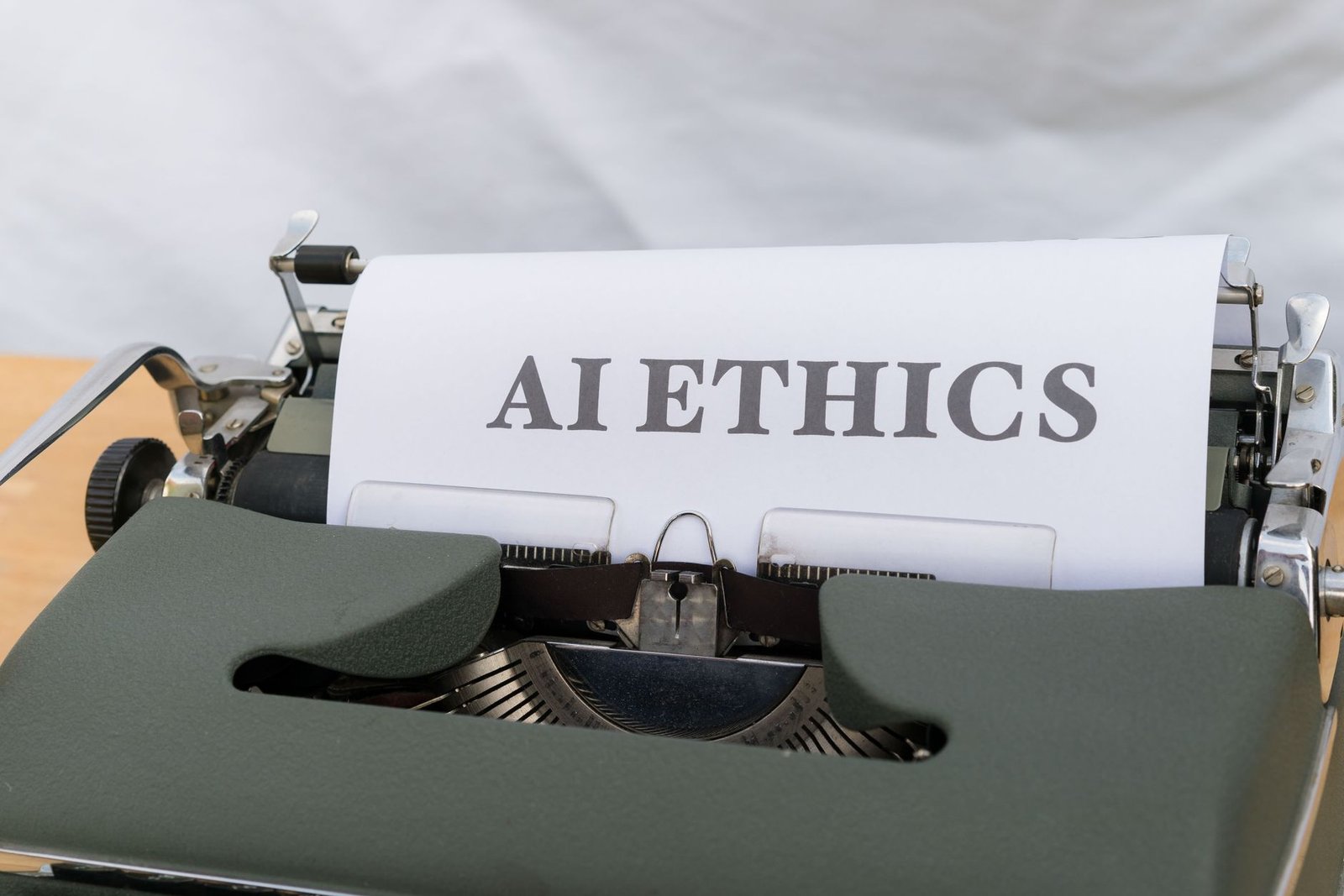
The EU’s stringent approach to AI regulation might present challenges, but it also opens doors for innovation, transparency, and user trust. If executed correctly, these measures could help build a more responsible AI ecosystem, one that respects user privacy and promotes ethical use.
Looking forward, these regulations could set a global benchmark, influencing how other regions perceive and regulate AI technologies. For developers, tech companies, and consumers alike, this evolution signals a new era of accountability, shedding light on a future where AI not only delights but also safeguards. As AI continues to weave itself into the fabric of daily life, staying informed and adaptable will be key to navigating its exciting trajectory.
