




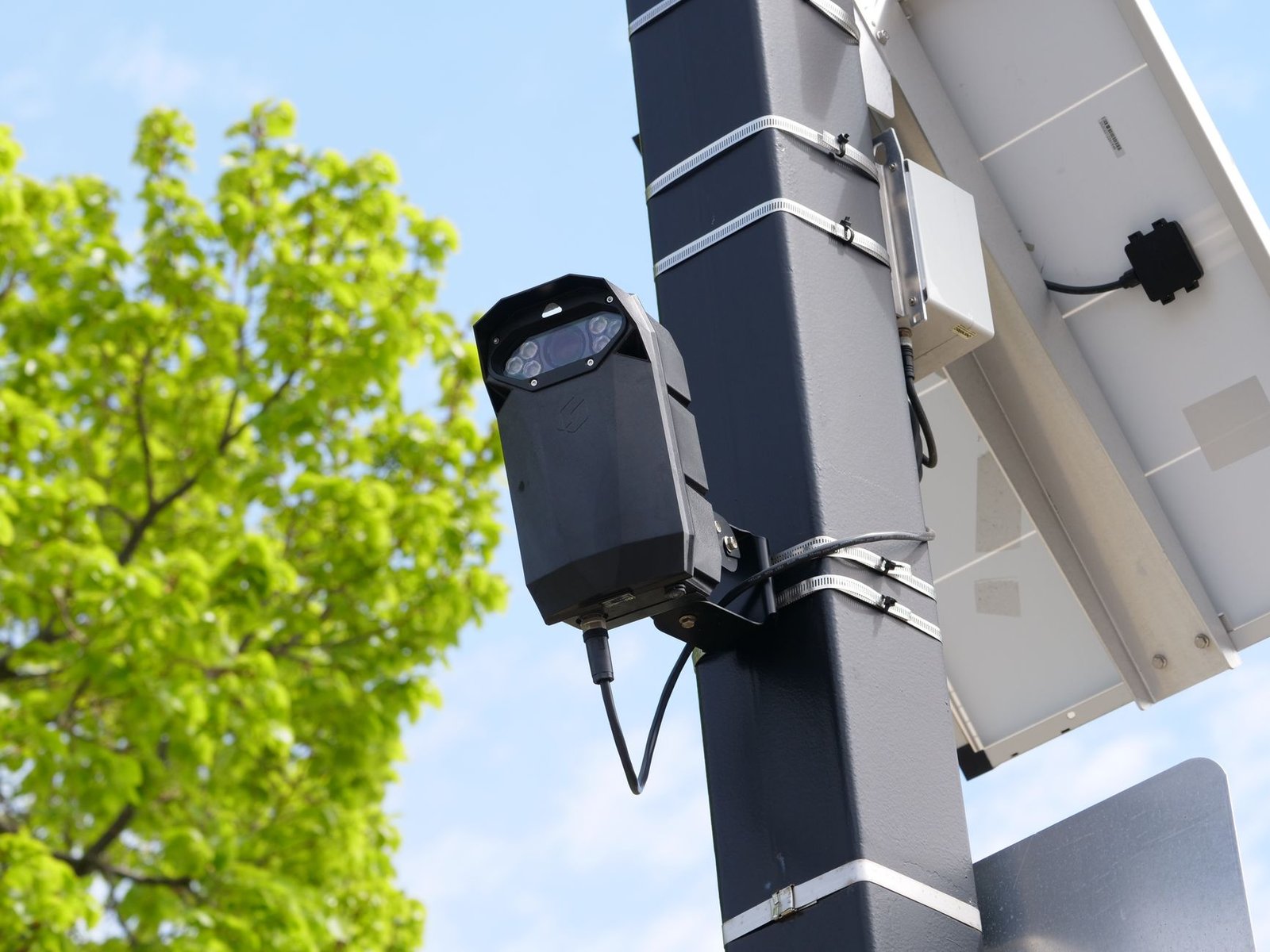
Imagine living in a world where every movement is tracked with pinpoint accuracy, much like scenes from a futuristic movie. For some in Texas, this is becoming a reality with **Flock’s AI surveillance cameras**, powerful tools designed to aid law enforcement but raising significant privacy concerns.
Key Takeaways
- Governor Greg Abbott of Texas has halted state funding for Flock cameras amid privacy debates.
- The state previously allocated over $30 million on these surveillance systems.
- Funding was sourced through a $1 fee added to insurance policies aimed at combating theft.
- Usage of Flock cameras has led to legal and ethical incidents involving law enforcement officers.
- Questions surrounding AI ethics and privacy are influencing policy decisions.
The Controversy Over AI Surveillance
As technology continues to evolve, the line between safety and surveillance grows thinner. The **Flock camera system** was initially introduced to tackle issues like catalytic converter theft, a crime on the rise due to the valuable metals they contain. By integrating **artificial intelligence** (AI), these cameras aim to provide real-time data to law enforcement, effectively acting as electronic eyes across the state.
What Makes Flock Cameras So Powerful?
Flock cameras utilize AI to continuously monitor and record license plates, offering a wealth of data to police officers. This technology enables rapid identification of vehicles involved in crimes, greatly assisting in **criminal investigations**. However, the constant collection of data has sparked fierce debates around **privacy** and misuse.
Funding and Legislative Decisions
Previously, the state of Texas invested more than $30 million into deploying Flock cameras, justified by securitizing funds through a modest $1 fee appended to insurance policies. However, as concerns mounted, Governor Abbott made the decisive move to block additional state funding, influenced by a critical investigation from the Texas Tribune that explored these investments.
The Impact of AI on Policy Making
This decision underscores the growing impact of AI technology on policy-making. While AI systems like Flock promise increased safety, they also present new challenges in terms of misuse and unchecked surveillance. Officers have faced repercussions ranging from administrative leave to criminal charges over the improper utilization of these systems, highlighting the need for strict regulatory measures.
Real-World Implications
Picture an AI system as a double-edged sword: while it can defend, it can also cause unintended harm if not handled correctly. For instance, imagine if AI misidentifies a car and the wrong individual faces false allegations, leading to devastating personal and social consequences. This reality demands a balancing act between leveraging technology for societal good and safeguarding individual freedoms.
The Road Ahead for AI and Privacy
The actions taken in Texas are a clear indicator that as AI technology advances, so too must our frameworks for privacy and ethical use. With surveillance tools becoming smarter and more ubiquitous, society must establish boundaries to guide the ethical deployment of AI-driven systems in public spaces.
As we look to the future, the ongoing debate surrounding AI surveillance could pave the way for more comprehensive legislation and oversight, ensuring these technologies serve humanity’s interests without compromising fundamental rights. The question remains: can we harness the power of AI for security while maintaining the trust and privacy of the public?
