


In today’s rapidly evolving digital landscape, the promise of education transcends geographical boundaries and socio-economic barriers. Yet, stark disparities persist, particularly in underdeveloped areas where access to quality education remains a distant dream for many. As we explore the transformative potential of artificial intelligence (AI), it becomes clear that this cutting-edge technology is not just a tool for innovation; it possesses the capacity to bridge educational gaps and empower underserved communities. In this article, we will delve into the multifaceted role of AI in enhancing educational access, personalizing learning experiences, and equipping learners with the skills they need to thrive in an increasingly interconnected world. Join us as we uncover how AI is reshaping the educational landscape, making knowledge more accessible and ushering in a new era of inclusivity and opportunity.
Table of Contents
- Understanding the Educational Landscape in Underdeveloped Areas
- Harnessing AI Technologies to Enhance Learning Accessibility
- Implementing AI-Driven Solutions: Key Strategies for Success
- Measuring Impact and Scaling AI Initiatives in Education
- Insights and Conclusions
Understanding the Educational Landscape in Underdeveloped Areas
In many underdeveloped regions, the educational landscape is marked by significant challenges that hinder the growth and potential of young minds. Access to quality education remains a crucial issue, often characterized by insufficient infrastructure, limited resources, and a lack of trained educators. Economic constraints, cultural factors, and geographic isolation exacerbate these challenges, creating an environment where students may lack the basic tools necessary for learning. The disparity in educational opportunities contributes to a cycle of poverty, making it difficult for communities to break free from their circumstances. Addressing these issues requires innovative solutions that can adapt to the unique needs of each community.
Emerging technologies, particularly artificial intelligence, hold the promise of transforming educational experiences in these regions. AI can offer personalized learning paths that cater to individual student needs, allowing learners to progress at their own pace. This adaptability is vital in areas where educational resources are scarce. Furthermore, AI-driven platforms can facilitate teacher training and professional development, even in remote locations. By leveraging data analytics, educators can gain insights into student performance, enabling targeted interventions that foster academic growth. The integration of AI in education can serve as a powerful tool for bridging the gaps, helping to unlock potential and cultivate a more educated future for underdeveloped communities.
Harnessing AI Technologies to Enhance Learning Accessibility
As the digital divide continues to hinder educational progress in underdeveloped regions, harnessing artificial intelligence presents unprecedented opportunities for enhancing learning accessibility. AI technologies can tailor educational experiences to meet a diverse range of needs, making lessons adaptable for various learning styles and paces. Key benefits include:
- Personalized Learning: AI can analyze student performance and deliver customized learning paths, ensuring each learner progresses at their own speed.
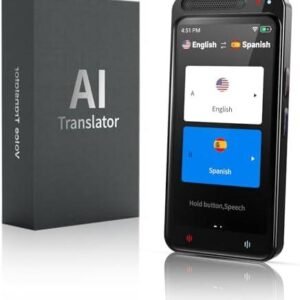
- Language Translation: Real-time translation tools can bridge language barriers, enabling students to access materials in their native tongues.
- Resource Allocation: Predictive analytics can optimize resource distribution, ensuring that educators in underdeveloped areas have access to the materials and technologies they need.
- Virtual Tutoring: AI-powered tutoring systems can provide additional support outside the classroom, giving students instant feedback and guidance.
Implementing AI in education not only has the potential to democratize access to quality learning materials but also fosters a more inclusive environment for students with disabilities. By employing assistive technologies powered by AI, educators can facilitate engagement and improve comprehension among all learners. Examples of these innovations include:
| AI Tool | Functionality |
|---|---|
| Text-to-Speech | Converts written material into spoken word, assisting visually impaired students. |
| Speech Recognition | Transcribes spoken language into text, aiding students with hearing impairments. |
| Adaptive Learning Platforms | Modifies content delivery based on individual student responses and inputs. |
| Gamified Learning | Makes learning interactive and fun, especially for students with attention difficulties. |
Implementing AI-Driven Solutions: Key Strategies for Success
To successfully implement AI-driven solutions in underdeveloped educational areas, it is crucial to first analyze the unique challenges faced by these communities. Understanding local infrastructures, cultural contexts, and technological access can help tailor AI applications to meet specific needs. Key approaches include:
- Community Engagement: Involve local stakeholders in the planning process.
- Customized Learning Platforms: Develop AI systems that cater to varying literacy levels and learning paces.
- Teacher Training: Equip educators with the necessary skills to effectively integrate AI tools into their teaching.
Moreover, leveraging partnerships with tech companies can facilitate resource sharing and provide technical support. Establishing a feedback loop is essential to continuously improve AI solutions based on real-world applications. Consider implementing:
| Strategy | Benefit |
|---|---|
| Data-Driven Insights | Identifies areas for improvement and informs decision-making. |
| Scalability Planning | Ensures that solutions can expand to meet growing demand. |
| Accessible Learning Materials | Provides resources that cater to different learning styles and levels. |
Measuring Impact and Scaling AI Initiatives in Education
To effectively measure the impact of AI initiatives in education, particularly in underdeveloped areas, it is essential to establish clear metrics and benchmarks. These metrics should focus on several key outcomes, including student engagement, academic achievement, and access to resources. By leveraging data analytics, educators and policymakers can assess how AI-driven tools are enhancing learning experiences. Some critical metrics to consider include:
- Improvement in test scores: Analyzing pre- and post-intervention assessments to gauge learning advancements.
- Student feedback: Collecting qualitative data through surveys to understand user satisfaction with AI tools.
- Usage rates: Monitoring the frequency and duration of AI tool engagement among students and teachers.
Scaling these initiatives requires a structured approach to ensure sustainability and accessibility. Collaborative partnerships with local governments, NGOs, and educational institutions are crucial in extending the reach of these technologies. Strategies for scaling could include:
| Strategy | Description |
|---|---|
| Local Training Programs | Empowering teachers with AI training to enhance their teaching methods. |
| Community Engagement | Involving families and local leaders in the implementation process to foster support. |
| Resource Allocation | Ensuring equitable distribution of AI tools and resources across different regions. |
Insights and Conclusions
As we conclude our exploration of the transformative potential of artificial intelligence in bridging educational gaps in underdeveloped areas, it’s clear that technology offers a beacon of hope where traditional resources often falter. By harnessing the power of AI, we can provide personalized learning experiences, enhance access to quality educational materials, and unlock the potential of countless learners who have been left behind.
However, it is crucial that we approach this innovation with a commitment to equity and inclusivity. As we integrate AI into educational frameworks, we must ensure that it serves all students, regardless of their background or circumstances. Stakeholders—governments, NGOs, and tech companies—must collaborate to create sustainable solutions that prioritize local needs and contextual challenges.
Ultimately, the journey toward a more equitable education system is not just about technology; it’s about people. By empowering educators, engaging communities, and placing learners at the heart of the conversation, we can truly redefine what is possible. The road ahead may be complex, but with a collective vision and strategic use of AI, we have the opportunity to turn the tide and foster a brighter future for all.
Thank you for joining us on this journey. Stay tuned for more insights and discussions on how technology can continue to reshape the educational landscape for the better. Your thoughts and experiences are invaluable—let’s keep the conversation going!
