


Imagine a world where artificial intelligence is not just a passive tool but an active digital assistant executing tasks on your behalf. The future of AI-driven applications is closer than ever, as developers can now build and submit apps directly for ChatGPT.
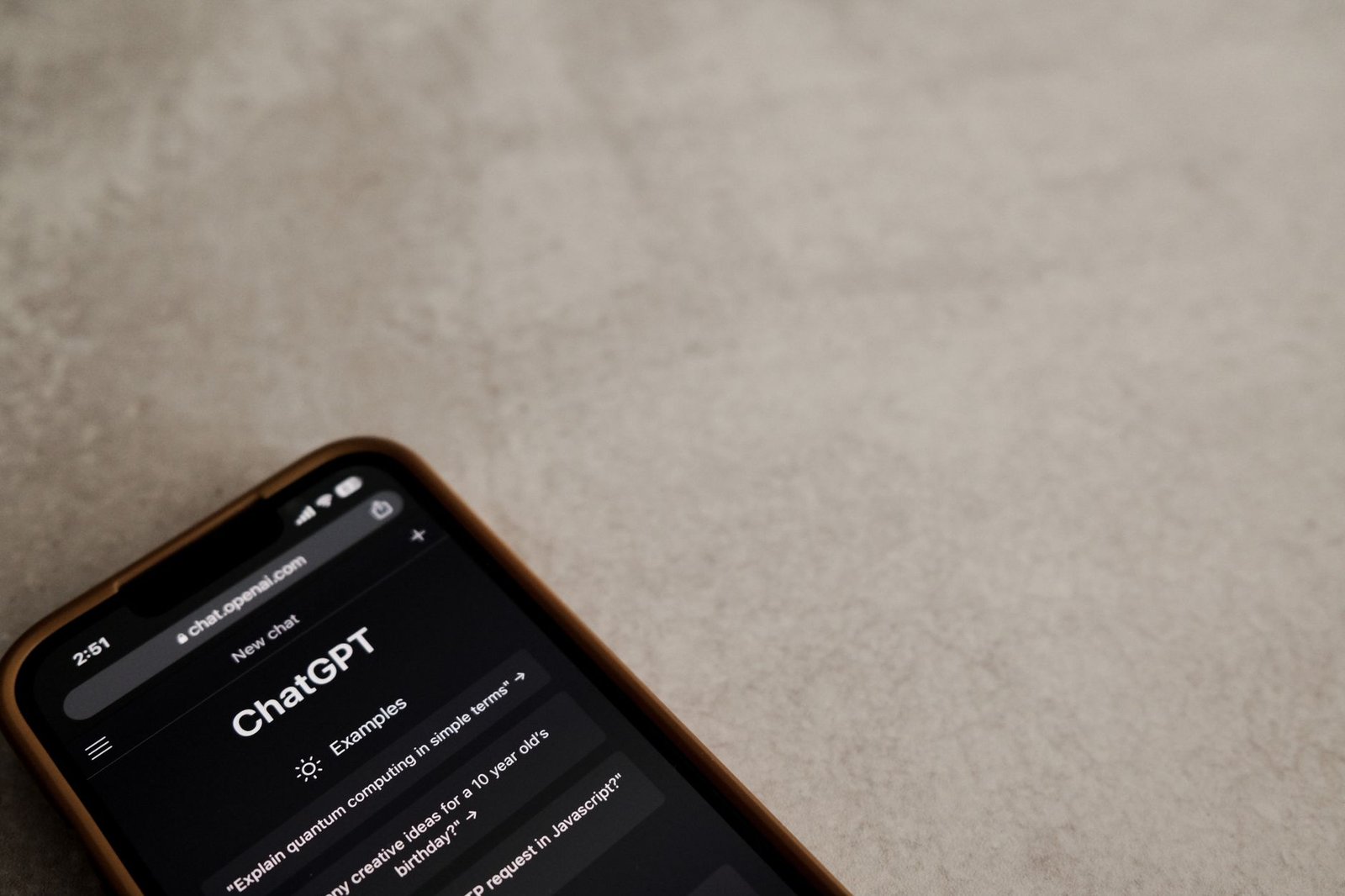
These newly minted apps, once approved, will become part of an in-product directory, making them easily discoverable and accessible to users. Updated guidelines and robust tools, coupled with the enhanced Apps SDK, provide developers with everything needed to craft compelling chat-native experiences.
Key Takeaways
- Approved apps will appear in a new directory for easy user access.
- Updated tools and guidelines support developers in building apps.
- The Apps SDK facilitates the creation of chat-native experiences.
- This development marks a significant step in integrating real-world actions within ChatGPT.
- The move opens new avenues for AI-powered tasks and innovations.
Opening the Door to Innovation
With developers now able to submit their apps to ChatGPT, a new chapter in AI interactivity is being written. This change positions ChatGPT not just as a language model for generating text but as a powerful platform for integrated applications that can perform real-world tasks. As apps become part of ChatGPT’s ecosystem, users will experience a seamless interaction that transcends mere conversation.
Harnessing the Power of the Apps SDK
The enhanced Apps SDK equips developers with sophisticated tools to construct apps that offer chat-native experiences. But what does “chat-native” mean? Think of it as an app that feels uniquely designed for the chat environment, optimizing every interaction to flow naturally as if you’re conversing with a highly skilled assistant.
Developers can leverage this SDK to integrate features that interact with users and carry out tasks autonomously. This development is akin to turning ChatGPT into a digital Swiss Army knife—versatile and capable of executing multiple functions through a single chat interface.
Bringing Real-World Actions into the Digital Space
One of the most exciting possibilities with this new development is the potential for real-world actions. Imagine asking your AI to not only remind you of a meeting but to book a conference room or order catering for the event. These kinds of tasks, effortlessly integrated into everyday chat with ChatGPT, transform it from a conversational model to an actionable ally.
An analogous situation is the concept of smart homes, where a central hub controls various connected devices. ChatGPT aims to be that central hub in the digital communication realm, streamlining multiple apps into one cohesive, chat-based interface.
Implications for Developers and Users
For developers, this means a new platform to showcase innovation and creativity. They have the opportunity to design apps that enhance productivity, solve problems, and bring fresh dynamics to personal and professional life. With updated guidelines simplifying the submission and review process, developers can focus on the creative aspects and user experience.
Users benefit immensely as well. The availability of bespoke apps tailored to meet specific needs will make ChatGPT not just a source of information but a proactive problem-solver. As more apps are submitted and approved, users can look forward to a continuously evolving ecosystem that enhances the capabilities of AI beyond our current imaginings.
The Future of AI-Enabled Experiences
The integration of app submission into ChatGPT heralds a transformative era in artificial intelligence. It paves the way for diverse applications, each capable of unique tasks, tied together under the unified interface of ChatGPT. This fusion of innovation and interactivity promises a future where AI doesn’t just learn from us but works alongside us, effectively and efficiently.
As we look ahead, the potential for developers to consistently push the boundaries of what AI can achieve is boundless. The capability to carry out real-world actions via chat-native apps will redefine user expectations and spur even more ambitious visions for AI’s role in our everyday lives.
