



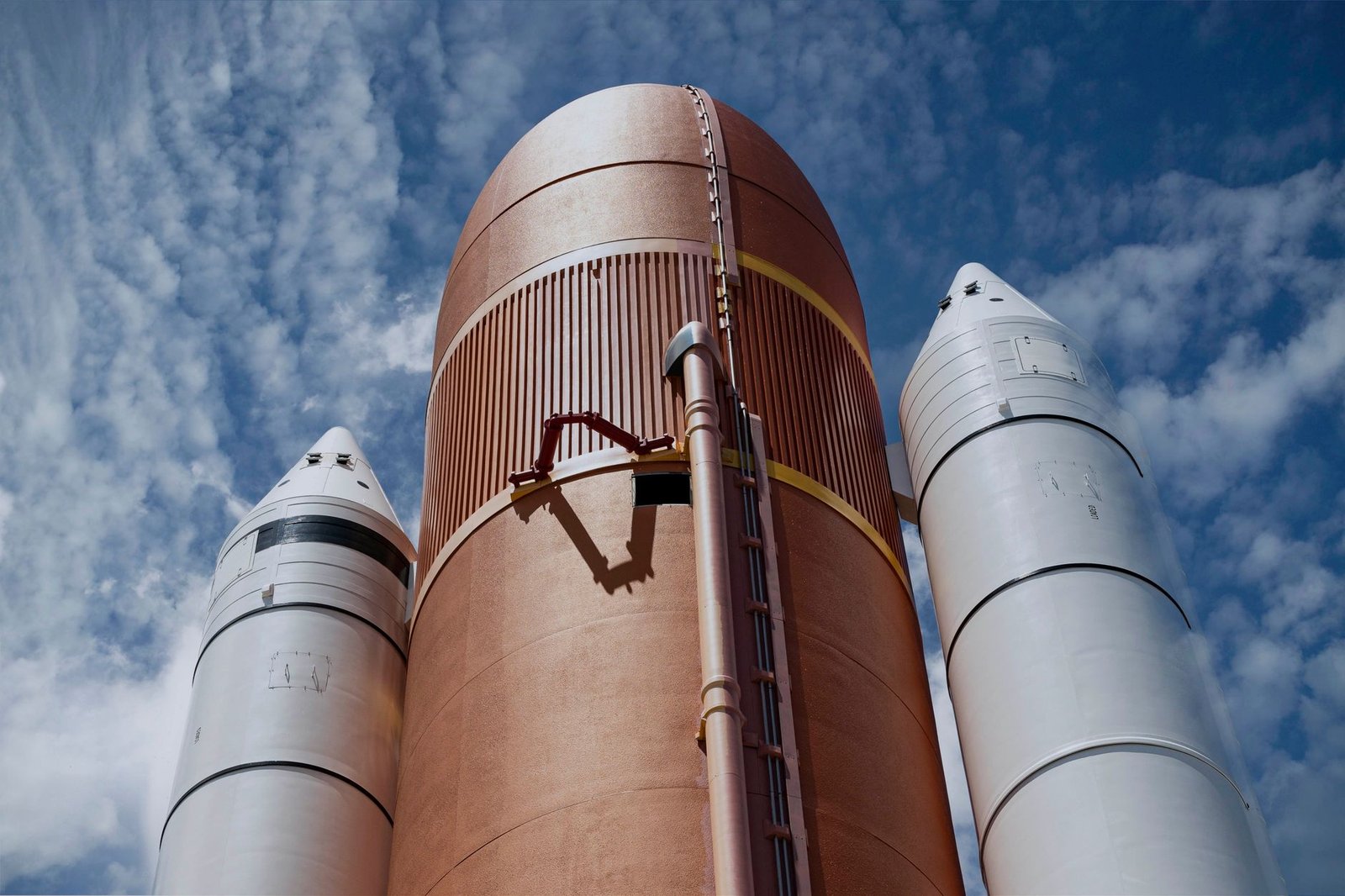
The rapidly evolving landscape of space launches offers a captivating glimpse into both technological prowess and economic strategy. At the heart of this transformation is SpaceX, a company that has not only reshaped rocket science but has also drastically altered the economics of reaching the stars. How did one company so decisively dominate, and what does this mean for Europe and its launch ambitions?
Key Takeaways:
- SpaceX has transformed the global launch market by routinely reusing rockets.
- The Falcon 9 rocket’s innovations have significantly reduced launch costs.
- SpaceX’s dominance presents challenges and opportunities for European space efforts.
- The integration of AI could further revolutionize space launches globally.
A New Era in Rocket Engineering
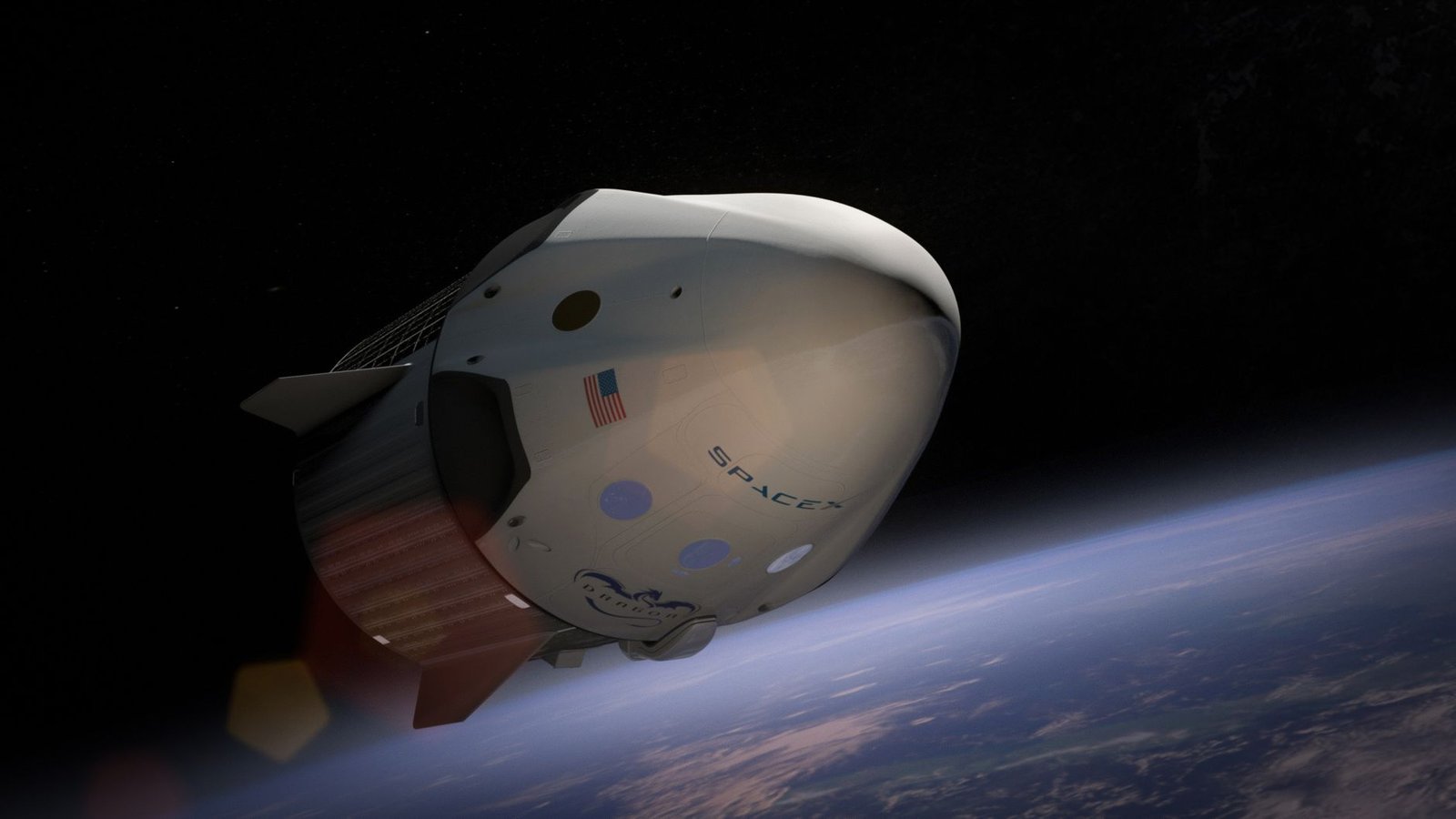
A little over a decade ago, rockets were single-use machines, much like throwing away a plane after every flight. **SpaceX**, however, ushered in a **new era of rocket engineering** by mastering the challenging feat of landing and reusing rocket stages. The **Falcon 9 rocket**, in particular, has become emblematic of this efficiency, allowing SpaceX to offer more frequent and affordable launches.
Breaking Down Falcon 9’s Impact
The implications of the Falcon 9 rocket are monumental. By understanding its influence, we gain insights into the broader shifts in the space industry. This rocket has enabled SpaceX to launch payloads, which include the company’s own Starlink **satellites** as well as those of competitors like Amazon and OneWeb. Indeed, over 75% of all mass sent into orbit is now carried by SpaceX, demonstrating an economic hub-and-spoke model in space transport.
Economic Ripple Effects and European Challenges
The affordability and flexibility offered by SpaceX put Europe in a precarious position, akin to being between a **”rock and a hard place.”** European nations, historically leaders in space exploration, face pressures as they lack equivalent alternatives offering low-cost, high-frequency launches. This dependency also raises questions about strategic autonomy and innovation in European space strategies.
A Practical Example
Consider how airplanes revolutionized travel by reducing costs and increasing flight frequency. They transformed how we perceive distance and logistics. Similarly, SpaceX’s model significantly broadens access to space, making ventures feasible that were previously prohibitively expensive. This exemplifies how technology can democratize access to once-exclusive domains.
The Role of AI in the Future of Space Exploration
As we look forward, **AI will undeniably play a pivotal role** in this ongoing transformation. AI systems can optimize **launch sequences**, analyze immense data sets from satellite sensors, and even enhance the safety and precision of spacecraft operations. The integration of AI in the space industry could accelerate innovation and offer even more cost-effective and reliable space access.
In conclusion, while Europe’s space ambitions face considerable challenges, they also encounter an opportunity to leapfrog into a future where **AI and reusable technology** are integral parts of space missions. The landscape forged by SpaceX is both a model and a call to action, urging the world to rethink and revitalize how we reach for the stars. The future promises exciting advancements as AI continues to push the boundaries of what is possible, expanding our capacity to explore and understand the cosmos.
