


The AI coding landscape is rapidly evolving with the advent of free and versatile tools. While Claude Code offers comprehensive AI capabilities, it’s Goose — a new open-source contender — that could redefine the field, delivering similar functionalities at zero cost.
Key Takeaways
- Claude Code’s price points may deter many developers.
- Goose, backed by Block, is a cost-free, locally run alternative.
- Developers can maintain data privacy with Goose, unlike cloud-dependent solutions.
- Setting up Goose may require technical know-how but empowers user control.
- The rapid advancement of open-source models challenges proprietary solutions.
The Pricing Paradox in AI Tools
The promise of AI coding tools like **Claude Code** is enticing: seamless autonomous coding, debugging, and deployment. Yet, the steep monthly fees — ranging from $20 to $200 — are a significant barrier for developers, especially when considering the restrictive usage limits. This sentiment has crystallized into a backlash, with many turning to Goose for a cost-free solution.
Introducing Goose: AI on Your Terms
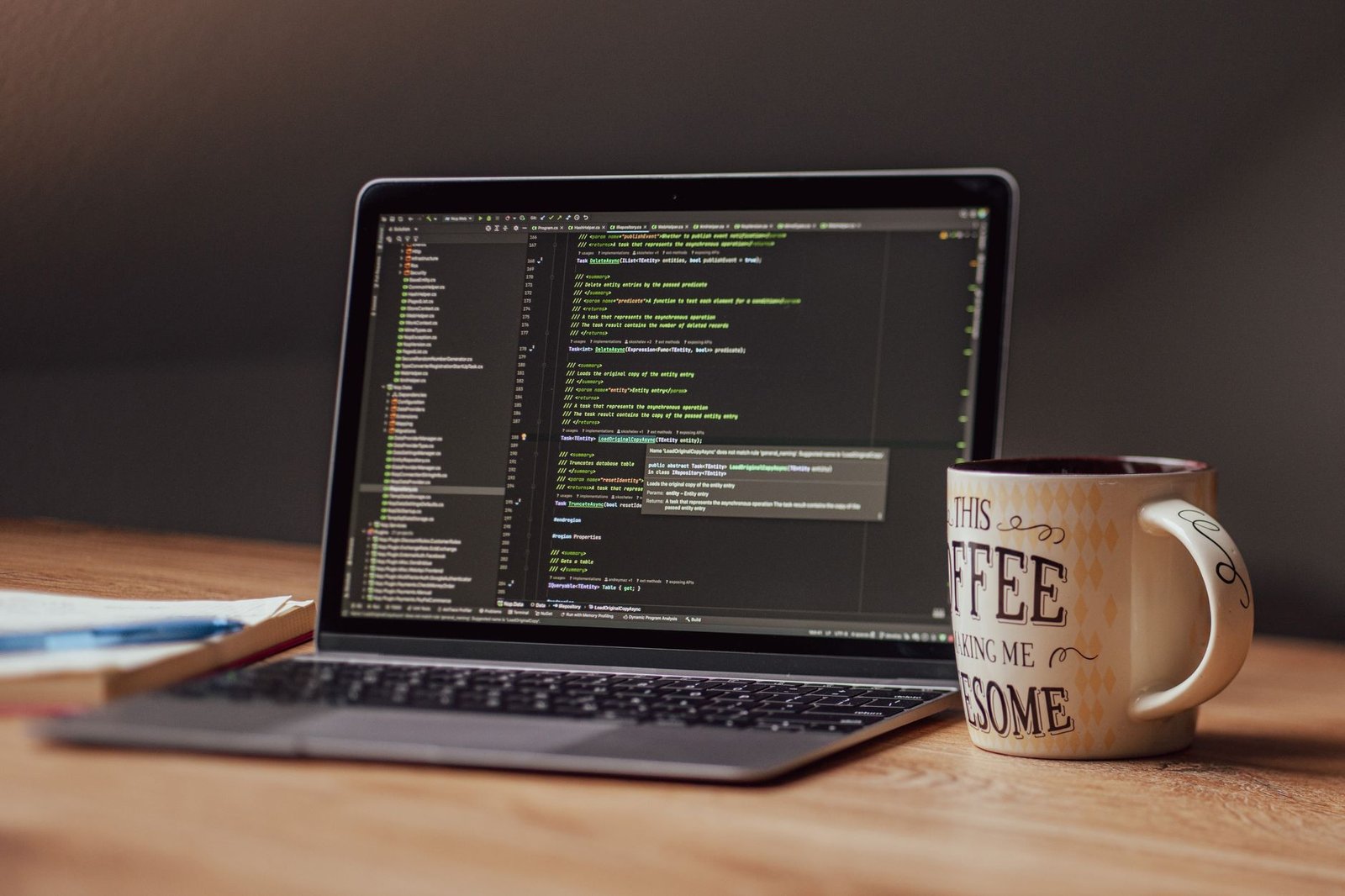
**Goose**, developed by Block, operates as an “on-machine AI agent.” Unlike its cloud-reliant counterparts, Goose runs locally, using open-source language models you can control. This means no subscription fees, cloud dependencies, or data leaving your device. As Parth Sareen, a software engineer, showcased, Goose allows developers to work offline — even mid-flight.
Embracing Local Computation
Establishing Goose entails integrating it with **Ollama**, which supports running large language models on personal devices without external dependencies. Think of it as transforming your computer into a self-sufficient powerhouse. Users can opt for models from Anthropic, OpenAI, or Google, among others, offering a customizable coding experience tailored to their resources.
Real-World Impact
Consider the flexibility this affords: a developer can code during a transoceanic flight without Wi-Fi, maintaining productivity outside traditional internet constraints. This autonomy is akin to choosing between renting standard equipment and owning customizable gear for personal use.
Building Goose: Steps to Self-Sufficiency
Getting Goose up and running involves a straightforward process. First, install Ollama to manage local model operations, then download Goose as either a desktop app or a command-line interface. Finally, connect Goose to the chosen local model using provided configurations. This setup, while demanding initial effort, grants long-term freedom from subscription fees and data concerns.
The Future of AI Coding Tools
The paradigm shift Goose represents hints a broader trend: a shift toward open-source models that democratize high-caliber AI functionalities. While Claude Code sports cutting-edge models like **Claude 4.5 Opus**, Goose’s model-agnostic architecture lays a foundation for ongoing innovation and adaptability. As open-source capabilities improve, the balance of power in AI development might tip.
As AI tools evolve, the landscape will increasingly emphasize accessibility and decentralized control. The presence of a competitive, no-cost alternative like Goose not only challenges existing norms but also promises a future where developers retain ownership of their tools and data.
