


Imagine being in the midst of a heated election season, where every word and image on your screen could sway your vote. Now, visualize if political parties could dictate the cost of conveying their messages. That’s the essence of a case the **Republican campaign committees** are taking all the way to the Supreme Court, seeking lower prices for election ads on broadcast TV.

Key Takeaways
- Republican campaign committees aim for reduced election ad prices on broadcast TV.
- The dispute involves the definition and benefits of the “lowest unit charge” (LUC).
- The Federal Communications Commission (FCC) previously extended LUC to political parties, which a court ruled against.
- If successful, the case could alter the financial dynamics of election advertising.
- This decision might influence AI’s role in future political advertising strategies.
The Core Issue: Understanding Lowest Unit Charge (LUC)
At the heart of this legal tug-of-war is the **Lowest Unit Charge (LUC)** policy. Essentially, during the crucial **60 days leading up to an election**, this policy compels broadcasters to offer the cheapest ad rates to individual political candidates. The intention? Level the playing field so candidates have the opportunity to appeal to voters without amassing exorbitant funds.
FCC’s Expansive Interpretation
Under the **Trump administration**, the Federal Communications Commission expanded this discount to include political parties and joint fundraising committees. This move was significant because such groups can raise and spend substantially more than individual candidates. Imagine a supermarket offering the best discounts to big chain stores, not just to individual shoppers—it changes the marketplace dynamics entirely.
Court Challenges and Rulings
However, this extension met with resistance. **Four Democratic candidates** contested the FCC’s ruling, and their challenge found favor in the **US Court of Appeals for the 4th Circuit**. The court panel decided that the FCC’s directive clashed with the straightforward wording of existing US law, which strictly pertained to individual candidates, not parties.
The Path to the Supreme Court
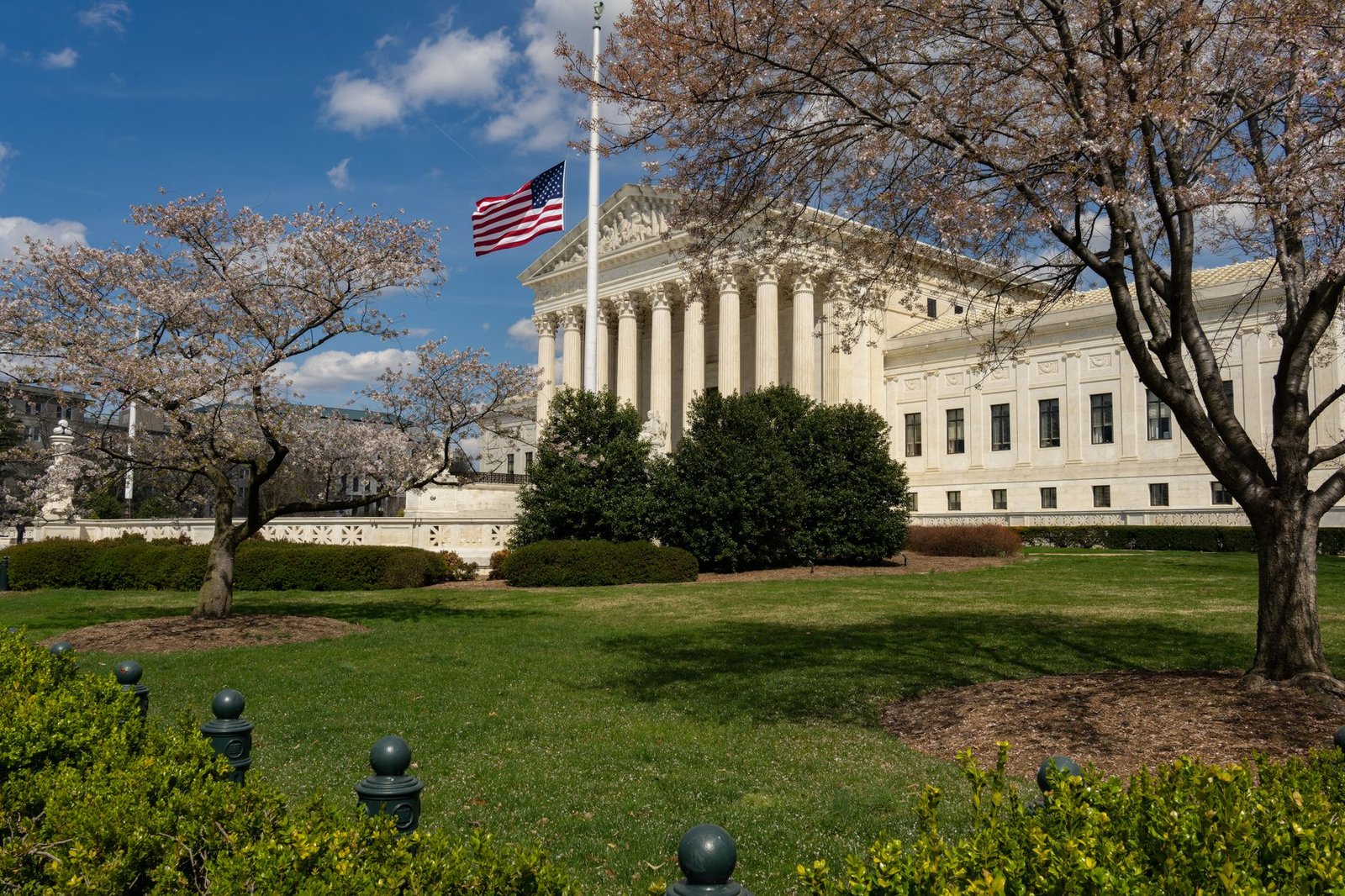
The Republican campaign committees are now urging the Supreme Court to enforce these discounts for political parties. If the court sides with them, it might pave the way for sweeping changes in how political campaigns manage and distribute their advertising budgets.
Real-World Implications
To bring this into a real-world analogy: consider the advertising industry as a bustling marketplace. Candidates and political parties are like vendors, each trying to catch the most attention. The LUC ensures even the smallest vendors (individual candidates) can pitch their products effectively without being overshadowed by retail giants (political parties) who have deeper pockets.
What This Means for the Future of AI in Politics
Should the Supreme Court rule in favor of the Republican committees, this could reshape the landscape of political commercials, potentially increasing the reliance on **artificial intelligence** for crafting increasingly targeted and cost-effective ad campaigns. AI could play a pivotal role in optimizing ad spend by predicting audience reactions and adjusting strategies in real time.
Looking ahead, as the integration of AI with election advertising becomes more prevalent, the ways in which campaigns communicate with the public might transform, becoming more personalized and data-driven. This evolution could redefine political outreach and engagement, ultimately influencing how democratic processes unfold in the digital age.
