



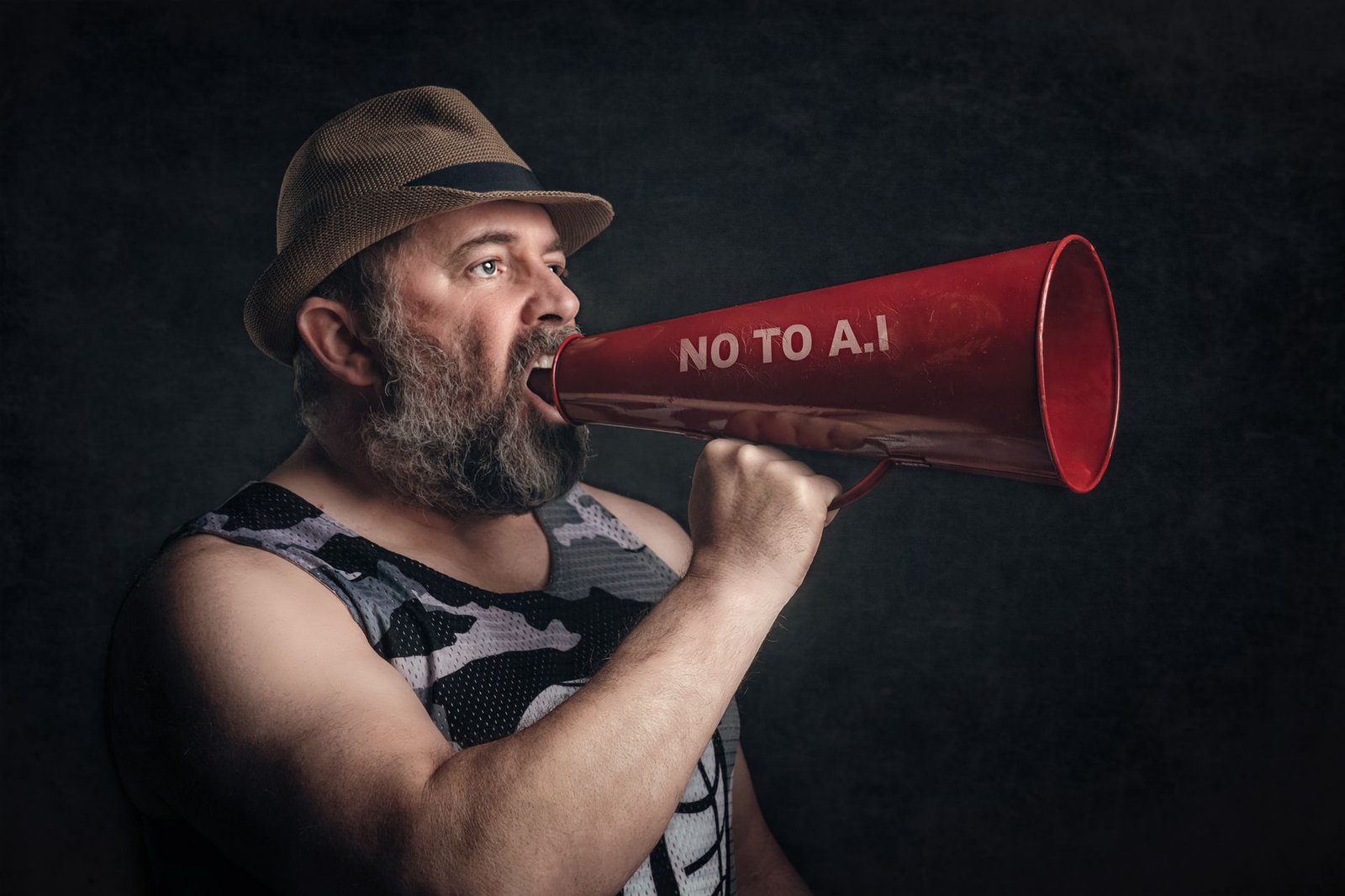
In a high-stakes showdown that mingled AI aspirations with political ambitions, New York found itself hosting an unexpected proxy war, where cutting-edge technology and political strategy intertwined with an intense backdrop of a $27 million congressional race. As the dust settled, a surprising outcome emerged—leaving tech giants, politicians, and AI enthusiasts pondering the consequences.

Key Takeaways
- A political battle between Anthropic and OpenAI ended without a decisive winner.
- Alex Bores, known for the high-profile RAISE Act, narrowly lost in New York’s 12th Congressional District.
- The involvement of a pro-AI super PAC highlighted AI’s growing influence in politics.
- Bores’ legislative efforts put a spotlight on AI safety and regulation.
- The race underscores the evolving relationship between technology and policy-making.
The Background of a High-Stakes Contest
Alex Bores, an Assemblyman and former tech worker, entered the political landscape with a mission to bridge the gap between emerging technologies and public policy. His most notable achievement, the RAISE Act, introduced stringent safety requirements and guardrails for AI companies, aiming to ensure these technologies developed safely and responsibly. Though his bill was met with applause from consumer advocates, it drew sharp criticism from certain Silicon Valley powerhouses and became a focal point in his recent congressional race.
A Million-Dollar Proxy War
The dramatic congressional race escalated into a proxy war between two major AI players—Anthropic and OpenAI. These organizations, both front-runners in AI research and application, indirectly clashed through political endorsements and super PACs—political action committees that can raise unlimited sums of money from corporations and individuals. Anthropic and OpenAI used Leading the Future, a super PAC with a staggering $100 million behind it, to support candidates aligned with their visions of AI’s integration into society.
Tech and Politics: An Uncertain Alliance
Though technologies like AI can revolutionize many sectors, their rapid deployment outpaces regulatory frameworks, creating an imperative for swift, capable governance. Bores’ legislative maneuvers, especially the RAISE Act, tried to address this gap by implementing essential safety standards for AI development. However, the involvement of Leading the Future in opposition to such measures illustrates a key tension: while some advocate for expansive, unregulated innovation, others prioritize safety and responsibility.
The Real-World Implications
Picture a scenario analogous to the historical arms race, where innovation is pursued relentlessly, often overshadowed by the urgency to develop safeguards. Bores’ efforts allude to this balancing act: encouraging technological advancement while preventing potential risks. The political battle in New York’s 12th District is a microcosm of this ongoing debate—one that questions whether regulation stifles exploration or ensures safer horizons.
What’s Next for AI and Politics?
In the aftermath of this politically charged event, the lines between AI ambitions and legislative actions promise to grow only murkier. As AI technology continues its rapid evolution, expect more intersections of high-tech influence in the political theater. New frameworks similar to the RAISE Act may soon emerge on a national level, spearheaded by politicians on both sides of the aisle, trying to navigate—and perhaps co-opt—the AI narrative.
Ultimately, this New York race encapsulates a broader trend: AI is no longer just technology—it’s profoundly political. For tech and policy to coexist harmoniously, innovation must be tempered with thoughtful regulation. This recent electoral draw not only signals a need for clearer pathways but also foreshadows increasingly dynamic, AI-driven discourse in political realms.
