



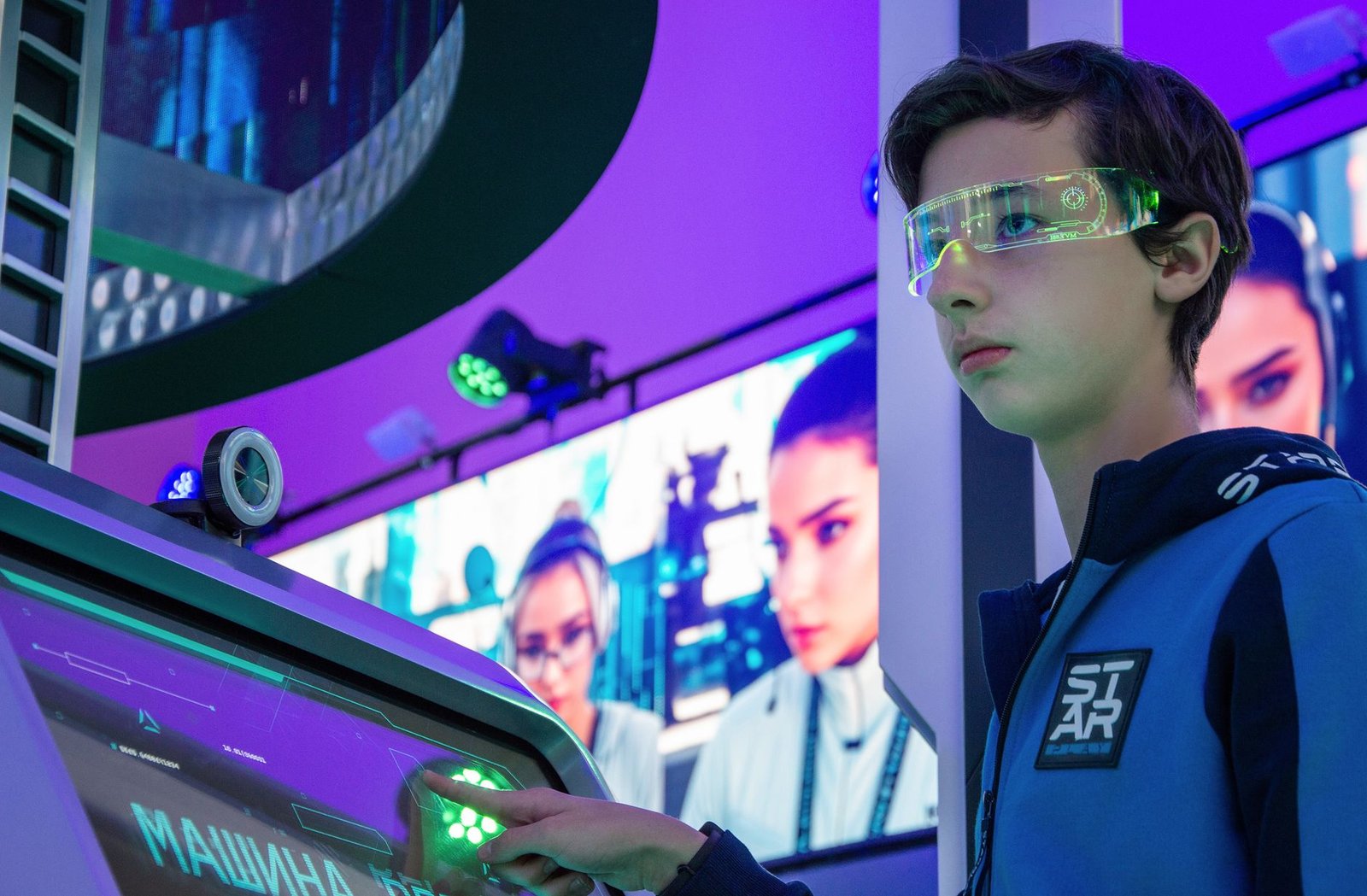
Imagine a future where technology seamlessly integrates with our daily lives, providing us with an enhanced view of the world. Halliday’s Gen 2 smart glasses are striving toward this reality. Having experienced the first generation, I was left unimpressed, but these upgraded glasses have certainly caught my attention.

- **Improved Display**: The second-generation smart glasses feature a vastly enhanced display experience.
- **User-Friendly Design**: Say goodbye to the finicky display issues of the past.
- **Augmented Reality Integration**: Offers practical applications for everyday tasks.
- **Comfort and Usability**: Optimized for longer use without strain.
- **Future Innovations**: Paving the way for smarter AR glasses in the AI landscape.
The Evolution of Halliday Smart Glasses
The leap from Halliday’s first-gen glasses to the Gen 2 model is remarkable. At CES 2025, the initial version showcased potential yet suffered from an awkward display. This flaw made it challenging for users to engage with the content without discomfort.
A Display Revolution
The **Gen 2** glasses introduce a **much-improved display**. Gone is the small, movable window that often left users frustrated. Instead, they have transitioned to a more traditional and user-friendly **screen embedded into the lens itself**. This change not only improves visibility but also dramatically enhances the overall user experience. No longer are we dealing with eye strain after brief use; the new design promotes comfort.
User-Centric Design: A Step Forward
One of the most appealing aspects of the Gen 2 smart glasses is their **user-centric design**. They focus on practicality, which sets them apart from their predecessor. This isn’t just an upgrade; it’s a complete redesign with the user in mind.
Tangibility in Everyday Life
Consider using your smart glasses to **navigate city streets** with seamless AR overlays guiding you or receiving real-time information about the world around you without taking out your smartphone. These applications make the use of such technology not only viable but essential in future urban environments. Picture an architect overlaying 3D models on a construction site or a teacher using interactive lessons in an outdoor classroom—these scenarios are no longer just a dream.
The Implications for AI Development
The advancements seen in Halliday’s Gen 2 glasses point towards exciting future developments in **AI integration with augmented reality (AR)** technologies. As smart glasses become more capable, they will likely play significant roles in various sectors, from education to healthcare.
For instance, in healthcare, doctors equipped with these glasses could access patient data hands-free while performing surgeries, enhancing both efficiency and accuracy. It’s clear that as the AI capabilities expand, the usability of devices like Halliday’s smart glasses will also grow, offering more than just novel features but true, life-enhancing applications.
Looking Ahead: The Future of Smart AI Wearables
What does the future hold for smart wearables bolstered by AI? As technology continues to evolve, we can anticipate even more sophisticated and integrated solutions that transform how we interact with our environment. The Gen 2 glasses are just one step on this journey, but a significant one that demonstrates the potential and promise of AI-driven AR technologies.
With each innovation, we move closer to a world where our digital and physical interfaces blend seamlessly, augmenting human capabilities and reshaping our experience of everyday life. The Halliday Gen 2 smart glasses unveil a glimpse into a smart, interconnected future where technology enhances rather than complicates our lives. This is just the beginning of a new frontier in AI-enhanced wearables.
