


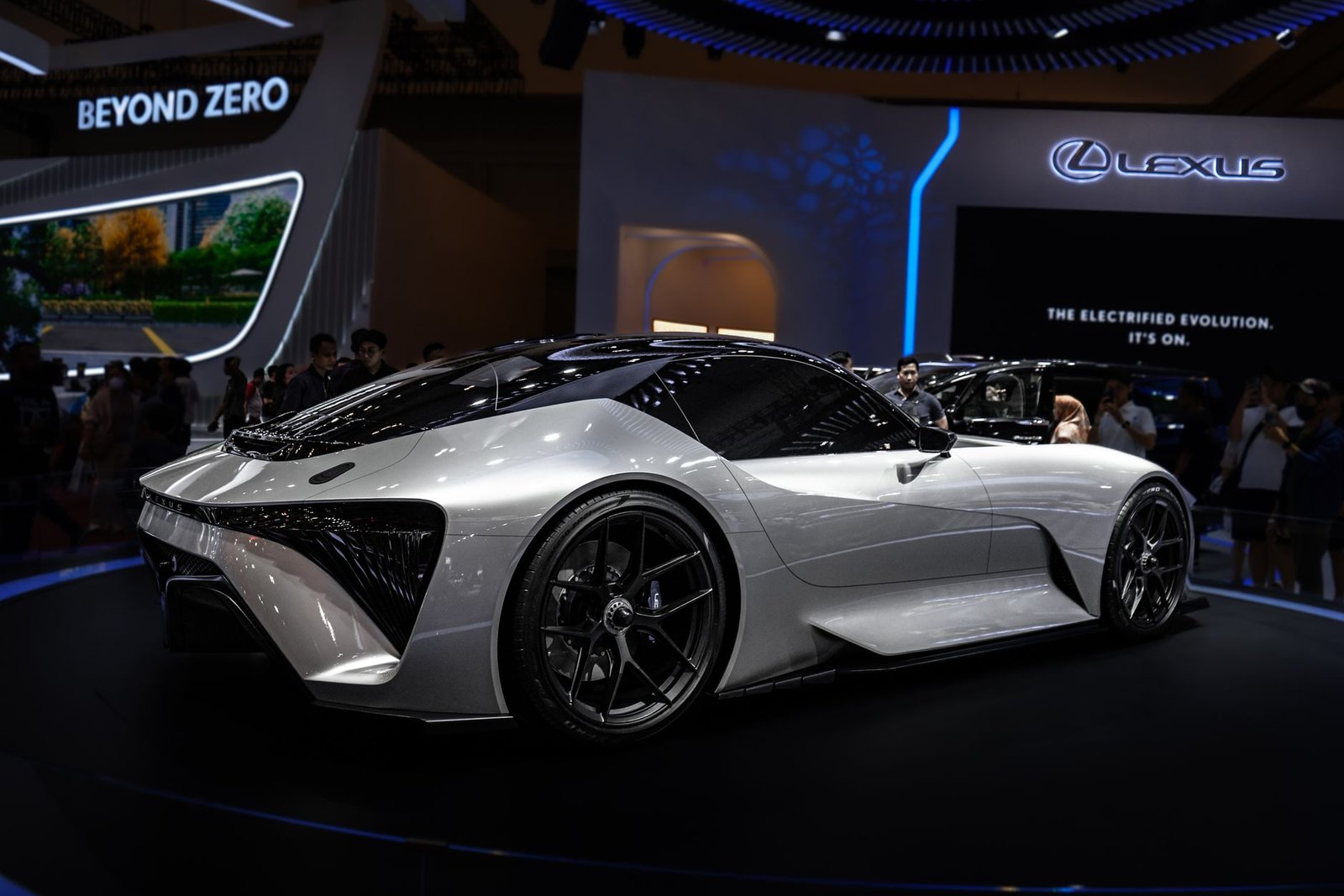
As the automotive world accelerates into the realm of electric mobility, a remarkable transformation is unfolding. Among the major players, Range Rover’s upcoming all-electric grand tourer emerges as a driving force that promises to redefine luxury on four wheels. But is this bold move casting a long shadow over Jaguar’s Type 01, suggesting internal rivalry or harmonious progression?
Key Takeaways
- The new Range Rover GT marks a significant transition towards all-electric luxury vehicles.
- Potential overlap in design philosophy between Range Rover and Jaguar’s Type 01.
- Understanding grand touring as a blend of performance, luxury, and long-distance comfort.
- Electric vehicles represent a paradigm shift, setting a new standard in the automotive industry.
Redefining Luxurious Performance
Range Rover is no stranger to innovation, and their latest venture into the electric grand tourer market is a testament to their commitment to evolved luxury. Described as “the most car-like Range Rover ever created,” this vehicle promises to deliver both performance and opulence without compromising its signature rugged identity. But what does “grand tourer” truly mean in the context of modern electric vehicles?
Traditionally, a grand tourer (GT) combines high-speed capability, performance, and comfortable long-distance driving. Think of it as the digital nomad of cars: powerful, agile, and ready for cross-country adventures. Now, as it embraces an electric heart, the Range Rover GT might just set a benchmark in combining these aspects with sustainable innovation.
Innovation Meets Tradition
While Range Rover pivots towards electrification, this evolution also raises questions about its relationship with Jaguar, a brand synonymous with elegance and power. Jaguar’s Type 01, another venture into the electric domain, positions itself as a beacon of sport luxury. Are we witnessing a friendly rivalry or a strategic diversification within a single entity? Both vehicles aim to capture the growing demand for electric luxury vehicles, but with distinct personas.
Consider the Range Rover GT as an opulent architectural marvel, akin to a grand hotel merging history with modern amenities. Similarly, Jaguar’s Type 01 might represent the cutting-edge art gallery, where style and speed meet efficiency.
The Electric Paradigm Shift
The transition from gasoline-powered engines to electric powertrains signifies more than mechanical change; it heralds a broader paradigm shift in how we perceive mobility. Electric vehicles (EVs) provide an eco-friendly alternative while ushering in advanced technologies, like responsive torque and intuitive user interfaces.
Imagine watching a nature documentary in high-definition: every detail stunningly clear, no delay in response, an immersive experience that changes how you appreciate the world. EVs offer a similar clarity and immediacy in driving, transforming traditional experiences into progressive journeys.
Implications for the Automotive Landscape
As brands redefine their identities within this new framework, consumers gain from a diverse array of choices that reflect varying tastes and priorities. Luxury isn’t just about leather seats or classic design anymore; it’s about seamless technology integration and sustainable sophistication.
The future of Range Rover, and indeed Jaguar, lies in their capacity to innovate while preserving the essence of their brand identities. The adoption of electric mobility isn’t just a trend—it’s an evolutionary step towards a sustainable future for transport.
Looking to the Future
The emergence of vehicles like the Range Rover GT and Jaguar’s Type 01 marks the dawn of a new era where electrification serves as the bridge between tradition and innovation. As more manufacturers navigate this electric avenue, we can anticipate a reimagined landscape where artificial intelligence increasingly plays a role not just in autonomous driving, but in crafting personalized travel experiences.
For the automotive industry at large, the challenge will be integrating these technological advancements while maintaining, and even enhancing, the allure of luxury. As AI continues to inform smarter, more efficient vehicles, we edge closer to an exciting frontier where every drive could fundamentally alter our expectations of what it means to journey in style.
