



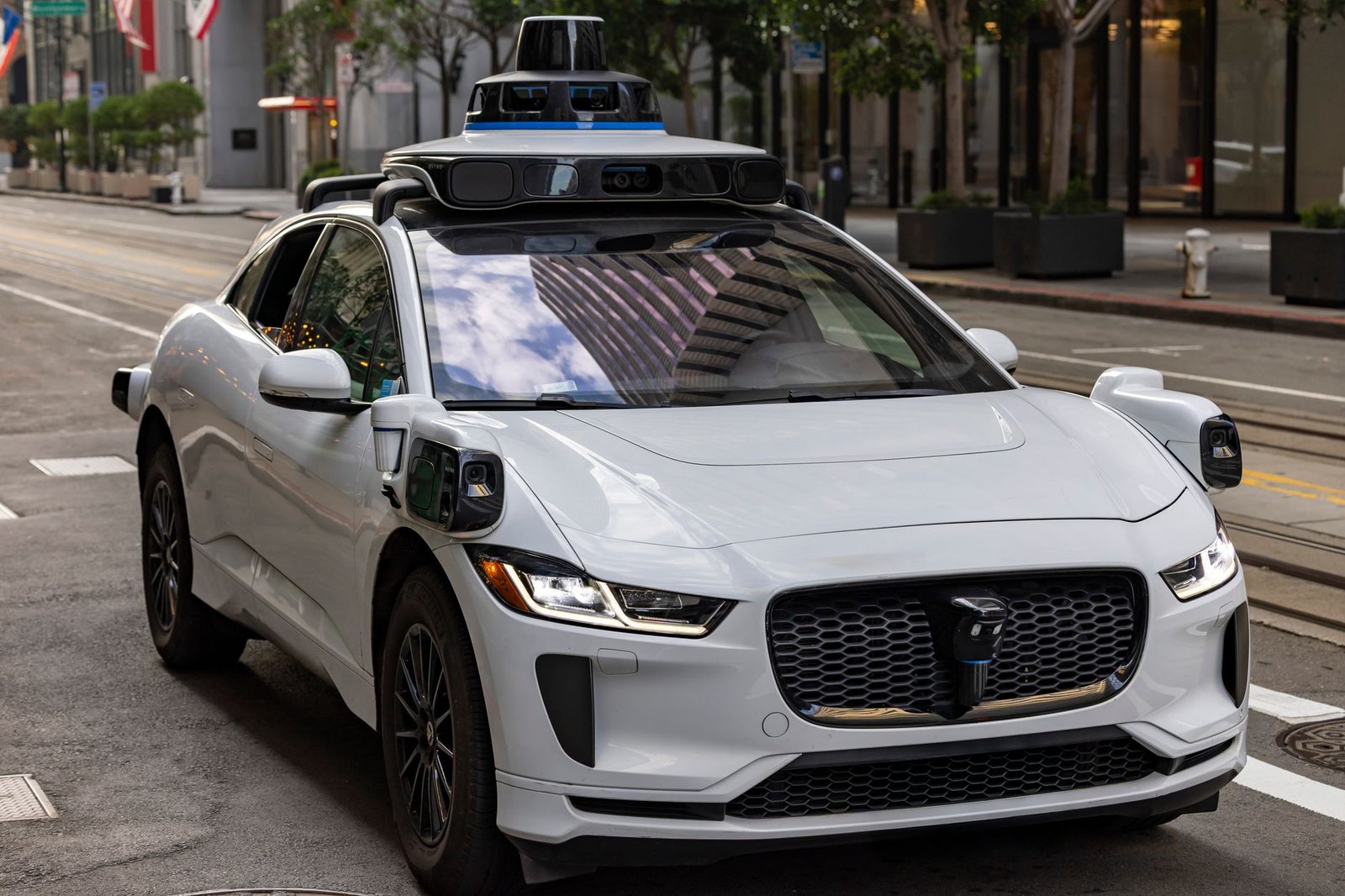
The race to dominate the **robotaxi** market in the United States just got more exciting as Mobileye, a powerhouse in driving technology, announced its own ambitious plans. Poised to launch a robotaxi service by 2027 in a yet-to-be-disclosed American city, Mobileye is setting the stage to redefine urban mobility. Their approach is both comprehensive and innovative, integrating convenience and technology to deliver a seamless user experience.
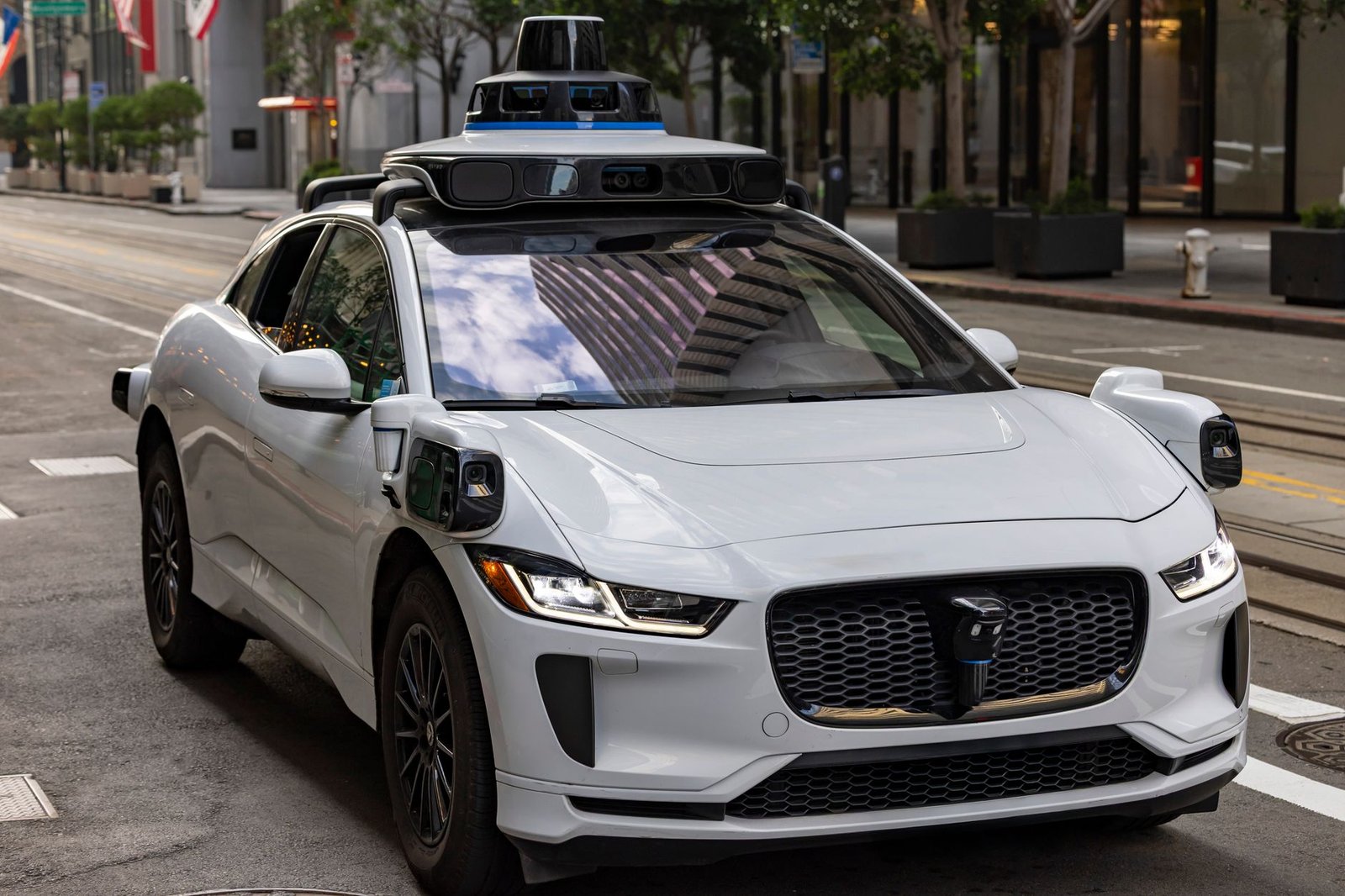
- Mobileye plans to launch a US robotaxi service in 2027.
- The service will use the Moovit mobility platform for customer interaction.
- Founded in Israel, Mobileye was acquired by Intel and later went public.
- Originally partnered with Tesla, now leading with their own tech.
- Mobileye aims to provide scalable services for global deployment.
Mobileye’s Bold Vision for the Future
Mobileye is no stranger to innovation and has carved out a significant reputation in the **autonomous driving** field over the past two decades. When the company’s founder and CEO, Amnon Shashua, declared, “We are taking the next step,” it signaled an evolution. Mobileye’s vision isn’t just about developing self-driving cars—it’s about creating a fully **vertically integrated** service. A vertically integrated model means Mobileye will manage the entire process, from the technology powering the vehicles to the user-friendly Moovit platform customers will use to book their rides. This complete integration promises both financial scalability and the potential for widespread global expansion.
A History of Pioneering Innovations
Mobileye first made waves in the **mid-2010s** by bringing advanced technologies to mainstream car manufacturers. They partnered with industry giant Tesla on **Autopilot’s** advanced driving assistance systems (ADAS). ADAS involves technology that enhances vehicle safety by automating tasks such as braking, steering, and hazard detection. However, after parting ways with Tesla in 2016 over concerns that Tesla was marketing these tools as autonomous driving systems, Mobileye forged ahead, collaborating with other companies to advance both ADAS and autonomous technology.
Moovit: The Heart of Mobileye’s Service
A pivotal element of this new venture is the **Moovit mobility platform**, which Mobileye will use to manage customer interactions and ride bookings. Moovit acts like a **digital concierge**, handling everything from coordinating rides to ensuring that services are smooth and efficient. Much like using a smartphone app to book an Uber, but with the added sophistication of being an integrated part of the vehicle’s operating system, this platform enhances user experience while ensuring the technology’s comprehensive reach.
The Real-World Benefits
To envision what Mobileye aims to achieve, imagine a bustling urban landscape where robotaxis zip through streets autonomously, picking up and dropping off passengers with precision and safety. It’s akin to the transformation ride-sharing services brought to urban transport but scaled to include autonomous capabilities, reducing the potential for human error. This integration of AI into daily commuter life not only optimizes travel efficiency but also promises enhanced safety and convenience.
What Lies Ahead?
So, what does this mean for the future of AI and transportation? If Mobileye succeeds, the implications could be monumental. It could herald a new era of urban mobility, where traffic congestion is diminished, emissions are reduced, and travel is both eco-friendly and customizable to individual needs. By transforming how we perceive transportation, Mobileye is not just competing in the robotaxi space; it’s paving the way for a smarter, more connected world.
This initiative underscores the future potential of **artificial intelligence** in reshaping industries on a global scale. As AI technologies continue to evolve, they hold the promise of creating more efficient, adaptive systems that can dramatically alter everyday living experiences. With companies like Mobileye pushing the envelope, the next decade could see profound changes in how we move through our lives.
