



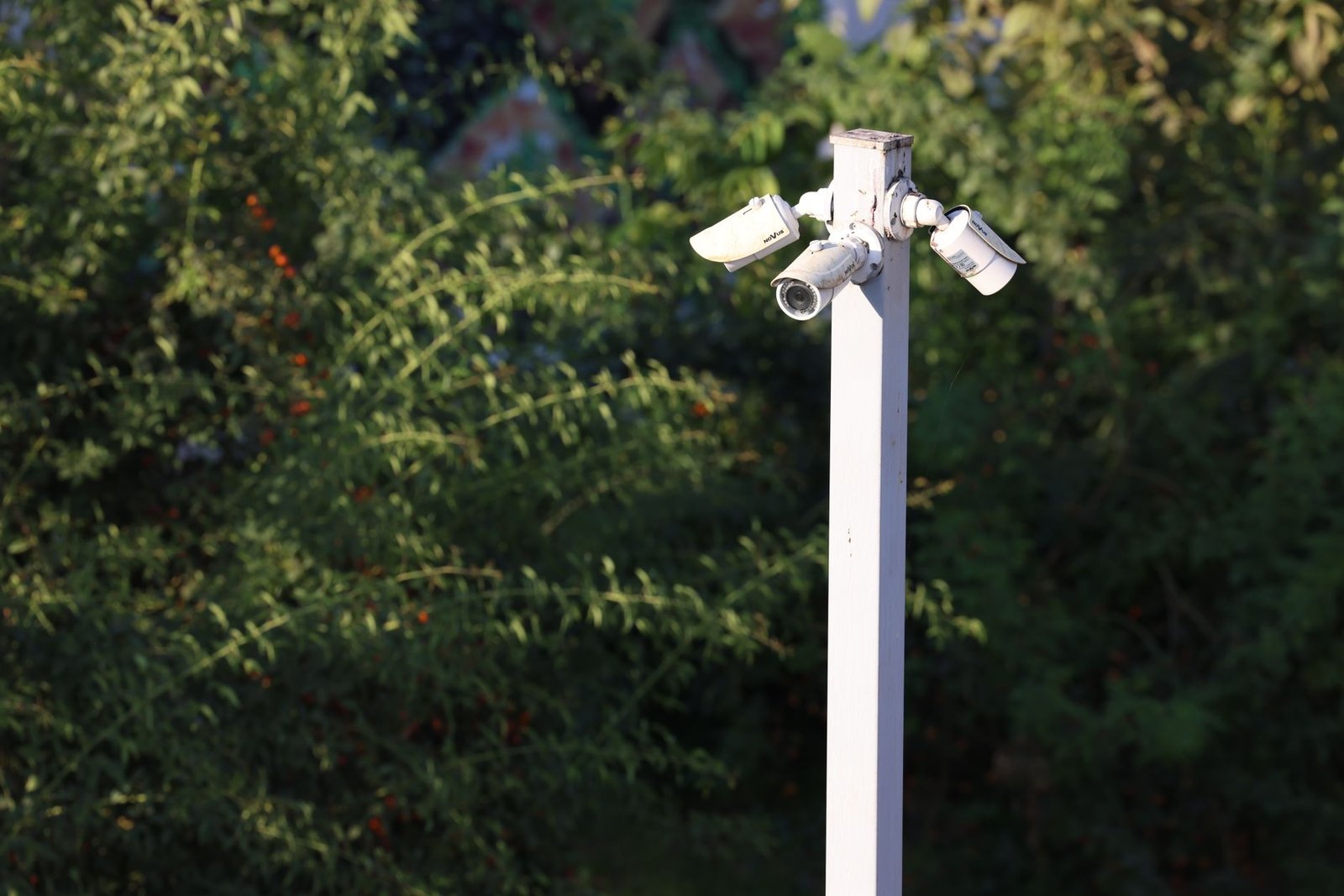
In a decisive move against enhancing AI-powered surveillance, Texas Governor Greg Abbott has chosen to halt state funding for controversial Flock cameras. This action reflects a growing wave of privacy advocacy, scrutinizing AI technologies that tread the fine line between security and personal freedom.
Key Takeaways
- Governor Abbott’s decision halts further state investment in Flock surveillance cameras.
- Over $30 million was spent on these cameras, funded by a $1 fee on insurance policies.
- Flock cameras have sparked debates around privacy and misuse, leading to disciplinary actions against some officers.
- The controversy raises broader questions about AI’s role in law enforcement and public safety.
The Controversial Rise of Flock Cameras
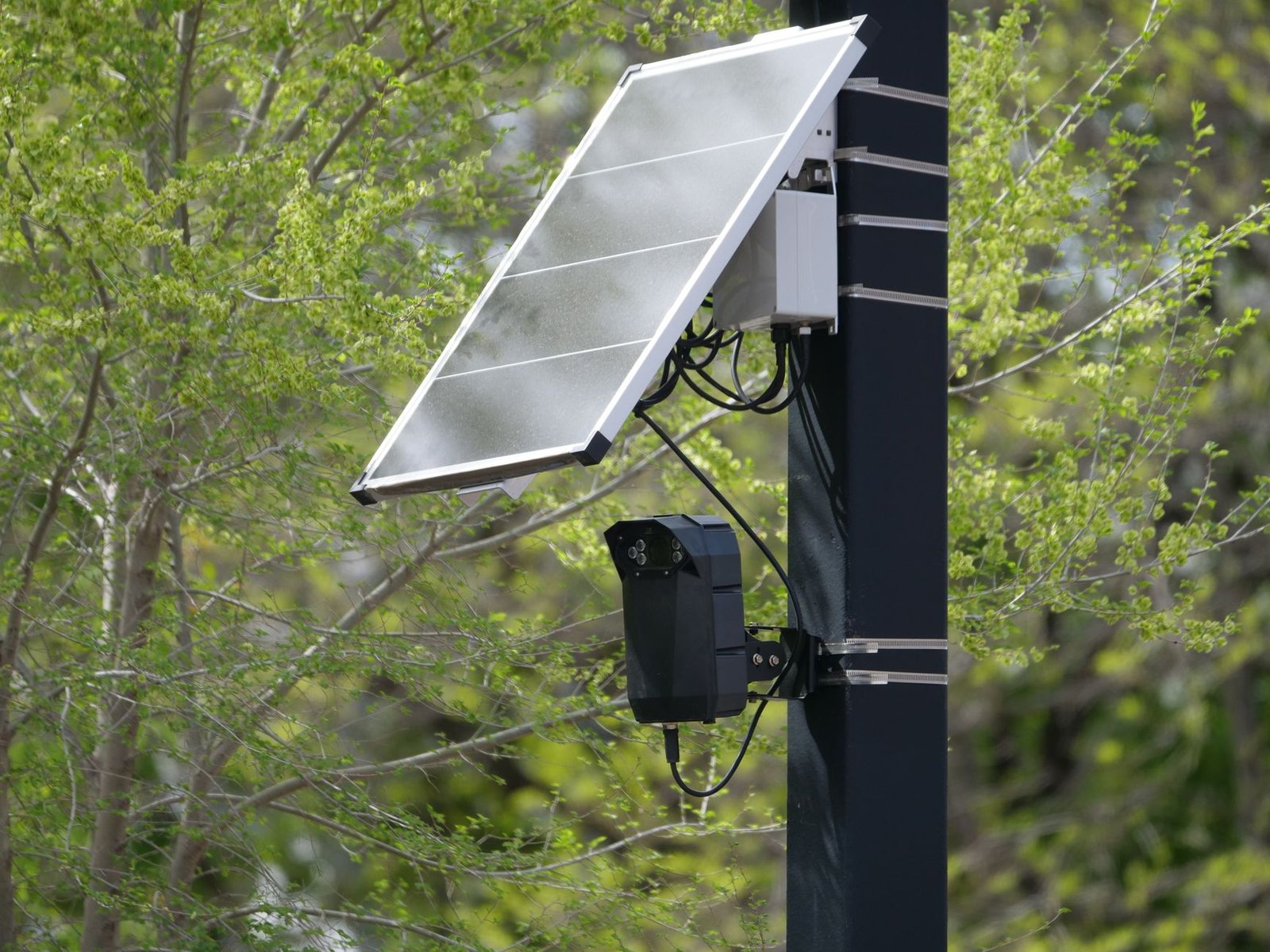
Flock cameras, powered by advanced **AI algorithms**, capture license plate images and vehicle data to assist law enforcement agencies in tracking and deterring crime, such as catalytic converter theft. The cameras utilize machine learning techniques that automatically recognize patterns and alert authorities to potential criminal activities.
However, **privacy concerns** have surged as these surveillance tools become more widespread. Many fear that the pervasive monitoring constitutes an invasion of personal privacy, turning public spaces into zones of constant watchfulness. This was starkly illustrated when several police officers faced disciplinary action or criminal charges for allegedly exploiting Flock’s surveillance data.
Funding Freeze: A Political and Social Statement
Governor Abbott’s decision to freeze funding marks a significant moment in the debate over **AI ethics** and public policy. The $30 million spent on these cameras, largely sourced from a $1 charge on insurance policies, indicates the state’s willingness to invest heavily in AI surveillance under the guise of crime prevention.
Impact on Law Enforcement and Public Perception
The suspension of further investment pressures law enforcement to reconsider their reliance on AI tools like Flock cameras. While these systems offer rapid data analysis and operational efficiency, their deployment must be balanced with transparency and ethical considerations.
For instance, think of it as deploying a digital guard in every neighborhood, always alert but never resting. This guard, powered by AI, raises red flags without bias, yet it’s the human responsibility to interpret these alerts sensibly and justly. Without the proper oversight, even sophisticated systems can lead to serious ethical dilemmas.
Navigating the Future of AI Surveillance
The conversation around Flock cameras is emblematic of wider issues surrounding **AI’s integration into daily life**. As technology advances, so does the potential for both increased safety and unprecedented invasions of privacy. Striking the right balance will be crucial in shaping society’s future relationship with AI.
Moving forward, policymakers and tech developers alike must collaborate to create frameworks that protect citizen rights while harnessing AI’s potential. This involves continuous dialogues about privacy, ethical use, and regulatory oversight to ensure that AI serves the public good rather than infringing upon it.
The decision by Governor Abbott sends a clear message: while AI can be a powerful ally in enhancing public safety, its implementation must not come at the cost of personal freedom and ethical standards. The dialogue surrounding this issue urges a closer look at how AI technologies are deployed, with a focus on accountability and transparency to foster trust and acceptance in their use.
