



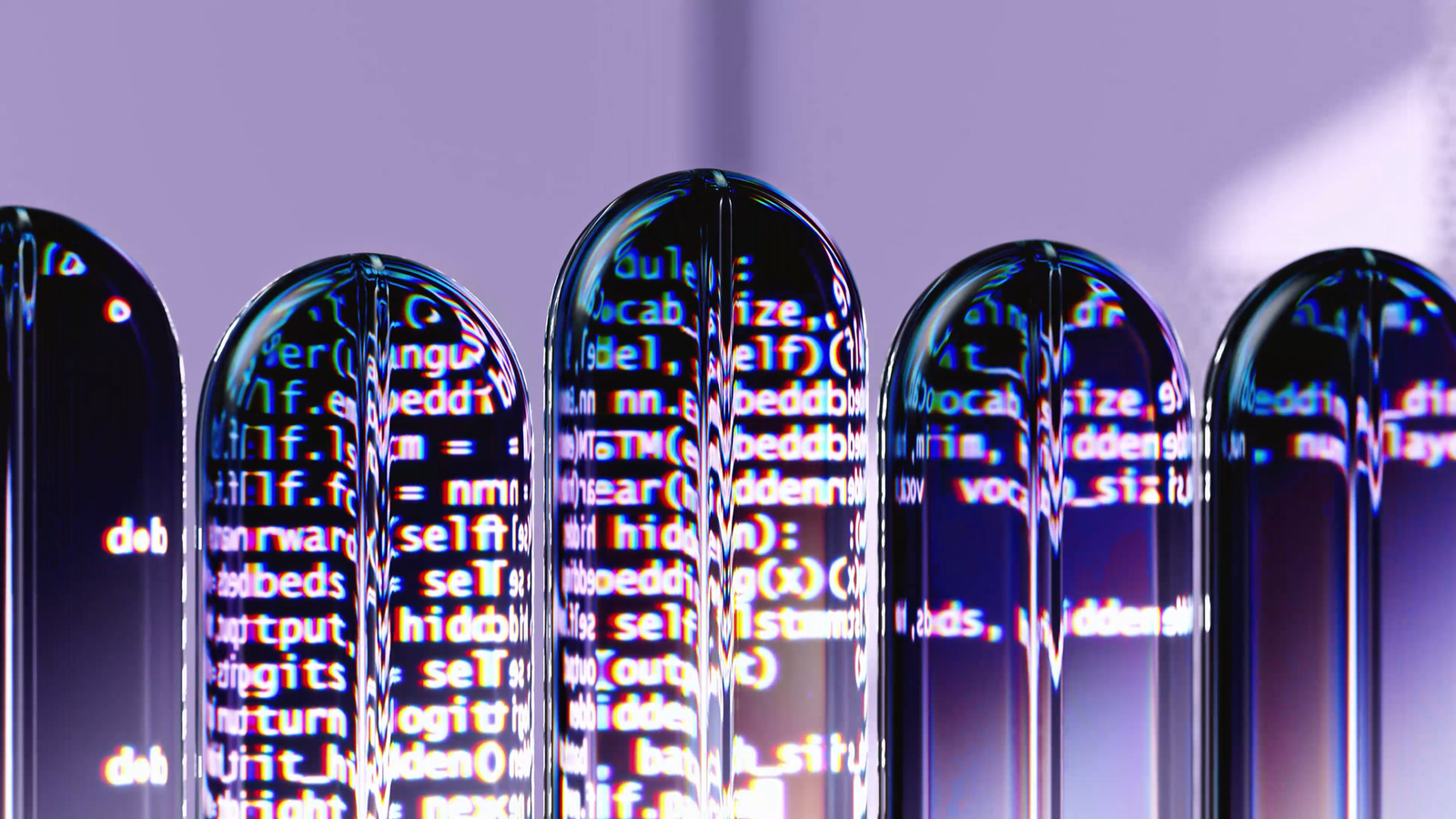
Imagine a world where software writes itself, efficiently and error-free. As AI technology grows, the dream of automating code generation is rapidly becoming a reality. Yet, with great power comes great responsibility. Understanding the potential hazards of code synthesis large language models is crucial for anyone diving into this transformative technology.

- Code synthesis models can automate programming tasks but come with risks.
- Understanding potential errors and biases in AI-generated code is essential.
- Real-world applications are emerging, but safety measures are important.
- A solid hazard analysis framework can mitigate unintended consequences.
- Future applications in AI-driven development are promising but need oversight.
Unpacking Code Synthesis Models
At the heart of modern AI-driven code creation lies the concept of code synthesis large language models. These are sophisticated AI systems designed to generate code snippets or even entire programs based on human prompts. Imagine having an assistant that not only understands your coding needs but also writes functional code tailored to your needs. They leverage machine learning to understand coding languages, patterns, and structures and can assist developers by tackling mundane tasks or suggesting solutions.
The Need for a Hazard Analysis Framework
Despite their potential, relying too heavily on AI for code generation can lead to unforeseen issues. Just like a self-driving car requires rigorous safety checks, AI in code synthesis needs a hazard analysis framework. This means systematically identifying and evaluating potential risks and pitfalls that may arise during or after deployment. Think of it as a checklist ensuring that AI-generated code doesn’t just function correctly but also operates ethically and securely.
Common Hazards in AI-Generated Code
One major concern is the introduction of subtle bugs or inefficiencies that may not immediately present during testing. Human developers usually catch these issues with hands-on debugging, a skill still beyond the reach of even the most advanced AI models. Furthermore, bias is another pressing challenge. Language models learn from vast datasets that may contain biased information or outdated practices, leading to skewed outputs.
Real-World Analogy: The Chef and the Recipe Book
Consider a chef equipped with an extensive recipe book. This book can suggest recipes for any occasion and dietary need but does so without understanding the nuances of taste, allergies, or personal preferences. Likewise, AI can generate code quickly, but lacks human insight into the specifics of each scenario. Just as a chef must adjust recipes to suit individual tastes and requirements, developers must review and refine AI-generated code.
Implementing a Safety Net
For organizations and individuals utilizing these AI models, embedding a solid safety net ensures successful and secure implementation. This involves setting up constant monitoring and refinement loops, where AI outputs are regularly reviewed. By integrating continuous human oversight and iterative testing, potential issues can be detected and corrected before they affect end-users.
Looking Ahead: The Future of AI in Software Development
As AI continues to evolve, the fusion of code synthesis with advanced hazard detection processes will likely define the next era of software development. The goal is to harmonize human creativity with machine efficiency, widening access to programming for those without technical expertise. Critical, however, is maintaining a balance between innovation and caution, ensuring that AI remains a tool for empowerment rather than a source of unforeseen challenges.
The future is bright for those ready to embrace the rigorous demands of hazard management, promising a world where AI-driven development accelerates progress without compromising safety or integrity.
