



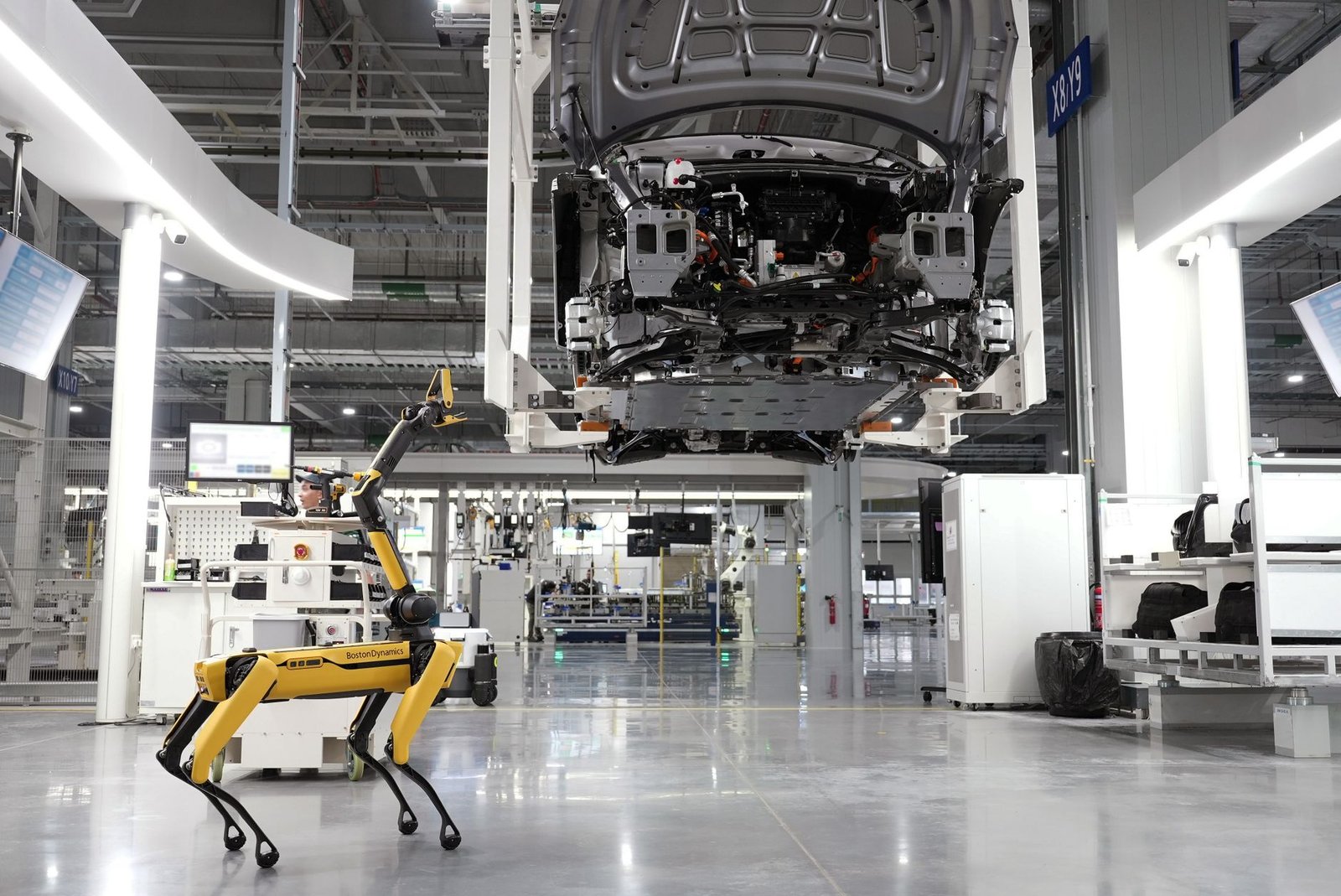
The auto industry is undergoing a seismic shift, and Volkswagen’s latest strategic maneuvers could redefine its trajectory. **Volkswagen Group** is contemplating closing as many as four factories in Germany, a decision that would have seemed unthinkable just a few years ago. As part of a broader effort to adapt to evolving market challenges, the company is considering reducing its workforce by an eye-popping 30% by 2030. What’s driving these drastic measures?

Key Takeaways
- Volkswagen plans to restructure by potentially closing four German factories.
- The company aims to downsize the workforce by approximately 30% by 2030.
- Despite strong European EV sales, North American and Chinese markets are underperforming.
- Tariffs and decreased margins impact overall profitability.
- The moves align with wider industry shifts due to advancements in technology.
Volkswagen Faces a Challenging Landscape
In a year marked by economic turbulence, **Volkswagen** saw its profits plummet by 44% to just 6.9 billion euros, as operating margins shrank significantly. While the automaker excelled in selling electric vehicles (EVs) across Europe, its performance in **North America** and **China** left much to be desired. A combination of falling sales and the adverse impact of trade tariffs contributed to the financial downturn.
Why Factories Are at Risk
In this new era, maintaining vast production facilities is becoming increasingly unsustainable for traditional auto giants like Volkswagen. Think of it like a blockbuster video store in the age of streaming: **location** isn’t everything anymore. The company must pivot towards more **agile** and cost-efficient practices to remain competitive. Global markets are demanding **more from less**, and the auto industry is no exception.
Adapting to New Technological Realities
The rapid shift towards **electric mobility** is reshaping the automotive landscape. EVs require less machinery and fewer parts compared to traditional gasoline vehicles, necessitating a leaner operational model. By slimming down their production line and focusing on **innovation**, Volkswagen aims to lead rather than follow.
The Workforce Transformation
Streamlining operations won’t just affect physical locations; it will also impact human capital. Volkswagen plans to lay off up to 50,000 jobs, with the potential for even more job cuts as it aligns with evolving industrial realities. While these changes may sound daunting, they reflect the broader trend toward automation and **digital transformation**—an inevitable shift as the industry leans into technology-driven efficiencies.
Ripple Effects Across the Industry
Volkswagen is not alone. Several automakers are re-evaluating their strategies to adapt to new demands. Companies are exploring everything from **artificial intelligence**-driven manufacturing processes to more streamlined **supply chains**. These shifts are not merely reactive; they’re a proactive acknowledgment of the changing technological tide.
A Glimpse Into the Future
Looking ahead, Volkswagen’s decisions serve as a mirror reflecting the future of the automotive world. As the industry embraces new **technologies**, efficiency and adaptability will reign supreme. Consumers can anticipate more advanced, tech-driven car models as innovation takes the driver’s seat. Manufacturers like Volkswagen who navigate this transformation effectively may well become the frontrunners in tomorrow’s market.
