



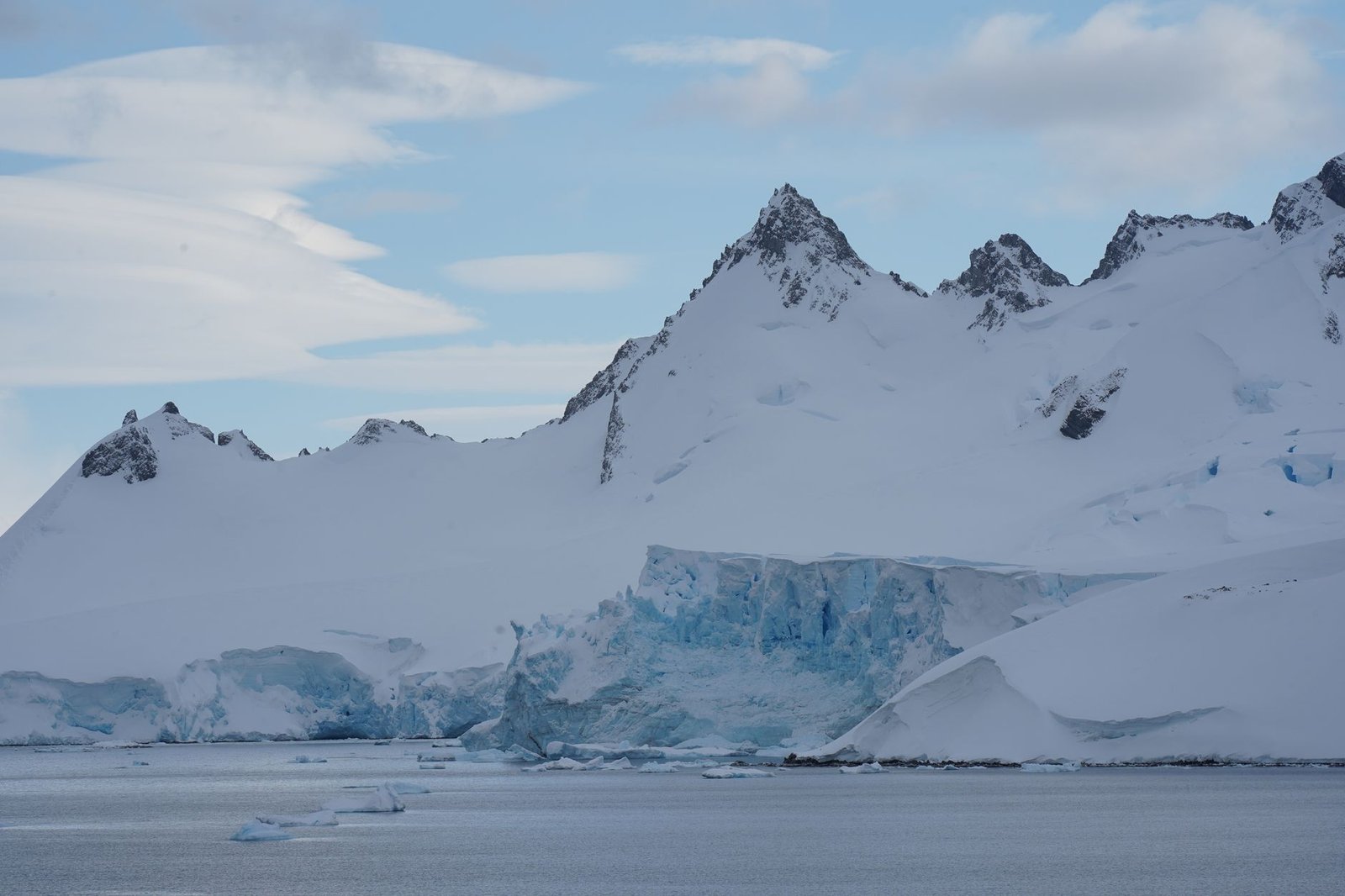
Antarctic winters are traditionally synonymous with bone-chilling cold and endless ice, yet recent climate anomalies have flipped this narrative on its head. Instead of a deep freeze, we are witnessing an unprecedented warm spell, raising serious concerns.
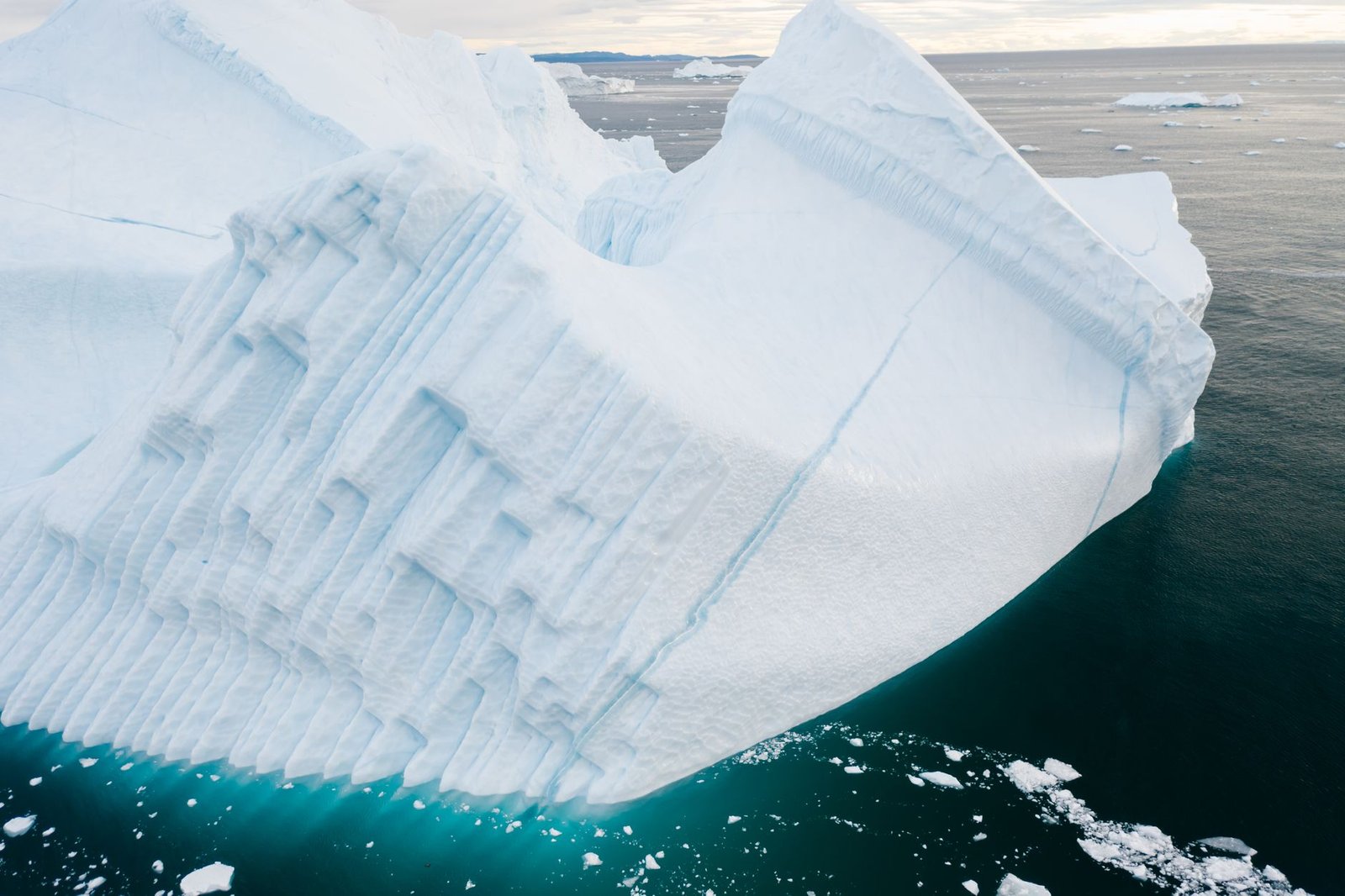
- Antarctic winter temperatures have spiked by up to 45 degrees Fahrenheit above normal.
- This anomaly halts the crucial ice formation in winter.
- Climate shifts here have global repercussions, including rising sea levels.
- Understanding these patterns is crucial for both climate science and AI modeling.
Unprecedented Warmth in the Antarctic
The astonishingly warm temperatures recorded in West Antarctica are rewriting our understanding of polar climates. Imagine basking in a warm spell without any warning; that’s precisely what happened in a region typically locked in ice during this season. **Temperatures soaring to 45 degrees Fahrenheit above normal** have shattered previous records and halted the usual winter ice-making process.
Climate Change: A Crucial Player
A key driver behind this abrupt shift is **climate change**, the gradual alteration of global climate patterns due mainly to human activities. While variability is a natural trait of any climate system, the sheer magnitude of this anomaly is alarming. Such temperature spikes are not mere blips but indicators of larger systemic changes.
Why Is Missing Ice a Big Deal?
For those unfamiliar with the dynamics of polar regions, the absence of ice might sound insignificant, yet it is anything but. **Ice plays a vital role** in Earth’s climate system by reflecting sunlight and regulating temperature. Without it, the ocean absorbs more heat, triggering a cascade of environmental effects, including sea level rise. Just like how a malfunctioning air conditioner in a house can lead to uncomfortable living conditions, missing ice disrupts the balance of the global climate system.
Scientific Insights and Technological Tools
Fortunately, scientific advancements and emerging technologies like **artificial intelligence (AI)** are proving pivotal in understanding these phenomena. AI leverages massive datasets to analyze climate patterns and predict future trends, enabling scientists to assess the potential impacts of such warming events.
AI in Climate Prediction
Artificial intelligence is not merely a futuristic concept but a current-day ally in climate studies. By using **machine learning algorithms**, computers can sift through vast amounts of climate data and identify trends that might elude human analysts. This capability is crucial in anticipating changes and formulating mitigation strategies.
Ongoing Efforts and Research
Researchers at numerous institutions are actively engaged in decoding this climatic puzzle. By employing advanced computational models and real-time data, experts are striving to derive actionable insights that policymakers and environmentalists can use to address the challenges posed by warming poles.
The Ripple Effects of an Ice-Less Winter
The implications of a warmer-than-usual Antarctic winter extend far beyond its icy shores. As ice levels dwindle, the global sea level is likely to rise, potentially affecting coastal communities worldwide. Moreover, altered weather patterns could lead to more extreme weather events, impacting agriculture, economies, and ecosystems globally.
A Path Forward
Despite the daunting challenges, there is hope. Enhanced understanding of these patterns can empower humanity to make more informed decisions. Encouragingly, the intersection of technology and climate science is growing stronger, inspiring innovative solutions that might just turn the tide.
The startling warmth of this Antarctic winter might have been unanticipated, but it signals a crucial wake-up call. The continued collaboration between scientists and AI systems offers a blueprint for navigating future climatic uncertainties.
As we peer into the horizon, the significance of AI in unraveling the complexities of our dynamic planet becomes ever more apparent. This interplay between technology and nature holds the promise of not only understanding but potentially safeguarding our world from future climatic upheavals. By staying ahead of the curve, we position ourselves to create sustainable solutions for generations to come.
