


Imagine a world where robots teach themselves to cut zip ties and insert GPUs into motherboards without human guidance. This isn’t science fiction; it’s unfolding right now, thanks to the latest advances in AI agent technology.
- AI agents can train robots autonomously, without human intervention.
- A novel framework called ENPIRE enables this breakthrough in automation.
- NVIDIA’s GEAR lab spearheaded this innovation with prestigious academic collaborators.
- Such technology paves the way for continuous improvement in robotic capabilities.
- This could revolutionize industries relying on complex machine operations.
The Power of AI Agents in Robotics
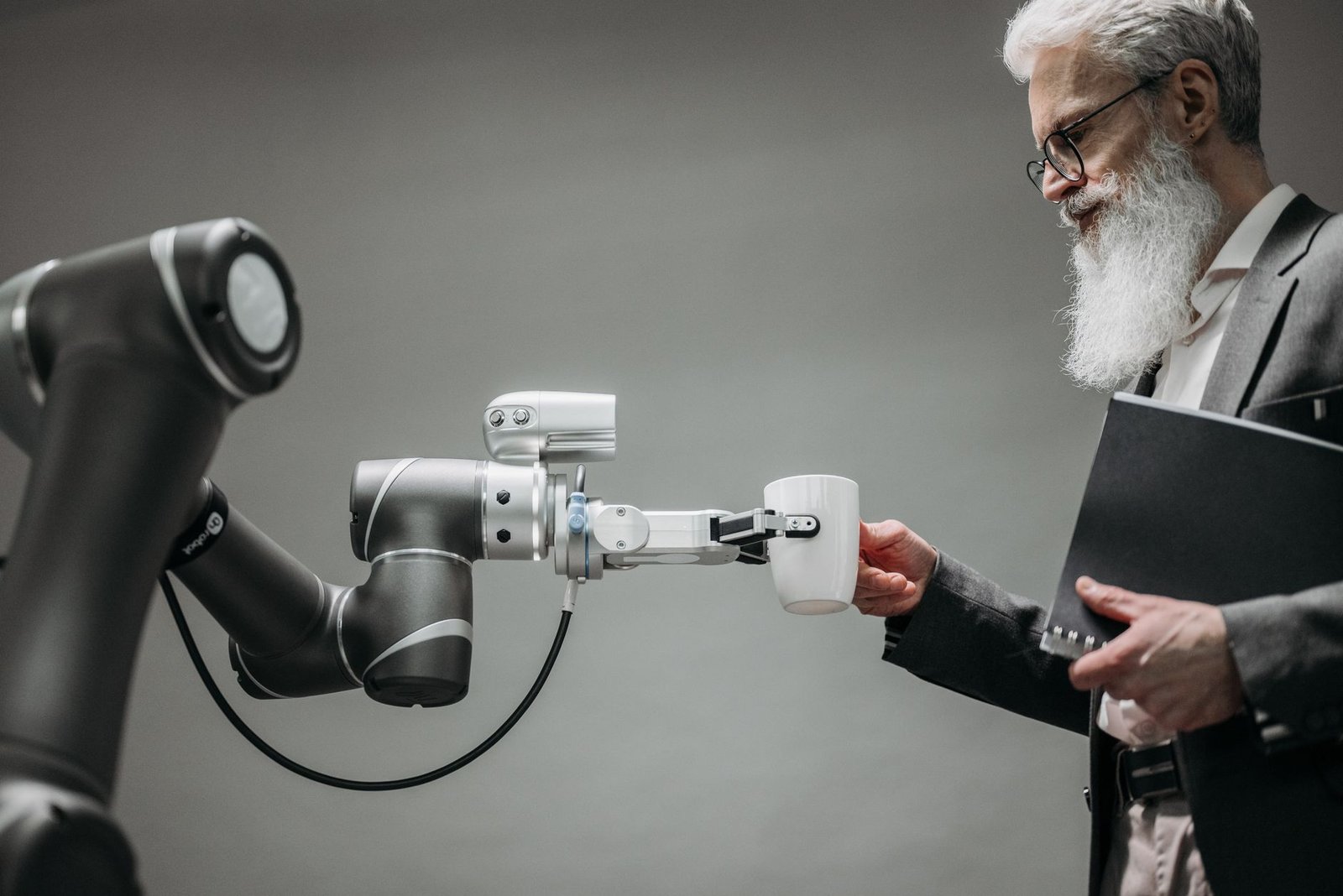
Have you ever wondered what it would take for robots to autonomously perform tasks without step-by-step human instructions? The secret lies in **AI coding agents**, which are software programs designed to control and manage robotic actions. These agents, when given the right environment and resources, teach robots to enhance their skills by themselves.
Introducing the ENPIRE Framework
The **ENPIRE framework** is a novel development that acts as a guiding structure for AI models. This framework essentially wraps around AI models, allowing them to interface with a variety of tools—and crucially, it endows them with memory, context, and feedback loops to inform their decision-making process. Developed at NVIDIA’s GEAR lab with contributions from Carnegie Mellon University and UC Berkeley, ENPIRE represents a monumental leap in robotic training methods.
Harnessing Autonomous Learning
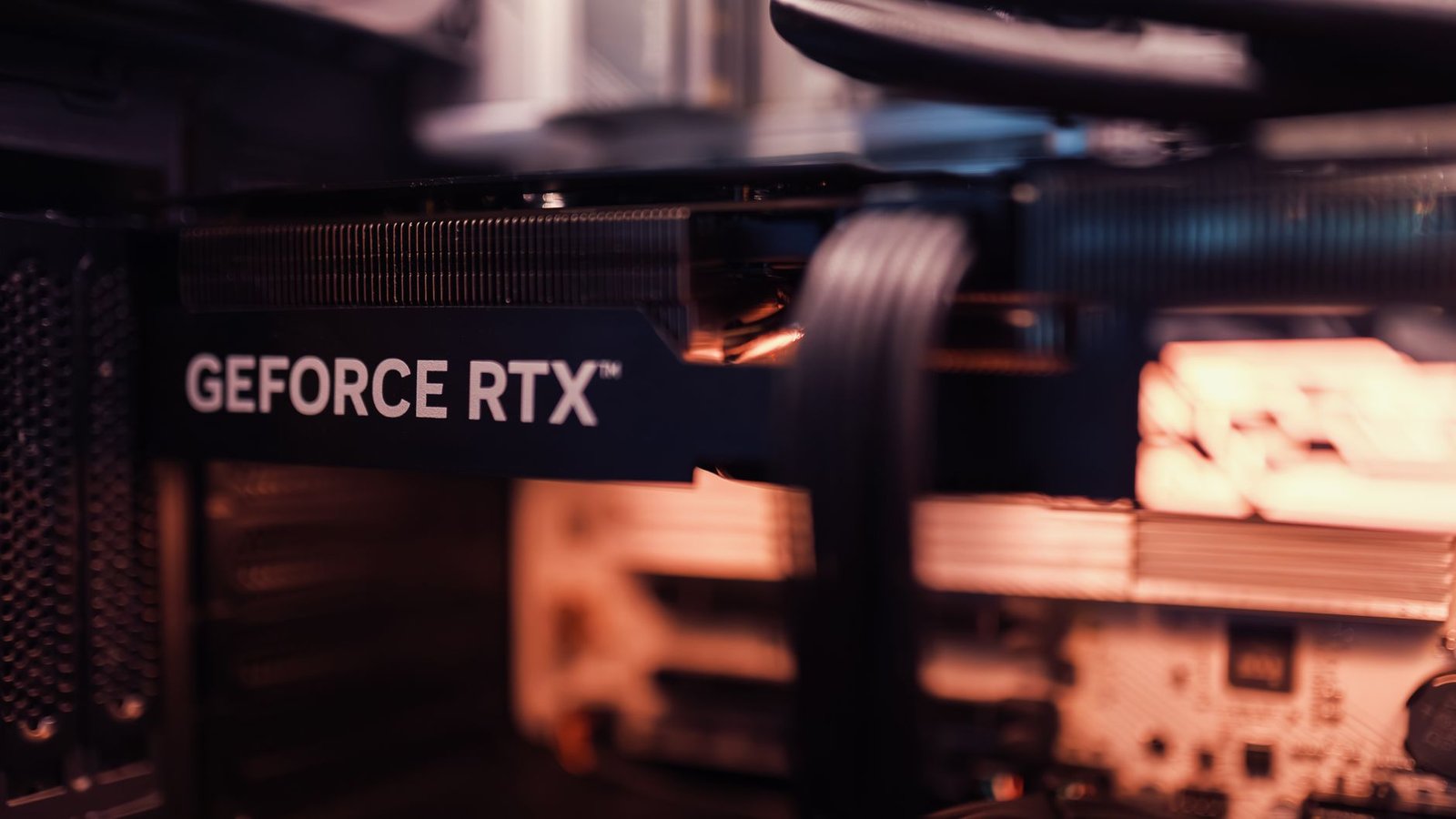
In an intriguing experiment, AI agents were allocated a lab teeming with robotic arms, ample compute resources, and a “generous token budget”—an allowance for processing AI operations and learning. The outcome was robots that mastered the delicate operations necessary for cutting zip ties and slotting GPUs into narrow motherboard sockets.
This self-sufficient learning mimics **trial and error**, a natural process humans use to learn new skills. Imagine if every time you wanted to insert a plug into an outlet, you had to be told exactly how to do it. Instead, through practice, you gradually refine your technique. Similarly, these robots gain proficiency by repeating tasks, learning from their mistakes, and recalibrating their actions until they succeed.
Real-World Impact and Potential Applications
Visualize a car manufacturing plant where robots can train themselves overnight to perform new assembly tasks. This could drastically reduce downtime and increase productivity. The implications of such technology are vast, extending to industries like electronics, logistics, and even healthcare.
**Key Consideration**: Training robots to perform intricate tasks autonomously could reshape the landscape of manufacturing and service industries, resulting in more adaptable workplaces.
Looking to the Future
The success of the ENPIRE framework underscores the transformative potential of AI in robotics. By equipping machines with the ability to learn and improve autonomously, we step closer to realizing a future where robots can handle increasingly complex operations without human oversight. This doesn’t just mean better robots; it means opening new avenues for innovation in AI and robotics.
As these technologies continue to evolve, they embody a future where **artificial intelligence** actively crafts solutions, adapts on the fly, and pushes the boundaries of what’s possible in the realm of robotic autonomy. The implications for efficiency, safety, and scalability across industries are immense, promising a world where intelligent machines become essential partners in our quest to solve both ordinary and extraordinary challenges.
