



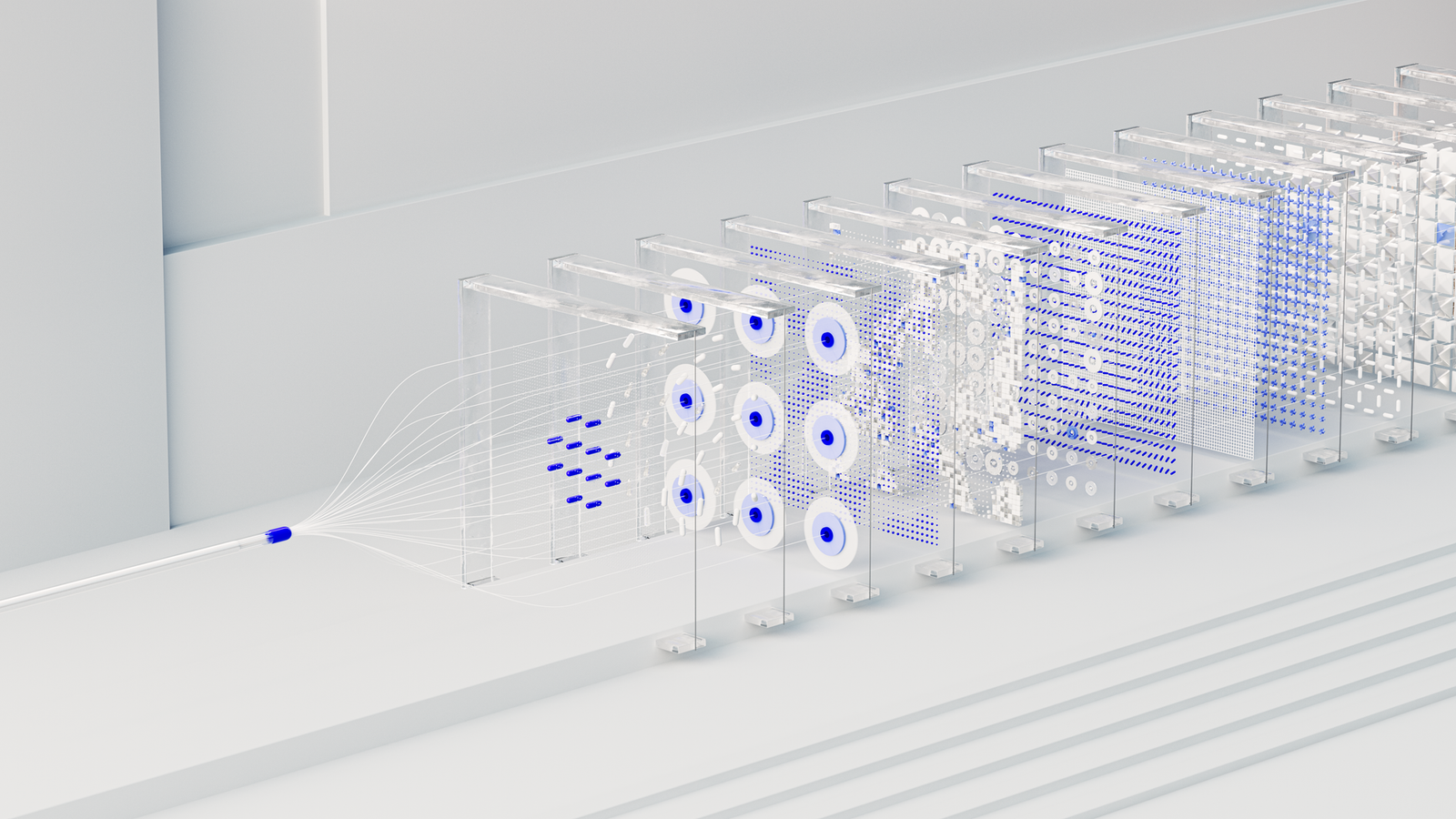
Imagine a world where data centers quietly hum along, consuming significantly less water and energy. This is not science fiction, but Nvidia’s latest vision for the future. The tech giant claims its new **AI data center design** is a groundbreaking step in the drive toward environmental sustainability—a topic increasingly in the spotlight as our digital demands grow.
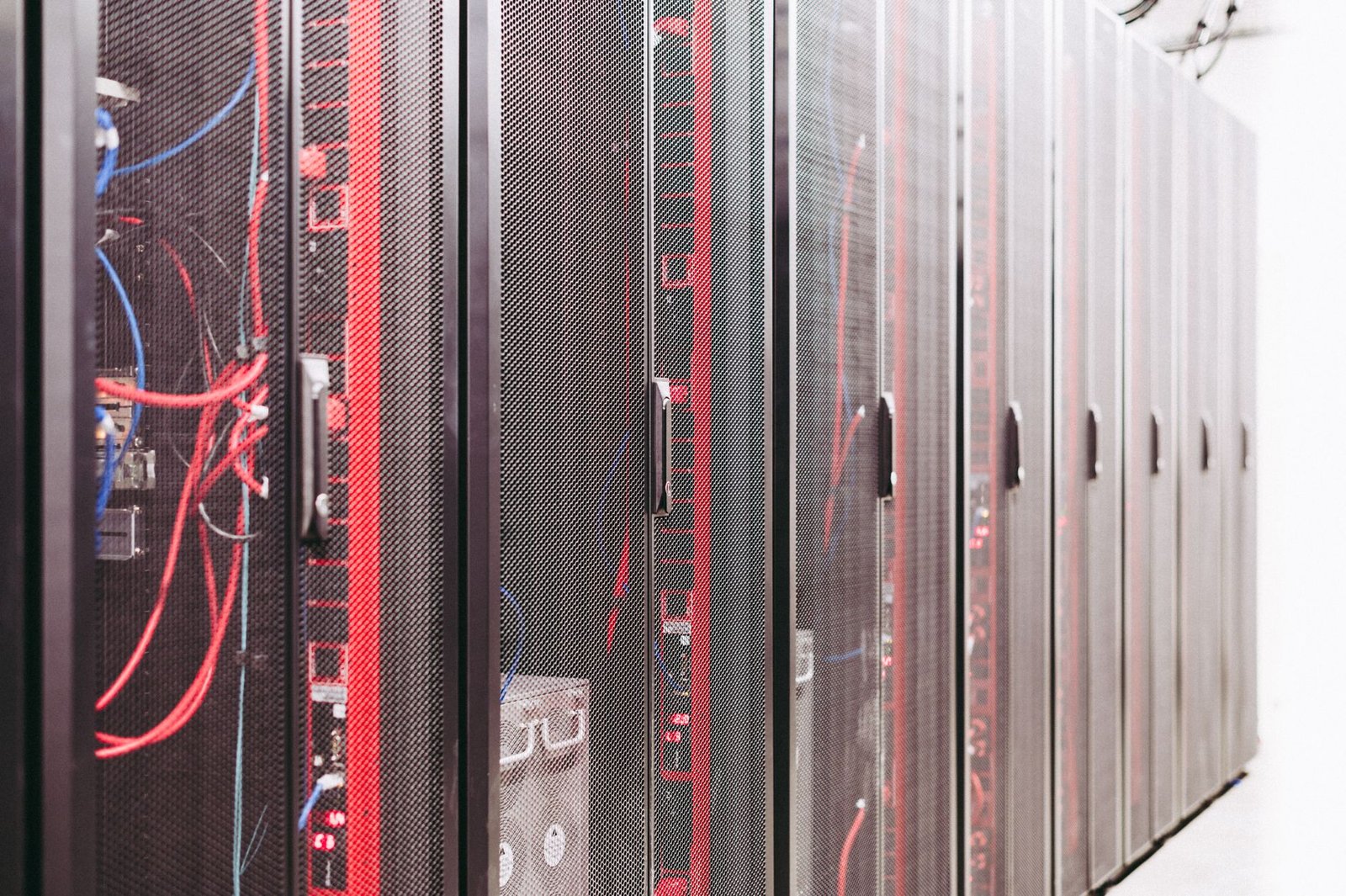
Key Takeaways
- Nvidia introduces a fully **liquid-cooled data center design**, reducing power and water usage.
- The design addresses energy and water concerns but leaves construction and cost issues open.
- Traditional data centers have high resource demands, raising environmental concerns.
- Nvidia’s approach hints at more sustainable solutions for tomorrow’s computing needs.
- Future AI advancements may heavily rely on such environmentally conscious innovations.
Understanding Liquid-Cooled Data Centers
Nvidia’s **liquid-cooled data center design**, termed the Rubin generation reference, promises to significantly cut down on both power and water consumption. Traditional data centers rely heavily on air cooling, which can be inefficient. **Air cooling** often requires massive amounts of electricity to operate powerful fans and push heat away from servers. Instead, liquid cooling circulates a specialized fluid around hot components, absorbing heat more effectively.
Why Water Usage Matters
Water scarcity is a pressing global issue, and data centers are often criticized for their enormous water usage. Cooling technologies can sometimes consume millions of gallons annually. Nvidia’s new design, however, aims to sidestep this by eliminating almost all water use, offering a greener alternative in the tech industry’s toolbox.
Decoding the Energy Efficiency Promises
The transition to liquid cooling isn’t just about water conservation; there’s a win-win scenario in store for energy consumption too. **Power savings** are achieved by reducing the energy required for cooling systems. This is because liquid cooling can maintain equipment at optimal temperatures more efficiently than air, reducing the power needed.
Real-World Analogy: Boiling vs. Simmering
Think of it like cooking pasta. Traditional air-cooled data centers operate like boiling water over a high flame—resource-intensive and wasteful. In contrast, Nvidia’s liquid-cooled design is more like simmering your pasta—quietly and efficiently reaching the desired outcome without unnecessary excess.
Challenges and Considerations
While Nvidia’s innovations are commendable, they are not without challenges. Building such advanced data centers involves new **construction processes** and possibly higher upfront costs. The company has yet to fully address these aspects, which leave some wondering about the financial feasibility for small and medium enterprises compared to the giants of cloud computing.
The Energy Source Dilemma
Another aspect often overlooked is the **source of the energy** powering these data centers. Even if a liquid-cooled system is ultra-efficient, using fossil fuels to power it could negate its environmental benefits. Sustainable energy sources could be key to fully realizing the ecological promise of these centers.
The Future of AI and Sustainability
The adoption of technologies like Nvidia’s liquid-cooled design could set a new benchmark in the tech industry, pointing toward a greener future for AI. As AI systems become increasingly complex and resource-intensive, harmonious coexistence with our planet’s limited resources will be critical. **Sustainability** in AI infrastructure could lead to broader innovations, such as advanced cooling mechanisms or more efficient energy use across the board.
As we move forward, the tech world must balance the thirst for innovation with environmental stewardship. Nvidia’s steps in cooling technology may not hold all the solutions, but they certainly ignite a promising dialogue about the intersection of technology and sustainability. And who knows? Tomorrow’s AI breakthroughs could very well rest on the pillars of today’s environmental innovations.
