



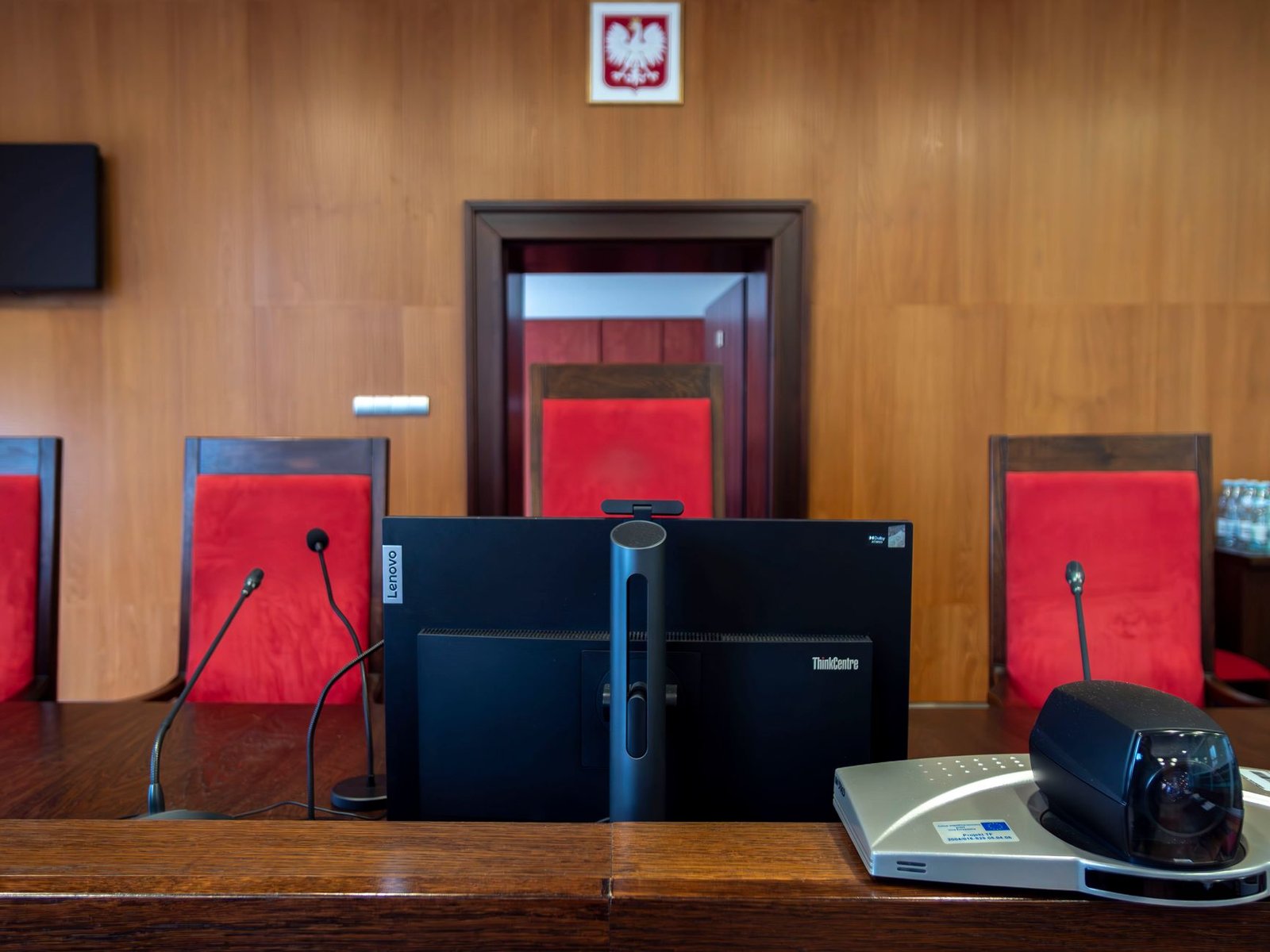
Imagine a tech giant in a courtroom battle, a saga filled with strategic maneuvers and formidable challenges. This is where we find T-Mobile, tactically shifting thousands of virtual machines and entangled in a legal dispute with Broadcom over VMware support—a tale ripe with complexities and potential breakthroughs.
Key Takeaways
- T-Mobile is embroiled in a lawsuit over Broadcom’s obligations regarding VMware’s perpetual licenses.
- The company is migrating tens of thousands of virtual machines off VMware to new platforms.
- The move involves transitioning over 1,000 applications, presenting considerable technical challenges.
- The decision underscores the strategic importance of flexibility in enterprise IT infrastructure.
- This case highlights the broader implications for businesses relying on cloud and virtualization technologies.
T-Mobile’s Bold Move: A Legal and Technical Odyssey
T-Mobile’s legal filing in New York is a powerful testament to the interplay between enterprise tech strategy and legal obligations. The crux of their argument? Broadcom, after its acquisition of VMware, allegedly failed in its duty to uphold ongoing support for existing VMware licenses. This perceived breach has led T-Mobile to embark on a massive migration project, pivoting away from VMware’s virtual ecosystem.
Decoding Virtual Machines and Their Role
Virtual machines (VMs) are essentially like having multiple computers running different operating systems within a single physical machine. Instead of buying new hardware, companies can use VMs to efficiently maximize existing resources. It’s like having several virtual offices inside a single, large headquarters. For a company the size of T-Mobile, managing 303,140 CPU cores means utilizing a vast array of VMs.
Navigating the Challenges of Migration
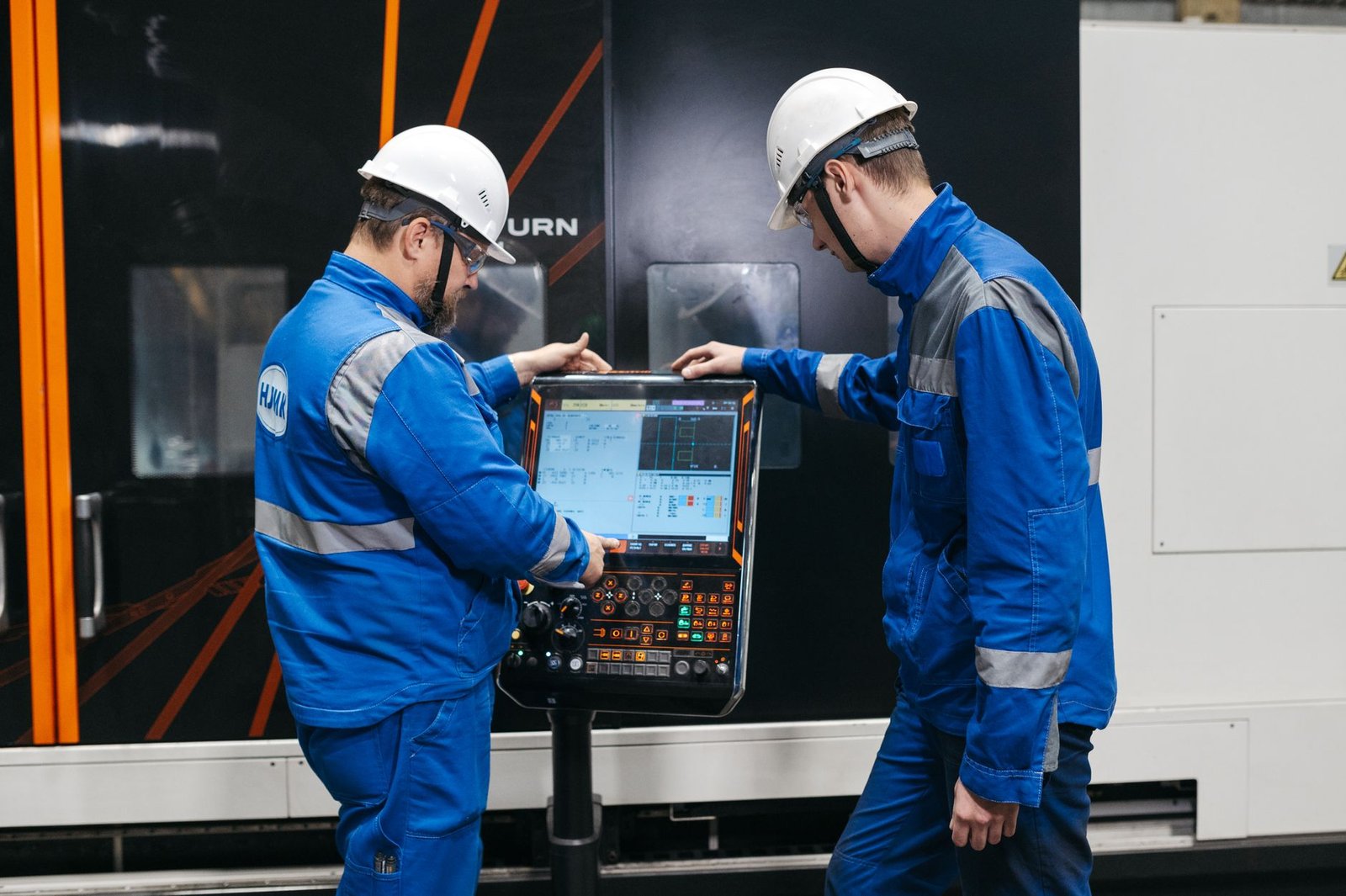
The transition away from VMware isn’t just a technical shuffle; it is a meticulous undertaking impacting over 1,000 applications. Each application requires careful consideration—ensuring compatibility, maintaining performance standards, and preserving data integrity. It’s akin to moving a vast library of books: each volume needs a new place on the shelf, but without losing its accessibility or damaging its contents.
Why It Matters: Enterprise Flexibility and Cloud Technology
T-Mobile’s decision signals a pivotal moment in enterprise IT philosophy. As businesses become increasingly dependent on cloud technologies, the need for flexibility and control over one’s technological landscape grows paramount. By stepping away from VMware, T-Mobile aims to reclaim autonomy and ensure its infrastructure can swiftly adapt to future needs.
The Broad View: Implications for AI and Beyond
This case is more than just a legal skirmish; it’s reflective of larger trends in the industry. Companies are recognizing the value of agnostic IT solutions—systems that aren’t tightly bound to a single vendor. This allows for greater agility, especially in fast-evolving fields like AI, where the ability to pivot to newer, more efficient technologies can offer a significant competitive edge.
Gazing into the Future: The Path Ahead for AI Enterprises
As T-Mobile’s case unfolds, it’s likely to influence how companies strategize their tech infrastructure. The outcome could drive a shift towards more adaptable, vendor-neutral frameworks that foster innovation. For AI enterprises, the lesson is clear: the future belongs to those who not only adapt to current technologies but anticipate and prepare for the breakthroughs of tomorrow. Ensuring agility today will pave the way for unlocking the full potential of artificial intelligence.
