


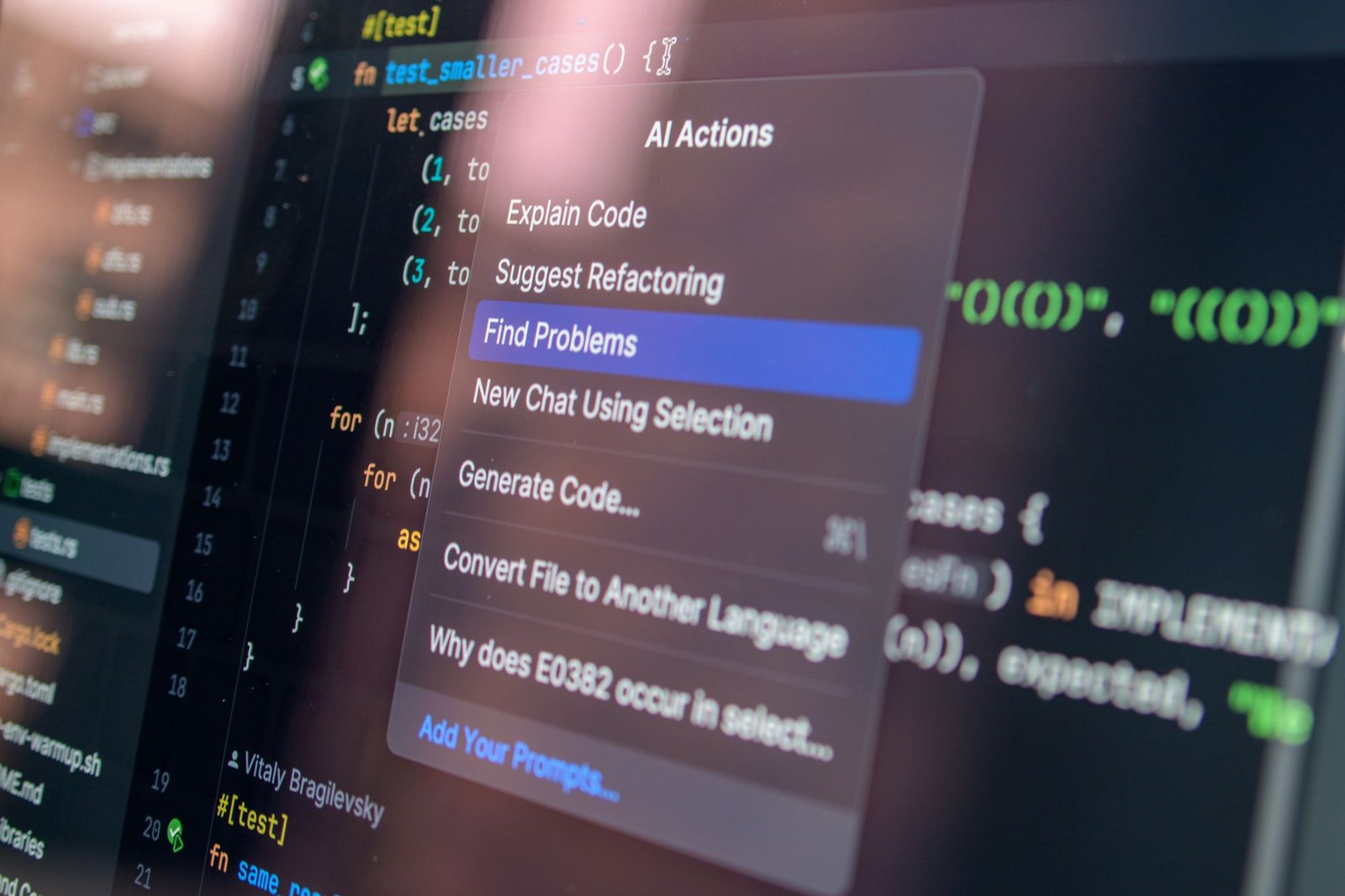
The world of AI coding tools is undergoing a seismic shift, and it’s not just about what’s technologically possible, but also about what’s financially accessible. The emergence of free tools like Goose challenges expensive alternatives like Claude Code, sending ripples through the developer community.

- AI coding tools are evolving towards more affordable, open-source solutions.
- Goose, a free tool, offers similar functionality to costly platforms like Claude Code.
- Developers gain more control and privacy with local, open-source models.
- The future of AI tools may favor flexibility and cost-effectiveness over exclusive features.
Understanding the Claude Code Conviction
Claude Code, from Anthropic, has taken the coding world by storm thanks to its autonomous capabilities that write, debug, and deploy code. Yet, its hefty pricing—ranging from $20 to $200 monthly—has prompted developers to search for more viable options. Developers face strict limits on usage, turning productive sessions into arduous budgeting exercises.
The Rise of Goose: A Feather in the Cap for Developers
Let’s imagine you’re a chef who gets all your ingredients delivered from a premium service, but it comes with endless conditions and costs. Now, a local farmers’ market opens up near you, allowing you to pick the same quality produce freely and with no strings attached. This is exactly what Goose offers developers—an open-source, no-cost alternative to Claude Code. Developed by Block, Goose operates entirely on a user’s local machine, leaving behind the baggage of cloud dependencies and subscription fees.
How Goose Works: Decentralized and Developer-Centric
Goose operates by downloading language models directly to your hardware, providing the freedom to use it anywhere. It’s like having your AI coding partner on a portable drive, accessible without the need for internet connectivity. A core benefit here is privacy—your data stays put.
Setting Up Goose: Simple Steps for Big Rewards
Installing Goose is straightforward. First, download a compatible language model using Ollama, a tool that enables running large language models on personal hardware. Next, set up Goose either as a desktop app or command-line interface. A minimal setup can quickly evolve into a powerhouse of coding capabilities without incurring any costs.
The Technical Trade-Offs and Benefits
Despite its promise, using Goose requires considering hardware capabilities. Running powerful AI models locally hinges on having substantial RAM, about 32 GB for a smooth experience with the more complex models. This is akin to making sure your car has enough horsepower to traverse steep hills without stalling.
Direct Comparisons: Claude Code vs. Goose
The advantages of Goose do not undermine its challenges. While it saves costs, its model quality, speed, and tooling maturity still lag behind Claude Code. However, for developers keen on preserving freedom and running operations at zero cost, Goose presents an increasingly appealing alternative.
The Dawn of a More Open AI Future
The existence of tools like Goose signals a significant shift in the AI landscape, where open-source and free access are increasingly valued. As the technology matures, developers may no longer need to choose between quality and affordability. This evolving ecosystem suggests a future where innovation isn’t just limited to those who can pay but is accessible to all who dare to dream and build.
