



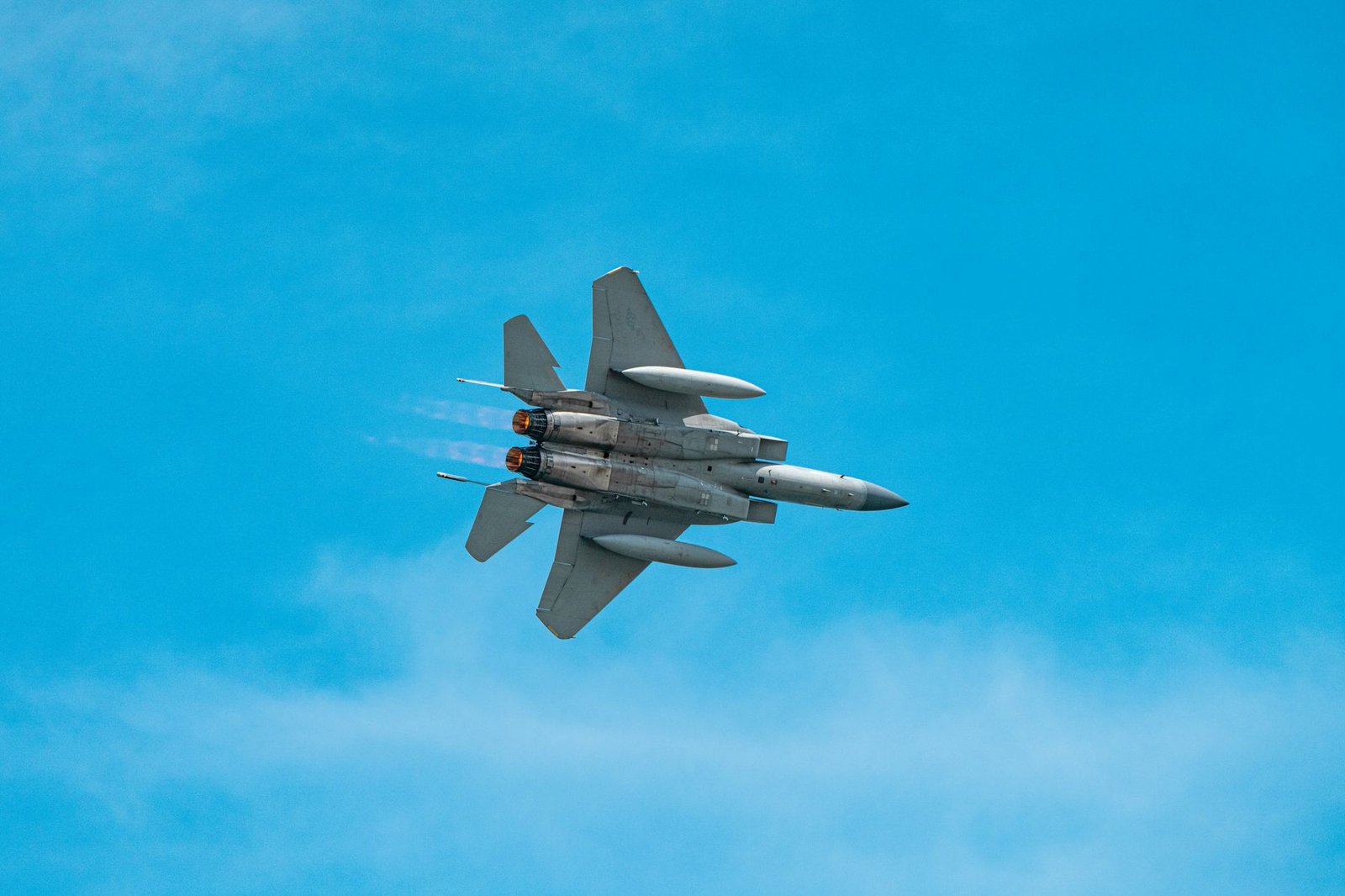
Imagine cutting transcontinental flight times nearly in half while comfortably cruising in an ultrafast jet without the jarring sound of a sonic boom disrupting those on the ground. This vision inches closer to reality as the **Federal Aviation Administration (FAA)** proposes lifting the decades-long ban on **supersonic flights over the U.S.**, provided they ensure minimal noise disturbance.

Key Takeaways
- The FAA plans to overturn the ban on commercial supersonic flights over land.
- New regulations focus on reducing the noise impact of sonic booms.
- The ban has been in place since 1973 due to noise concerns.
- Companies like Boom Supersonic are pioneering quiet supersonic technologies.
- The move could revolutionize air travel and speed.
The Supersonic Saga
Back in 1973, the FAA banned overland **supersonic flights** for civil aircraft after sonic booms, the loud noises created when an aircraft exceeds the speed of sound, drew public ire during military tests. These tests, involving American cities like Oklahoma City, Chicago, and St. Louis, were notorious for their disruptive sounds, prompting a nationwide prohibition as public audibility and annoyance soared.
From Boom to Whisper
With technology continually evolving, the Trump administration recognized the potential for modern **aerospace innovations** to mitigate the noise of sonic booms, setting the stage for reconsidering the long-standing ban. This paved the way for a new **rulemaking action** by the FAA, poised to replace the rigid prohibition with a more flexible, **noise-based certification** system.
The proposed regulation emphasizes curbing ground-level impacts by requiring any surface sonic boom overpressure to remain below 0.11 pounds per square foot. This threshold arises from innovative tests conducted by Boom Supersonic, a Colorado-based startup at the forefront of developing **quiet supersonic technology**. Their experimental aircraft, the XB-1, effectively demonstrates how strategic alterations in altitude and atmospheric conditions can redirect shockwaves upward, reducing the chances of a sonic boom being heard on the ground.
Boom Supersonic: Leading the Charge
To grasp this innovation better, consider the analogy of a swimmer cutting through a pool. If the swimmer maintains the right depth and angle, waves generated by their speed disperse harmlessly back into the pool rather than splashing out onto the deck. In a similar vein, Boom Supersonic’s approach manipulates environmental conditions to ensure the shockwaves refract upward, virtually silencing the boom.
Implications for Aviation
Should this proposal go into effect on June 30, 2026, as anticipated, it could herald a new era in aviation. Supersonic jets may soon transform long-haul air travel, diminishing flight durations drastically without leaving a noisy environmental footprint. This initiative doesn’t merely promise quicker journeys but fosters an eco-conscious aviation industry where **noise pollution** becomes a relic of the past.
Looking Ahead: What Does This Mean for AI?
As we peer into the horizon of **supersonic travel**, the role of **Artificial Intelligence (AI)** in optimizing flight efficiency, safety, and environmental compliance cannot be overstated. AI’s prowess in analyzing vast datasets and simulating complex scenarios could be pivotal in refining flight paths, predicting sound diffusion patterns, and ensuring adherence to stringent noise standards. With AI’s rapid integration into aerospace, the future of air travel holds the promise of seamless, quieter flights, marking a leap towards smarter skies.
