


Imagine earning some extra cash just by hosting a piece of high-tech equipment in your own home. This futuristic idea isn’t from a sci-fi movie; it’s a pilot program being rolled out by Sunrun, a leader in solar and home energy storage. The company is venturing into the realm of AI data centers with a unique approach that involves using personal homes as mini data hubs. Intrigued? Let’s delve deeper into how this innovative concept could reshape both AI computing and renewable energy usage.
Key Takeaways
- Sunrun introduces a pilot program for **distributed AI compute** using residential homes.
- Homeowners with Sunrun solar and battery systems can earn money by hosting compute units.
- The idea leverages unused home space to meet the increasing demand for AI computing power.
- Sunrun will sell the distributed compute power to enterprise buyers, such as AI companies.
- This initiative could revolutionize both renewable energy utilization and AI infrastructure.
Understanding the Concept of Distributed AI Compute
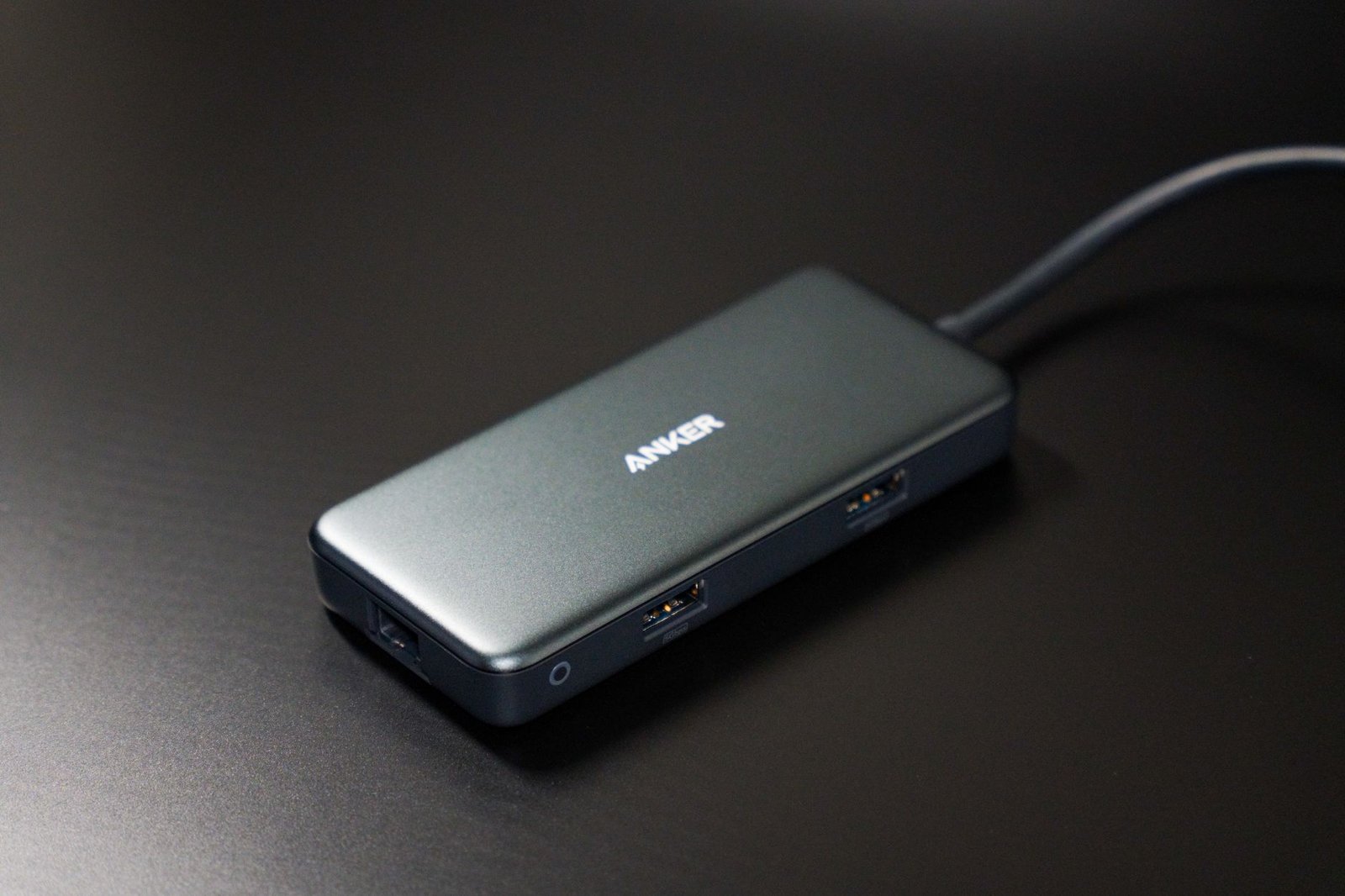
Sunrun’s new program is grounded in a concept known as **distributed AI compute**. In simple terms, it’s about spreading out the workload of AI computations across multiple locations instead of relying on a single, massive data center. This concept becomes a reality by installing **compute nodes**—compact, powerful computing units—in homes equipped with solar panels and battery systems. These nodes contribute collectively to a larger computing grid. When combined, they offer the computational power needed to process large volumes of data, essential for driving technologies like machine learning and predictive analytics.
Why Use Homes for AI Computing?
The vast amounts of data required by AI applications necessitate extensive computational resources, which are traditionally housed in large data centers. However, these centers consume significant energy and require space. By utilizing residential homes equipped with renewable energy systems, Sunrun seeks to mitigate these challenges. This model not only alleviates the space issue but also taps into environmentally friendly energy sources, aligning with global sustainability goals.
A Paradigm Shift: Homeowners as Part of a Data Center
Consider the shared economy model most people are familiar with—like renting out a spare room on platforms such as Airbnb. Sunrun’s initiative flips this concept; instead of people staying in your home, your home’s energy capabilities and space are used for computing tasks. A practical analogy may be how individuals lease their vehicles for delivery services. Here, homeowners become stakeholders in a distributed computing network, earning compensation for permitting these high-tech installations.
The Economic Upside for Participants
Participants in this program are set to benefit financially. Sunrun offers compensation, creating an additional revenue stream for homeowners. This is particularly appealing for individuals already investing in solar and battery storage systems. Now, these households can further capitalize on their initial investments, making renewable energy adoption more attractive and economically viable.
The Future of AI and Renewable Energy
This initiative by Sunrun is more than an experiment; it’s a glimpse into the future of both **AI computing** and **renewable energy consumption**. As more companies and homeowners embrace distributed computing models, we could witness a significant shift in how data is processed and stored globally. Not only does this approach distribute the environmental footprint, but it also democratizes technological infrastructure, making participation in the AI revolution accessible to everyday citizens.
Looking ahead, the potential for growth in this sector is immense. As AI becomes increasingly integrated into our daily lives, the demand for space and computing power will soar. By leveraging underutilized home resources, we may find a sustainable path forward that efficiently meets these burgeoning requirements. This bold strategy by Sunrun could pave the way for a more distributed, resilient, and eco-friendly AI infrastructure, showcasing a model where innovation and sustainability go hand in hand.
