



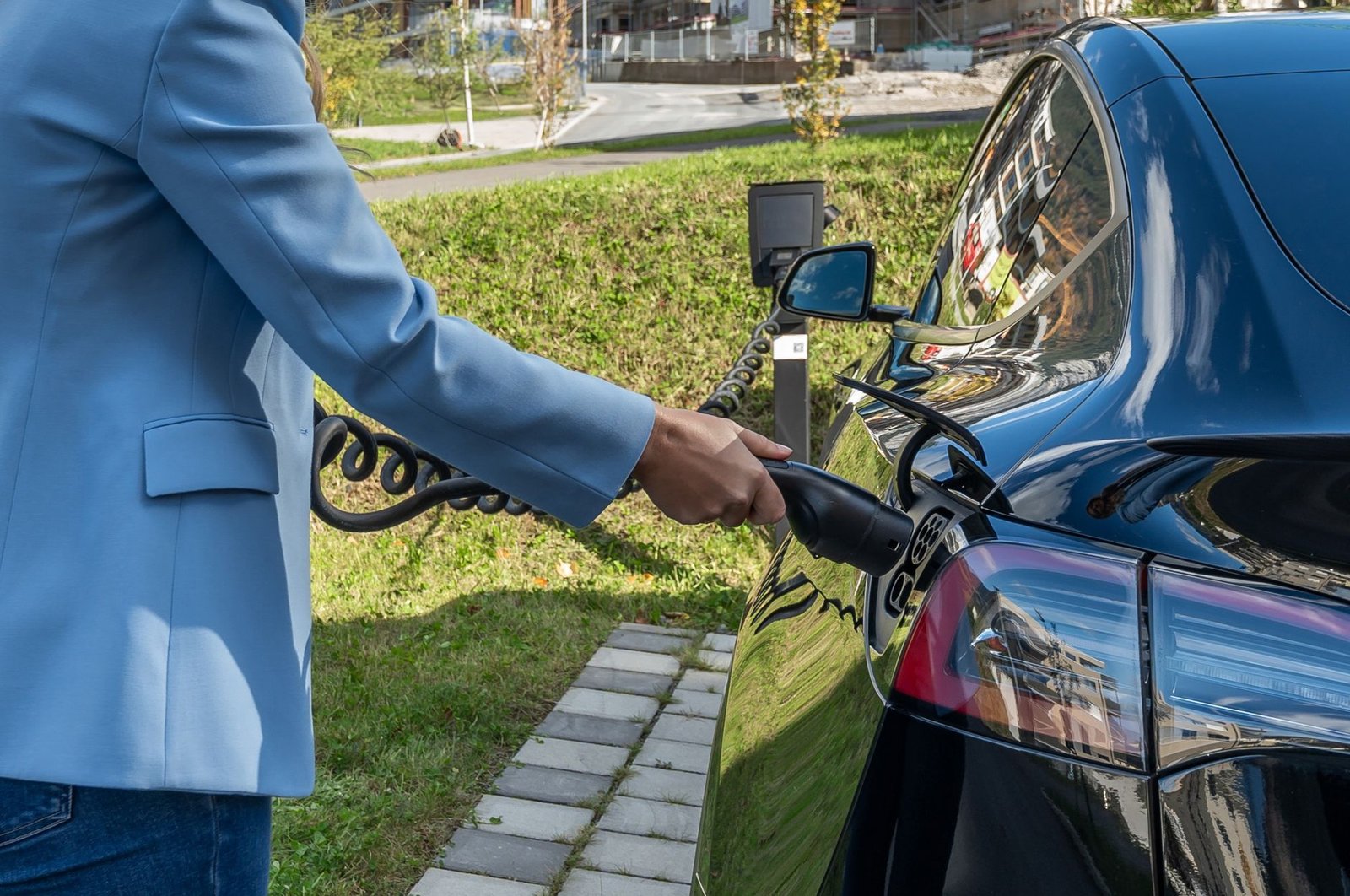
Imagine a world where switching from gas-guzzlers to eco-friendly vehicles comes with a significant financial boost. For Californians, this scenario is closer to reality than for most Americans. With Governor Gavin Newsom’s new rebate plan, the electric vehicle landscape in California is about to get a positive charge.
Key Takeaways
- California introduces a $3,500 rebate for electric vehicle (EV) buyers.
- This initiative aims to revive EV sales after federal incentives were reduced.
- Rebates are part of California’s broader commitment to environmental sustainability.
- Potential ripple effects could influence national energy policies.
- The initiative may accelerate technological advancements in EVs.
The Decline of Federal Incentives
Last fall, the direction of electric vehicle adoption in the United States took an unexpected turn. The IRS clean vehicle tax credit, which provided a significant incentive for EV buyers, was rescinded. Initially, this credit allowed consumers to receive up to $7,500 back on vehicles that met particular criteria, such as a price ceiling and buyer income limits.
Why California Stands Out
California’s unique approach stems from its proactive stance on environmental issues. Unlike other states, California has doubled down on advancing green technologies through financial incentives. Active support from state leadership ensures that even as federal efforts wane, the Golden State continues to drive toward energy efficiency.
By introducing a new $3,500 rebate, Governor Newsom aims to rejuvenate the electric vehicle market and solidify California’s role as a frontrunner in clean energy initiatives. This rebate provides residents with a tangible reason to reconsider their vehicle options, attempting to reverse the declining trend in EV purchases across the nation.
How Rebate Programs Work
Rebate programs reduce the upfront cost of purchasing new products—in this case, electric vehicles. When a consumer buys an EV, they can subsequently apply for a rebate through a simple application process, effectively lowering their out-of-pocket expenses by the rebate amount.
Tangible Impact
Picture this: You’re in the market for a new car. The choice between a traditional internal combustion engine vehicle and an EV might hinge on financial factors. A $3,500 rebate makes the eco-friendly choice not only the right thing for the planet but also a much more affordable investment.
Environmental and Economic Benefits
This state-level strategy isn’t just about encouraging greener choices for individual consumers. It represents a broader vision to stimulate the economy through new job opportunities in the green tech sector, ranging from EV manufacturing to charging infrastructure development.
Reducing emissions has tangible effects on public health and global climate change, contributing to cleaner air and a more stable environment. California’s dedication to sustainability and innovation can be a model for other states considering similar measures.
Looking Towards Tomorrow
California’s EV rebate initiative sets a precedent that other states—and perhaps eventually the federal government—might follow. With advancements in battery technology and charging infrastructure, the potential for electric vehicles to dominate the automotive market appears increasingly viable.
This progressive policy lays the groundwork for a future where green energy solutions become mainstream, complementing advancements in artificial intelligence that optimize energy efficiency, traffic management, and smart city designs. Such transformations hold the promise of a tomorrow where technology and sustainability go hand-in-hand, paving the way for a more sustainable and innovative world.
