



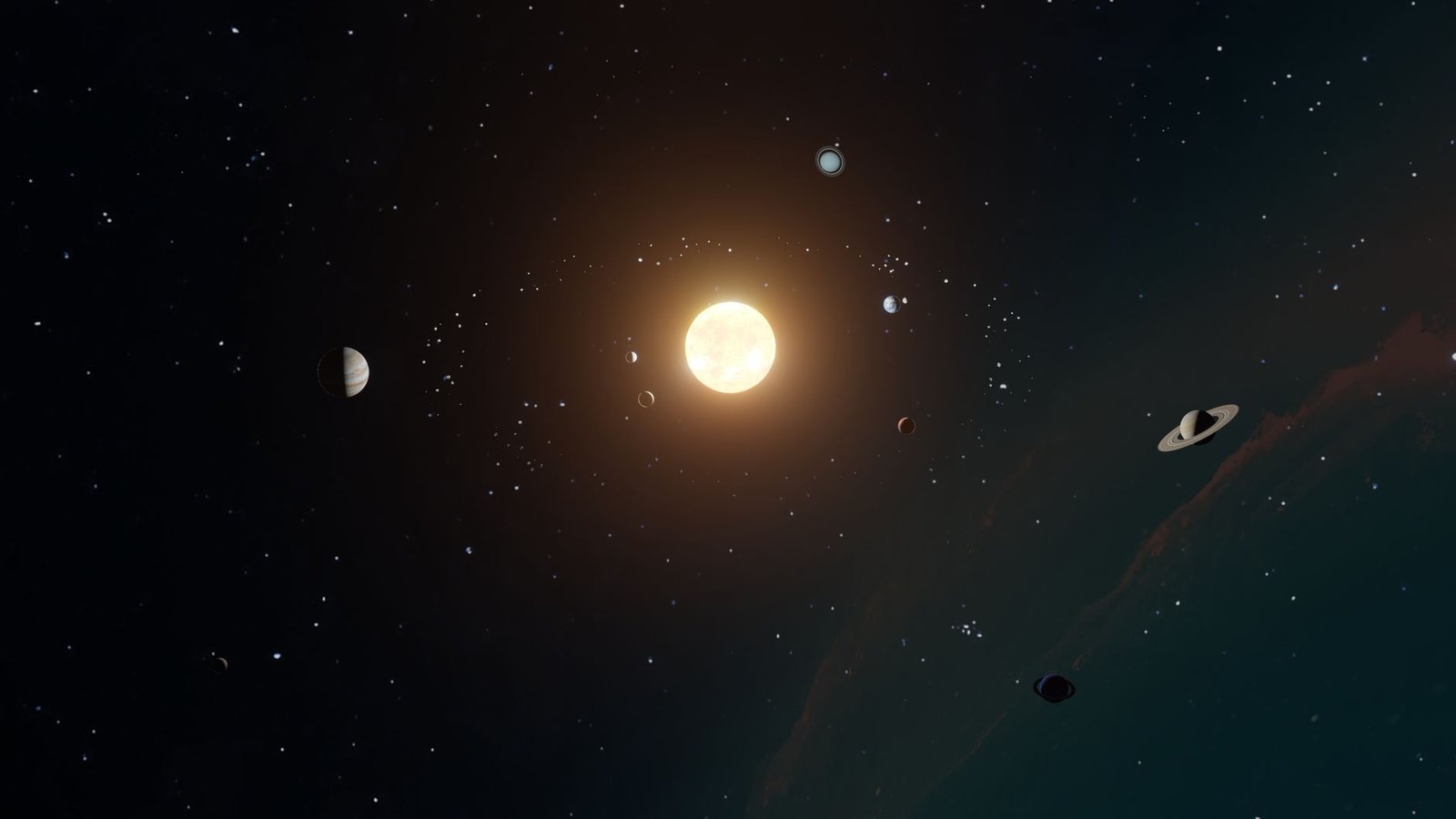
A remarkable discovery in the cosmos is challenging our understanding of planetary survival. **WD 1856 b**, a planet nearly the size of Jupiter, orbits a white dwarf, defying expectations by enduring the fiery demise of its parent star. Let’s uncover how this celestial survivor is reshaping our view of planetary evolution.
Key Takeaways
- WD 1856 b is an extraordinary planet that withstood its star’s death.
- White dwarfs are remnants of sun-like stars that have exhausted their fuel.
- The James Webb Space Telescope offers unprecedented insights into such systems.
- The discovery was initially accidental, expanding our cosmic understanding.
- This event opens new discussions on planetary formation and lifecycle.
The Unlikely Survival of WD 1856 b
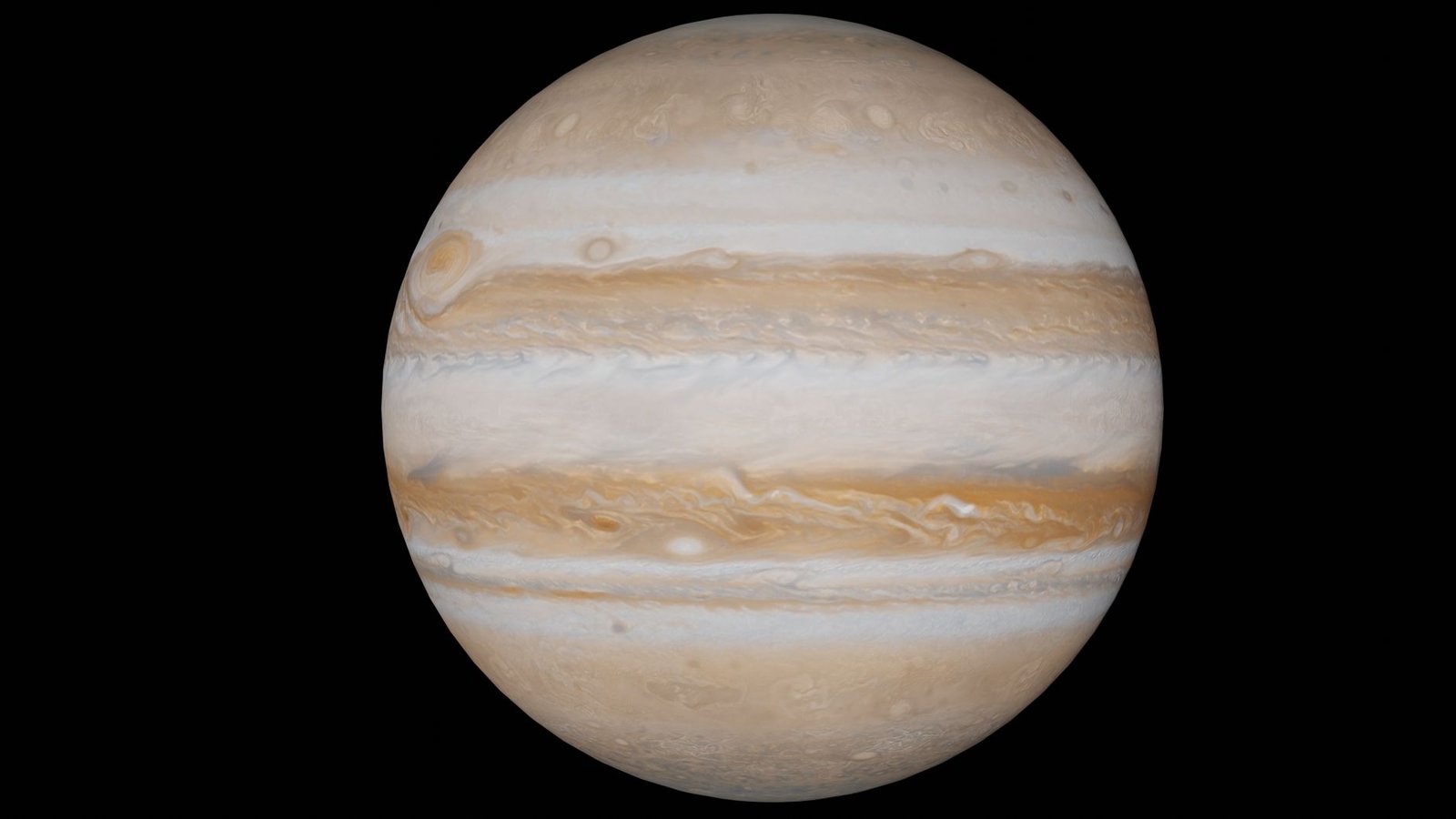
Imagine finding a solitary survivor in a system where destruction was inevitable. That’s precisely what happened with the discovery of **WD 1856 b**, a planet resembling Jupiter in size, circling a **white dwarf**—what remains when a star similar to our Sun exhausts its nuclear fuel and collapses, shedding its outer layers. This dead star remnant is roughly the size of Earth but dense, primarily made up of **carbon and oxygen**.
Unveiling the Discovery
The planet was stumbled upon by astronomers utilizing the powerful **James Webb Space Telescope**. They initially directed their instruments toward about 2,000 known white dwarf stars, seeking smaller celestial objects like comets or asteroids transiting these stars. What they found was far more compelling—a giant gas planet, unexpectedly intact, in orbit around one of these stellar remnants.
Astronomers’ Reactions and Findings
Stunned by this revelation, scientists like **Christopher O’Connor**, a leading theoretical astrophysicist from Cornell University, expressed amazement. “As soon as they looked at it, they said, okay, that’s weird,” he noted regarding the discovery of WD 1856 b. This finding, as discussed in a recent study published in Nature, has captivated the astronomical community by challenging our preconceptions about planetary survival and dynamics.
The Fascination of White Dwarfs
To grasp the significance of WD 1856 b’s survival, it’s helpful to understand what a **white dwarf** truly is. Consider a white dwarf as the ultimate fate of average stars—after a star expands into a red giant, it ejects its outer layers and what’s left collapses into a denser core no larger than Earth, yet with mass comparable to the Sun. This transition represents an ultimate cosmic evolution, typically unforgiving to any close-orbiting planets.
A New Frontier in Cosmic Study
The unexpected presence of a planet like WD 1856 b in a white dwarf system prompts thrilling inquiries into how planets might migrate or adapt in response to their stars’ life cycles. Think of our solar system’s potential future—this discovery raises questions about the possible fates of planets like Jupiter and even Earth, when our Sun eventually embraces its elder phase.
Looking to the Future
This discovery thrusts us into new possibilities for studying **planetary dynamics and survival**—questions that will be crucial in understanding not just white dwarf systems, but potentially our own solar neighborhood’s distant future. As AI technology in astronomy advances, we’re poised to unravel even more puzzles of the universe, transforming mysterious cosmic events into known phenomena.
