



Imagine a world where a complex algorithm decides the fate of your job without fully understanding your situation. This is the troubling scenario at the heart of a new controversy involving **Meta** and its use of AI in making layoff decisions.

Key Takeaways
- Former Meta employees claim AI tools unjustly targeted workers on leave for layoffs.
- The lawsuit alleges a bias in the AI’s decision-making algorithm against those on parental or medical leave.
- AI’s role in human resource decisions raises concerns about fairness and transparency.
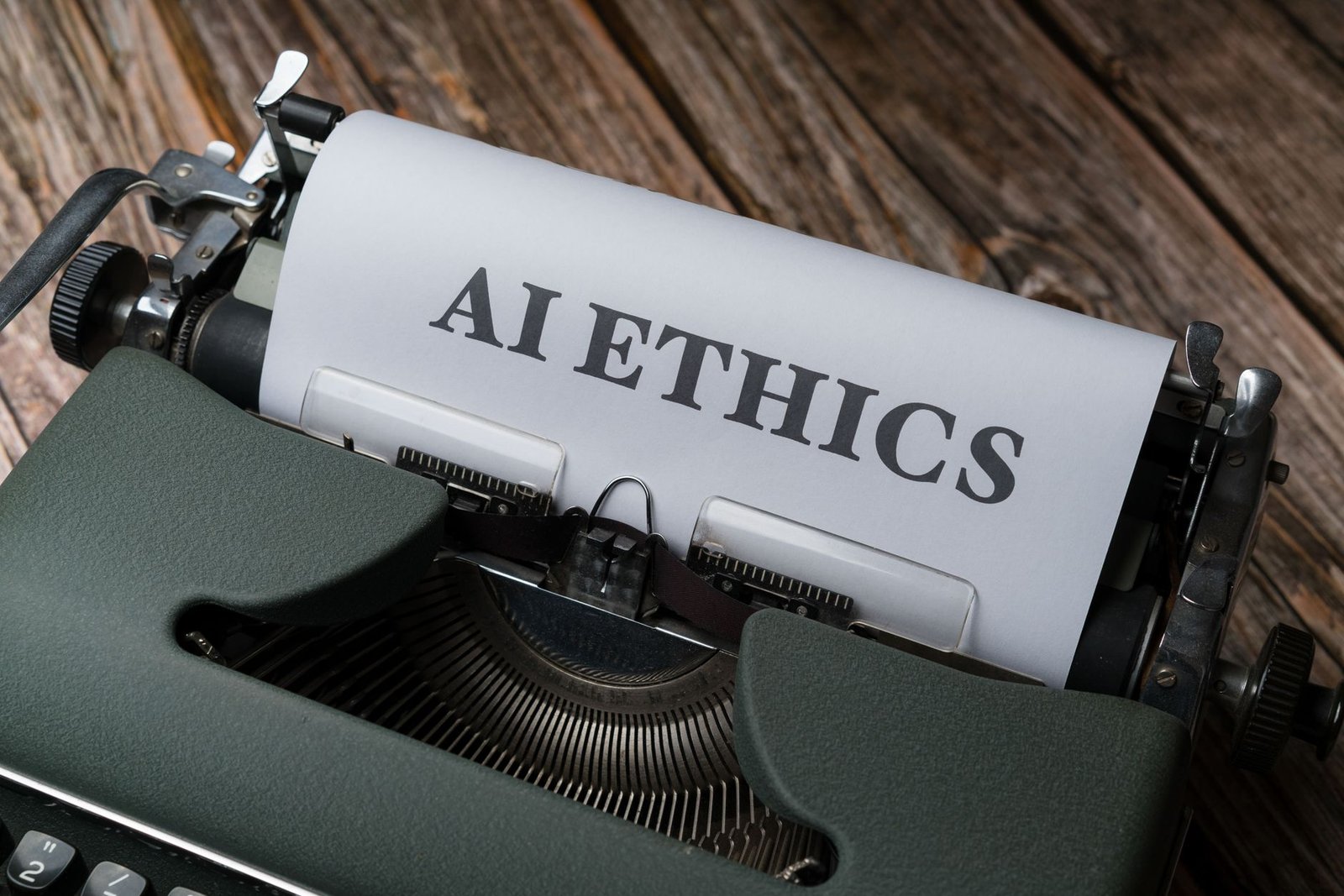
- The case highlights the need for more ethical considerations in AI deployment.
- Understanding how AI processes data is crucial for companies to avoid legal pitfalls.
AI and Job Security: A Double-Edged Sword?
The promise of **artificial intelligence** in the workplace is its ability to streamline operations by analyzing large sets of data to make faster, more objective decisions. However, when AI is leveraged for tasks like employee assessments, it begs a critical question: how objective is it really? In the recent lawsuit filed by 26 ex-Meta employees, these individuals assert that the company’s AI tools actively worked against them during **layoff** processes.
The Allegations Against Meta
According to the plaintiffs, Meta employed a series of internal AI tools—described as a “constellation”—to aggregate performance data. However, these tools allegedly failed to exempt employees on **protected leave** such as parental or medical leave from the ranking system. As a result, individuals taking such leaves were disproportionately targeted for layoffs. This oversight seemingly allowed the algorithm to inadvertently penalize employees exercising their rights to time off.
The Nuts and Bolts of AI-Driven Decision Making
In simple terms, AI can be thought of as a super-efficient librarian who can sort through overwhelming amounts of information quickly and suggest the most “valuable” to you. This is done via algorithms, which are sets of rules or instructions that AI follows to complete tasks. However, much like a librarian might inadvertently overlook a book due to biases embedded in their organizational system, an AI can also produce biased outcomes if the data it analyzes isn’t managed correctly.
When Algorithms Go Awry
A real-world analogy can help illustrate this: imagine a decorative tree in front of your favorite coffee shop. If an app pinpoints trees as obstructions merely due to their placement, it might suggest chopping them down, ignoring the value they add to aesthetics and shade. Similarly, if AI tools at Meta did not include parameters to account for protected leaves, vital aspects of an employee’s circumstances might have been overlooked.
The Path Forward: AI and Ethical Responsibility
As companies like Meta grapple with the integration of AI into their workforce strategies, it is essential to place a strong emphasis on **ethical guidelines** and robust oversight. AI holds the potential to innovate at unprecedented levels within organizations, but it must be tempered with human values and regulatory frameworks that ensure fair treatment for everyone involved.
In the grand scheme of AI development, this lawsuit serves as a crucial reminder: technology is powerful, and with that power comes significant responsibility. Looking ahead, businesses and developers alike must strive to create more refined AI systems that are inclusive, ethical, and transparent. As AI becomes more ingrained in daily corporate processes, the focus should not only be on efficiency but also on maintaining a balanced, **humane approach** to machine-driven decision-making.
