



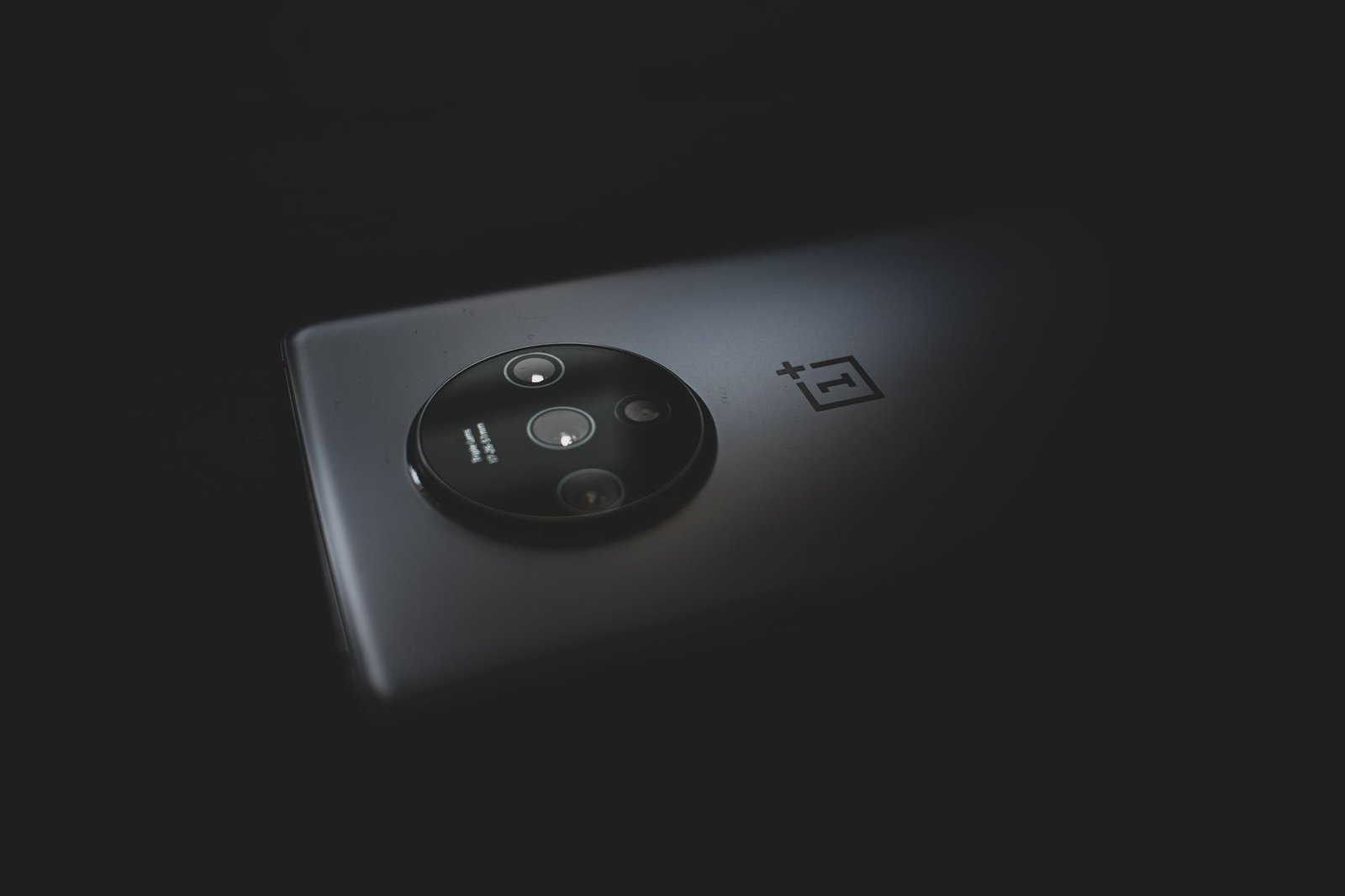
In an ever-evolving tech landscape where change is the only constant, OnePlus has announced a significant pivot that marks the end of their journey in the U.S. and European markets. This decision comes after much speculation and strategic shifts, signaling a new era for a brand once hailed as a disruptor.
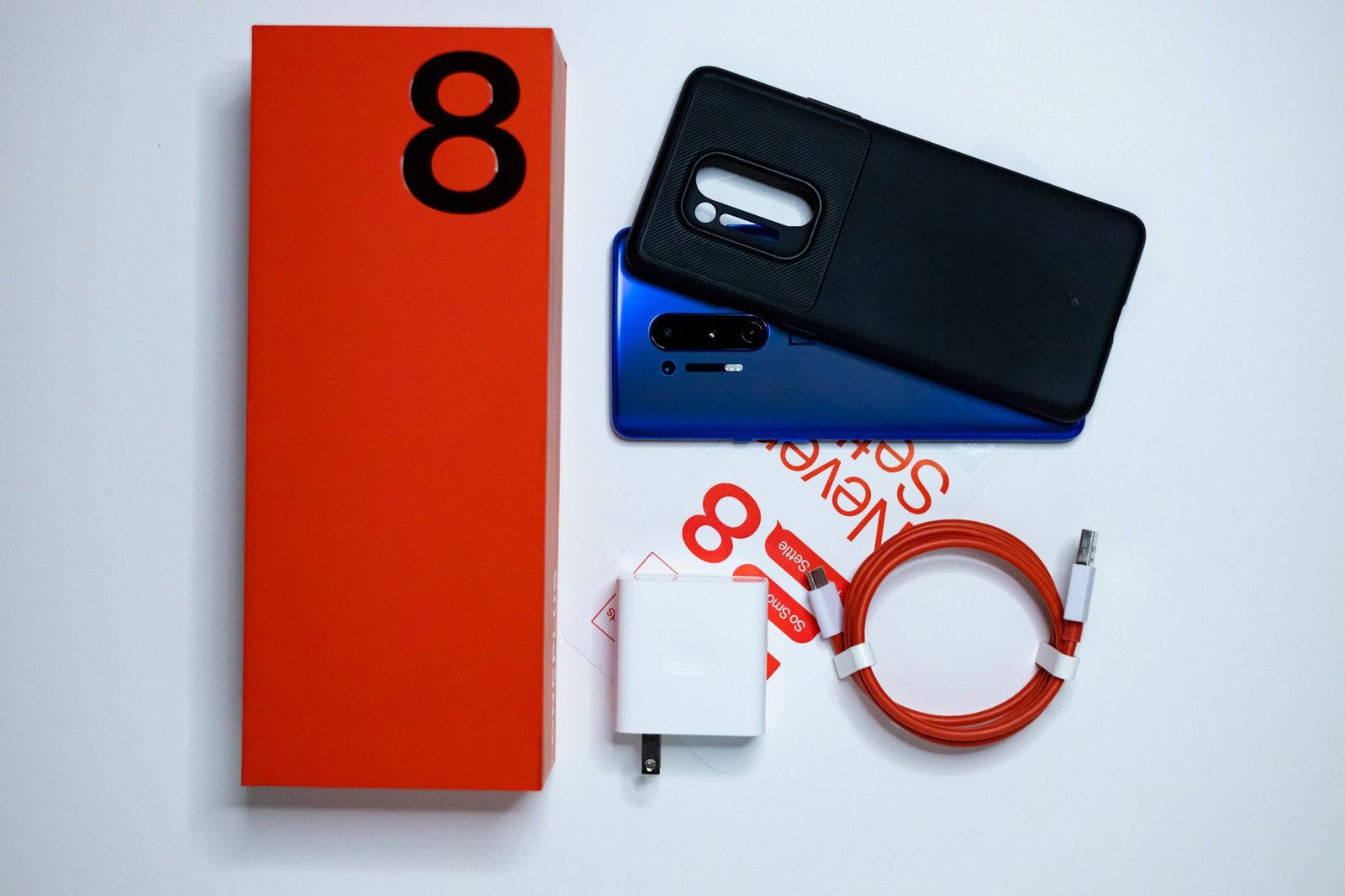
Key Takeaways
- OnePlus is exiting the North American and European smartphone markets.
- The brand’s strategic focus is shifting heavily towards India.
- OnePlus has been aligning more closely with its parent company, Oppo.
- This move follows integration of resources and strategies within the larger Oppo ecosystem.
A Decade of Disruption
When **OnePlus** burst onto the scene in 2014, it presented an audacious challenge to the smartphone giants. Offering devices that were both **affordable** and **high-performance**, it quickly captured the imagination of tech enthusiasts worldwide. Their approach was bold: deliver flagship-level specifications at a fraction of the price—a strategy that resonated with a wide audience seeking quality without breaking the bank.
The Shifting Terrain
Fast forward to today, the **smartphone market** is a vastly different battlefield. With increased competition and evolving consumer preferences, OnePlus has had to navigate treacherous waters. The pivot towards India, spurred by the brand’s strategic recalibration during and after the global pandemic, highlights this shift in focus. India remains one of the most fertile grounds for smartphone growth, providing opportunities that align with OnePlus’s aim to dominate developing markets.
A New Alignment with Oppo
While OnePlus initially operated with a sense of independence, it has increasingly become intertwined with the larger **Oppo** brand. This integration has resulted in a more **unified device and software experience**, allowing both brands to leverage shared resources efficiently. Think of it as two siblings who figure out they are stronger together, pooling strengths to create a better outcome. This cooperative strategy is evident in the launch schedules and product specifications that have more closely mirrored each other over recent years.
The Final Flagship
Despite pulling away from U.S. and European markets, OnePlus delivered the **OnePlus 15**, which continues to embody the brand’s commitment to quality. But as the product rolls out its final flagship in these regions, end-users are left to ponder the legacy OnePlus leaves behind. It was a decade of pushing boundaries, redefining expectations, and inspiring other brands to step up their game.
Looking Beyond the Horizon
So, what does this mean for the future? For OnePlus, it’s a chance to double down on markets with substantial growth potential. For the tech industry, this marks a significant transformation in how brands need to continuously adapt to survive. **Artificial Intelligence (AI)** can be seen here as a pivotal tool, wherein brands like OnePlus might harness advanced AI analytics to predict market trends and develop strategies tailored to specific regions. Much like a chess player looking multiple moves ahead, AI enables companies to foresee challenges and recalibrate in real-time.
The move by OnePlus might also spark further innovation as companies push to fill the void in established markets. In the long term, this shift could advance the development of cutting-edge technology and applications, ultimately benefiting users worldwide.
As we move forward, the influence of AI on such strategic decisions will become ever more pronounced. Brands able to adapt and integrate advanced technologies will not only survive but thrive, setting new benchmarks for innovation and customer engagement. The landscape is set to change once again, and those ready to embrace such shifts will lead the charge into the next great era of technology.
